
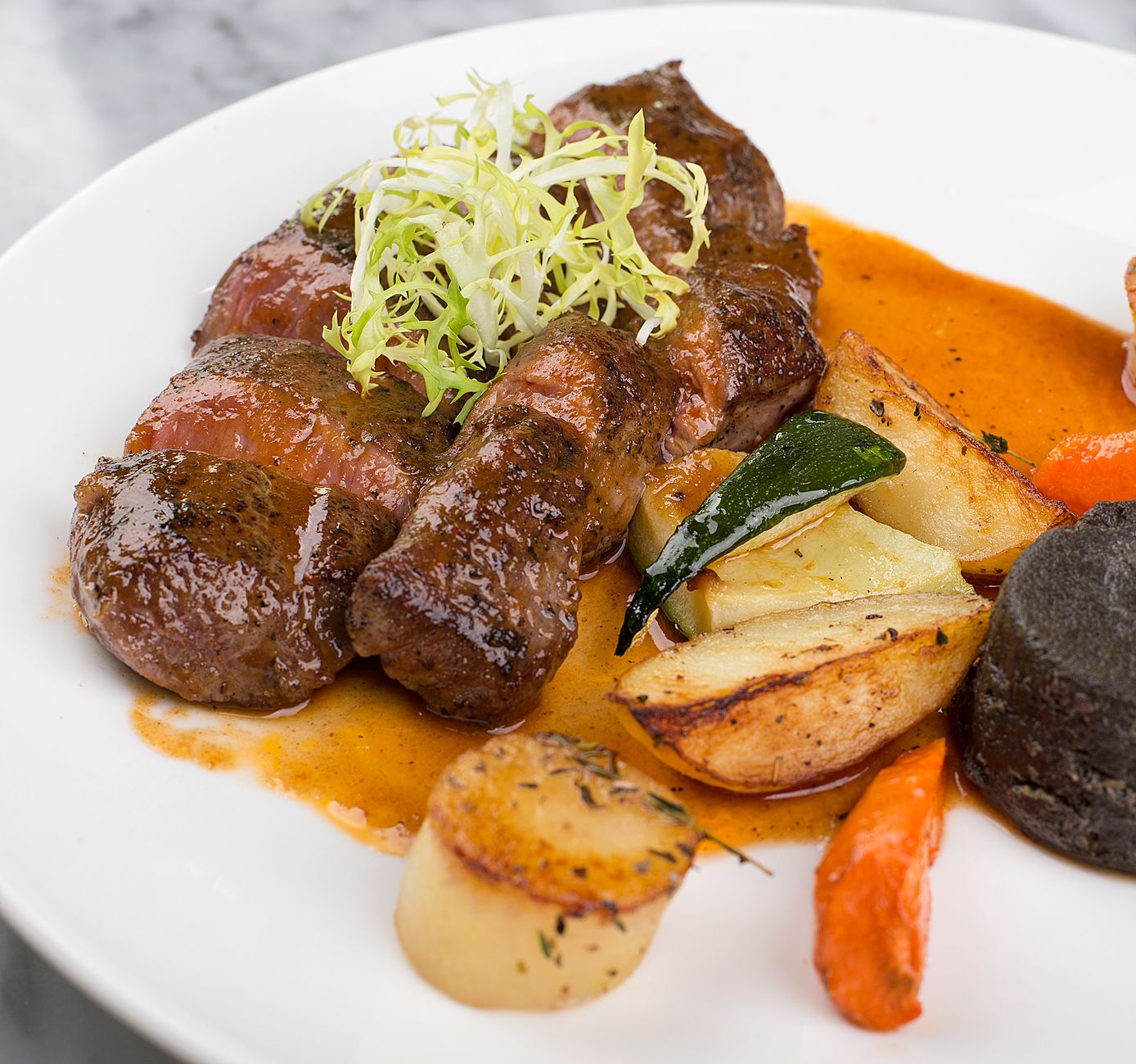
Pot roast is a classic, comforting dish that is beloved for its flavors and tender texture. Whether served with vegetables or over mashed potatoes, it’s a meal that can feed a crowd, making it perfect for family gatherings and special occasions. But what happens when you have leftovers or want to prepare it in advance? Can you freeze pot roast?
The good news is that yes, you can freeze pot roast! Freezing it can help save time and reduce food waste, allowing you to enjoy this hearty dish later. In this guide, we will explore the best practices for freezing, thawing, and storing pot roast to ensure it retains its delicious flavor and texture when reheated.
Can You Freeze Pot Roast?
Yes, you can freeze pot roast. When properly frozen, pot roast can be stored for several months without losing its flavor or tenderness. The key to successful freezing lies in how the pot roast is prepared, cooled, and stored. With the right methods, you can enjoy your pot roast even weeks after you’ve made it.
Preparing Pot Roast for Freezing
When preparing pot roast for freezing, there are a few essential steps to follow that will help maintain its quality.
1. Cook the Pot Roast
- Start with a well-seasoned pot roast. Choose a cut of meat that is suitable for slow cooking, such as chuck roast, brisket, or round.
- Cook the pot roast according to your preferred recipe. This could involve searing the meat, sautéing vegetables, and then slow-cooking everything until the meat is tender.
2. Cool the Pot Roast
Once cooked, allow the pot roast to cool. Cooling is essential to prevent condensation from forming inside the storage container, which can lead to freezer burn.
- Let the pot roast sit at room temperature for about 30 minutes after cooking.
- If desired, you can cut the pot roast into portions to speed up the cooling process. However, it’s best to keep the meat in larger pieces for better retention of moisture.
3. Prepare for Freezing
After the pot roast has cooled, it’s time to package it for freezing appropriately.
- Wrap the pot roast tightly in plastic wrap or aluminum foil. This adds an extra layer of protection against freezer burn.
- Place the wrapped pot roast in a freezer-safe container or a heavy-duty freezer bag. Squeeze out as much air as possible to minimize exposure to air.
- If you have gravy or juices, consider freezing them separately in small containers.
- Label the container with the date and contents to keep track of how long it has been frozen.
Freezing Pot Roast: Tips and Best Practices
To ensure the best quality when freezing pot roast, consider the following tips:
- Freeze pot roast within 2 to 3 days of cooking. This will help preserve its flavor and texture.
- For best results, consume frozen pot roast within 2 to 3 months. While it may remain safe to eat beyond this period, the quality may decline.
- If you know you’ll be freezing leftovers, it may be beneficial to undercook the pot roast slightly, as reheating can further cook it.
Thawing Pot Roast
Thawing pot roast can be done safely in several ways, but it’s essential to follow proper guidelines to prevent bacteria growth. Here are the best practices for thawing pot roast.
1. Refrigerator Thawing
The safest way to thaw pot roast is in the refrigerator. This method may take longer but is the most reliable for maintaining quality.
- Transfer the frozen pot roast to the refrigerator 24 hours before you plan to use it.
- Once thawed, the pot roast should be consumed within 3 to 4 days.
2. Cold Water Thawing
If you need to thaw pot roast quickly, the cold water method is an effective option.
- Ensure the pot roast is wrapped securely to prevent water from entering.
- Submerge the wrapped pot roast in a bowl of cold water. Change the water every 30 minutes to keep it cold.
- This method typically takes a few hours depending on the size of the roast.
3. Microwave Thawing
Although not the preferred method due to potential texture loss, you can thaw pot roast in the microwave if you are in a hurry.
- Use your microwave’s defrost setting, checking regularly to avoid partially cooking the meat.
- If you choose this method, you should cook the pot roast immediately after thawing to ensure safety.
Reheating Pot Roast
Reheating pot roast properly ensures that it remains moist and flavorful. Here are a few methods to bring your frozen pot roast back to life:
1. Oven Reheating
- Preheat your oven to 300°F (150°C).
- Cover the pot roast with foil to prevent it from drying out.
- Heat the pot roast for about 20 minutes, or until it reaches an internal temperature of 165°F (74°C).
2. Stovetop Reheating
- Place the pot roast in a skillet with a bit of broth or liquid.
- Cover and heat over low heat, turning occasionally, until heated through.
3. Slow Cooker Reheating
- Place the pot roast in the slow cooker with a bit of broth.
- Set it on low for 4 to 6 hours or high for 1 to 2 hours until warmed thoroughly.
Storage Tips for Pot Roast
For those who want to keep pot roast in the refrigerator rather than freezing it, here are some storage tips:
- Store cooked pot roast in an airtight container in the refrigerator.
- It’s best to consume leftover pot roast within 3 to 4 days.
- Reheat any leftovers thoroughly before serving.
Common Mistakes When Freezing Pot Roast
Freezing pot roast might seem straightforward, but some common mistakes can lead to unsatisfactory results.
- Not allowing the pot roast to cool completely before freezing can lead to freezer burn.
- Using improper packaging can expose the pot roast to air and moisture, compromising its quality.
- Freezing pot roast with vegetables can result in overcooked or mushy vegetables upon reheating.
Pot Roast Recipes to Try
If you’re looking for a pot roast recipe to try, consider starting with a classic Dutch oven pot roast. This method allows for a rich, flavorful result that holds up well to freezing. Once you’ve mastered it, you can play around with different seasonings by trying a homemade pot roast seasoning mix.
In summary, freezing pot roast is a practical and effective way to enjoy a hearty meal later. By preparing, cooling, and storing it correctly, you can savor this delicious dish months down the line. Make sure you follow proper thawing and reheating methods to keep the roast flavorful and safe to eat.
Explore more related recipes, cooking tips, or food guides to further enhance your culinary adventures at home!