
Cooking with distilled water can raise questions for many home chefs. Unlike tap water, distilled water is free from minerals and impurities, making it a unique choice for various cooking methods. But is it suitable for all cooking tasks?
This article explores the ins and outs of cooking with distilled water, including its benefits, best uses, potential drawbacks, and practical tips for incorporating it into your kitchen routine.
Can You Cook with Distilled Water?
Yes, you can cook with distilled water. It is safe and can be used in various cooking processes, from boiling to baking. However, understanding its characteristics helps determine when and why it might be your best choice.
What is Distilled Water?
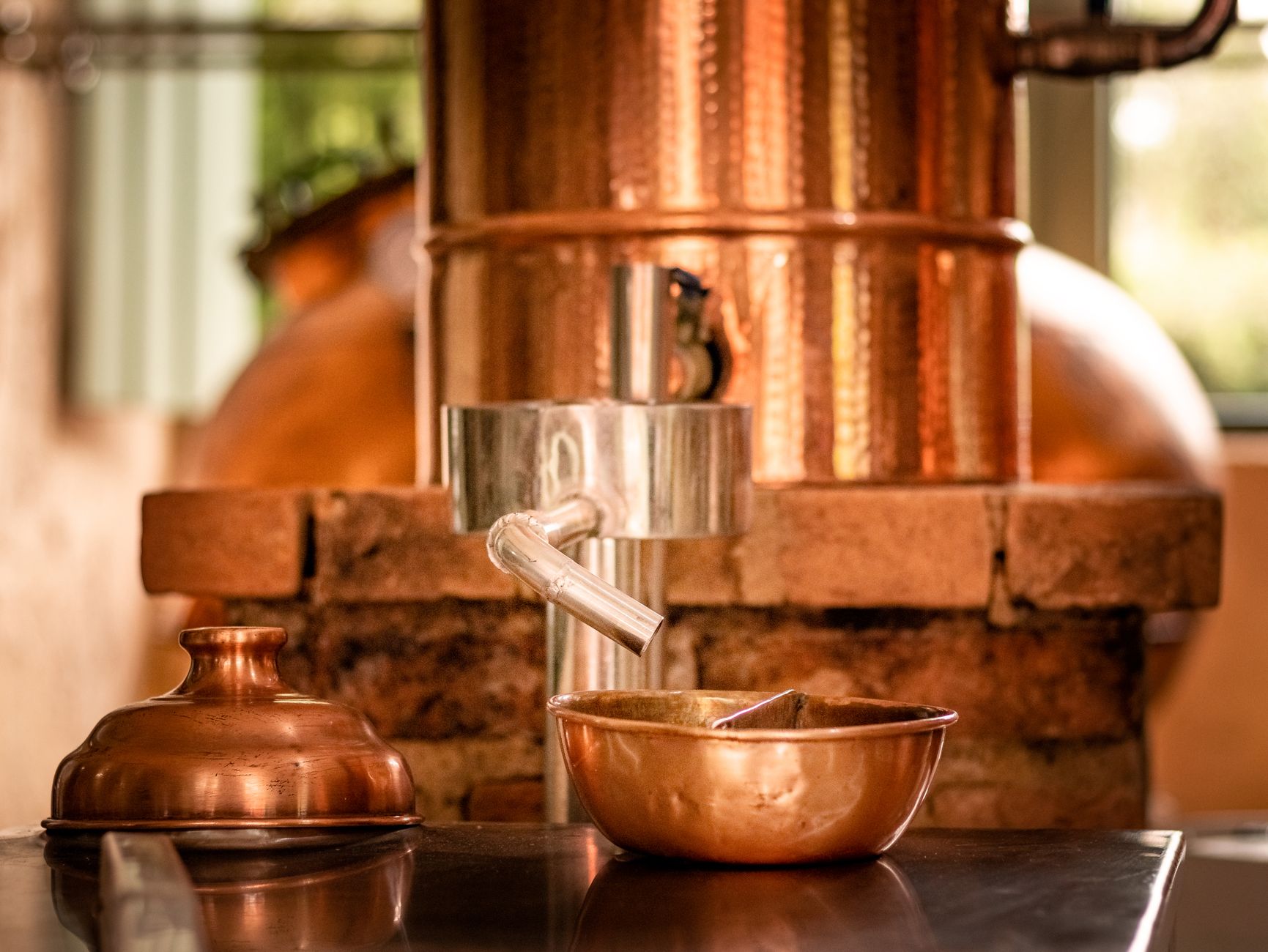
Distilled water is created through a process of boiling water, which turns it into steam, then condensing back into liquid. This process removes impurities, minerals, and other contaminants, resulting in water that is nearly pure. The major benefit is its lack of dissolved solids, which can alter the taste and texture of food.
Benefits of Cooking with Distilled Water
- Purity: Distilled water doesn’t contain minerals or chemicals found in tap water, which could affect the flavor of dishes.
- Consistency: Using distilled water ensures a consistent taste, as it lacks the variable elements present in regular water.
- Best for Specific Recipes: Certain recipes, especially those requiring precise measurements, may benefit from the neutral profile of distilled water.
- Good for Canning: Distilled water is often recommended for canning, as it prevents mineral deposit buildup in cans and jars.
When to Use Distilled Water in Cooking
While distilled water can be used for most cooking methods, there are particular instances when it’s advantageous:
- Making Stock or Broth: Using distilled water can enhance the flavor of the stock by providing a neutral base that highlights other ingredients.
- Baking Bread: Distilled water can be beneficial in baking, especially yeast recipes. It provides a clean slate for activating the yeast without minerals interfering.
- Cooking Grains: When cooking grains like rice or quinoa, distilled water can help achieve a clearer flavor profile.
- Brewing Tea or Coffee: The purity of distilled water allows the delicate flavors of tea leaves or coffee beans to shine without interference.
Potential Drawbacks of Using Distilled Water
Despite its benefits, there are some considerations when using distilled water:
- Lack of Minerals: The absence of minerals can sometimes lead to a flat or bland taste in dishes that otherwise benefit from nutrient-rich water.
- Not Always Necessary: In many cases, tap water is perfectly adequate for cooking. Using distilled water may be overkill for everyday tasks.
- Cost: Distilled water can be more expensive than regular tap water, especially if used frequently.
Distilled Water vs. Other Types of Water
Understanding how distilled water compares to other types of water can help you choose the right one for your cooking needs:
| Type of Water | Characteristics | Best Uses |
|---|---|---|
| Distilled Water | Free from minerals and contaminants | Precise cooking, canning, baking |
| Tap Water | Contains minerals and chlorine | Everyday cooking, boiling |
| Spring Water | Natural minerals may enhance flavor | Drinking, light cooking |
| Mineral Water | High in natural minerals | Drinking, certain recipes that benefit from flavor |
Practical Uses of Distilled Water in Cooking and Baking
Here’s a deeper look at how to use distilled water effectively across different cooking techniques:
Boiling and Steaming
When boiling or steaming vegetables, pasta, or rice, using distilled water can yield clearer flavors. While regular tap water may impart a slight taste due to its mineral content, distilled water keeps the dish bright and clean. Follow these steps:
- Measure the appropriate amount of distilled water based on the instructions for your ingredient.
- Bring the water to a boil in a pot.
- Add ingredients and cook according to the recipe instructions, adjusting for altitude or personal preferences.
Baking
In baking, especially for bread, using distilled water can help achieve consistent results. When activating yeast, impurities in regular water may hinder yeast activity. To use distilled water in baking:
- Heat distilled water to the recommended temperature for activating yeast (usually between 100°F and 110°F).
- Add the yeast and a pinch of sugar, allowing it to foam for about 5-10 minutes.
- Incorporate it into your dough ingredients as dictated by your recipe.
Making Stocks and Broths
Using distilled water for stocks and broths helps keep the flavors distinct and clean. Since stock is all about extracting flavors from ingredients, starting with pure water helps showcase those flavors. Follow these steps:
- Combine chopped vegetables, herbs, and any bones or meat in a large stockpot.
- Add enough distilled water to cover the ingredients.
- Bring to a gentle simmer and cook for several hours, skimming any foam that appears.
Common Mistakes When Cooking with Distilled Water
To make the most of distilled water in the kitchen, be mindful of these common mistakes:
- Using it as a Default: While distilled water is great for some recipes, do not use it for every cooking task. In most cases, tap water works well.
- Cooking Without Tasting: Excessive reliance on distilled water can lead to bland dishes. Always taste and adjust the seasoning as needed.
- Forgetting Adjustments: Be conscious that using distilled water may require small adjustments in seasoning or ingredient amounts to balance flavors.
Substituting Distilled Water in Recipes
If you don’t have distilled water on hand, here are alternative substitutes you can use:
- Filtered Water: This is a great alternative that still removes many impurities and should yield similar results.
- Boiled Tap Water: Allow tap water to boil and cool down to reduce chlorine and other contaminants.
- Spring Water: While it contains minerals, spring water can also work in a pinch for most cooking tasks.
Storage and Shelf Life of Distilled Water
Distilled water does not spoil or expire as long as it is stored correctly. Follow these guidelines:
- Store in a clean, sealed container to prevent contamination.
- Keep it in a cool, dark place away from direct sunlight.
- Use it within a few months for optimal freshness, although it can last much longer if appropriately sealed.
Conclusion
Cooking with distilled water offers unique benefits that can enhance various culinary endeavors. Its purity and consistency make it a reliable choice for specific recipes and methods, from baking to canning. However, keeping in mind its characteristics will enable you to make informed decisions about when to use it.
For more cooking tips and recipes, consider checking out our guides on freezing watermelon or substituting milk for heavy cream. Happy cooking!