
Canada, a vast country known for its diverse culture and beautiful landscapes, is also home to a rich culinary heritage. From coast to coast, the country offers a variety of regional dishes and ingredients that reflect its geography and history. This article explores the foods Canada is best known for, highlighting their origins, flavors, and ways to enjoy them in your kitchen.
Understanding what makes Canadian cuisine unique involves delving into its regional specialties, popular ingredients, and beloved dishes. Whether you’re a fan of savory meats or sweet treats, there’s something for everyone to discover.
What Food Is Canada Known For?
Canada is known for a variety of food items that reflect its cultural diversity and regional ingredients. Key staples include poutine, butter tarts, Nanaimo bars, and regional specialties like tourtière. Canadian cuisine also emphasizes fresh, local produce and hearty comfort foods.
Iconic Canadian Foods
Let’s explore some of the foods that have become synonymous with Canadian culture and cuisine.
Poutine
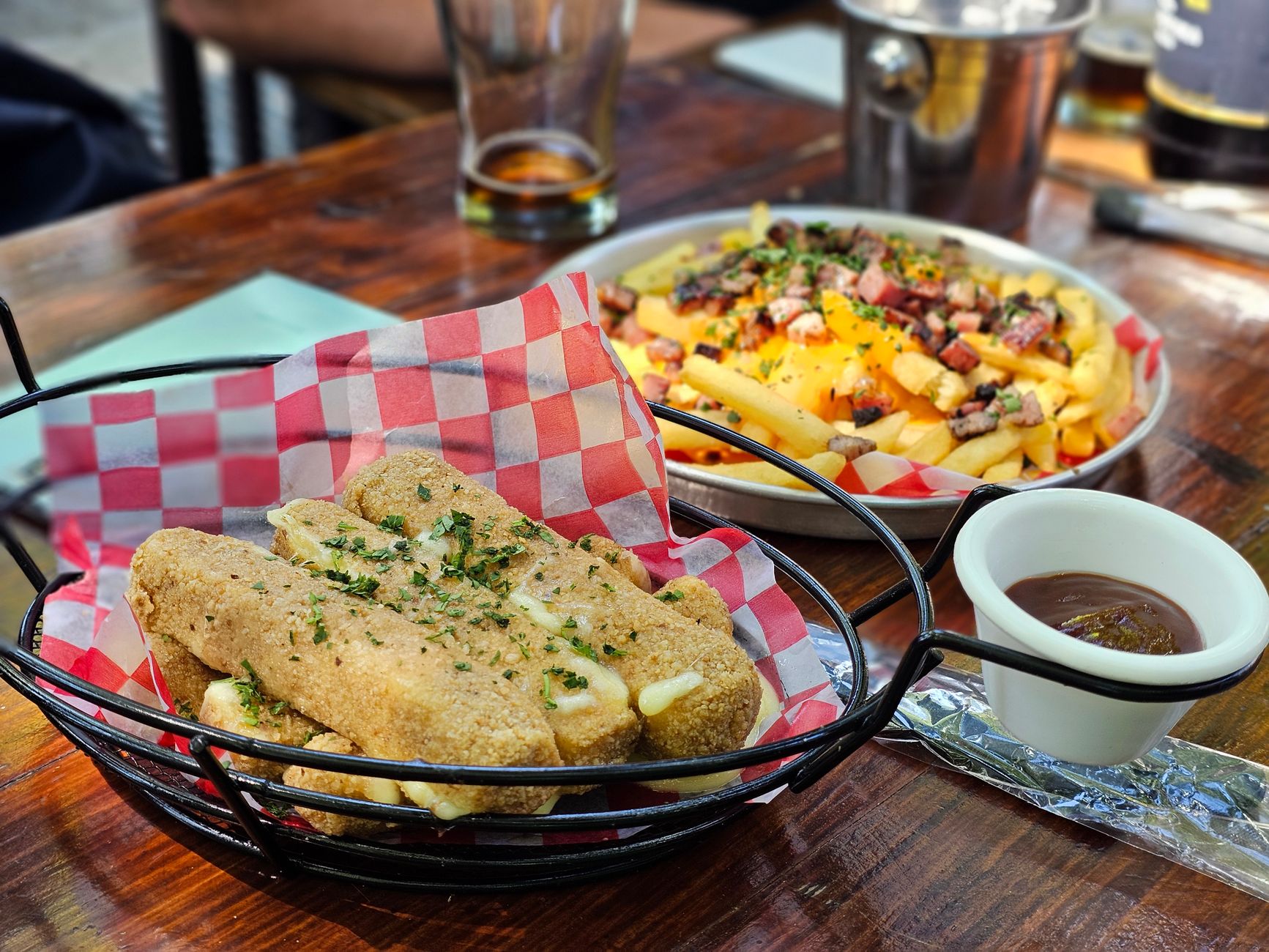
Poutine is perhaps the most famous Canadian dish, originating from Quebec. This hearty comfort food consists of French fries topped with cheese curds and smothered in gravy. The combination results in a deliciously rich and savory experience.
How to Make Poutine
- Ingredients:
- 4 large russet potatoes, cut into fries
- 2 cups cheese curds
- 2 cups chicken or beef gravy
- Salt and pepper, to taste
- Oil for frying
- Equipment: Large pot or deep fryer, frying thermometer, baking sheet, and a ladle.
- Heat oil in a large pot or deep fryer to 350°F (175°C).
- Fry the cut potatoes in batches until golden brown and crispy, about 5-7 minutes. Remove with a slotted spoon and drain on paper towels.
- While the fries cook, heat the gravy in a saucepan until simmering.
- To assemble, place a generous serving of fries on a plate, sprinkle cheese curds on top, and ladle hot gravy over everything.
- Season with salt and pepper. Serve immediately.
Butter Tarts
Butter tarts are a classic Canadian dessert, renowned for their sweet, gooey filling and flaky pastry crust. These tarts can be made with raisins or nuts, creating variations to suit different tastes.
Making Butter Tarts
- Ingredients:
- 1 pie crust (store-bought or homemade)
- 1 cup brown sugar
- 1/2 cup corn syrup
- 2 large eggs
- 1/4 cup unsalted butter, melted
- 1 teaspoon vanilla extract
- Pinch of salt
- Optional: 1/2 cup raisins or chopped pecans
- Preheat the oven to 375°F (190°C).
- Roll out the pie crust and cut it into circles to fit a muffin tin.
- Place the crusts into the muffin tin and set aside.
- In a bowl, whisk together brown sugar, corn syrup, eggs, melted butter, vanilla, and salt until combined. Fold in any optional ingredients.
- Pour the filling into each crust, filling about 2/3 full.
- Bake for 20-25 minutes, or until the filling is set and the tops are golden.
Nanaimo Bars
Named after the city of Nanaimo in British Columbia, Nanaimo bars are a no-bake treat characterized by their layers of crumbly base, custard-flavored middle, and chocolate topping. These bars are a delightful combination of flavors and textures.
How to Make Nanaimo Bars
- Ingredients:
- 1/2 cup unsweetened cocoa powder
- 1/2 cup unsalted butter, softened
- 1 cup graham cracker crumbs
- 1/2 cup shredded coconut
- 1 cup powdered sugar
- 2 tablespoons vanilla custard powder
- 1/2 cup dark chocolate chips
- In a bowl, combine graham cracker crumbs, cocoa powder, sugar, and shredded coconut. Stir in softened butter until well mixed.
- Press the mixture evenly into the bottom of an 8-inch square pan.
- In a separate bowl, mix powdered sugar and custard powder with a few tablespoons of milk to create the custard layer. Spread over the crumb layer.
- For the top layer, melt the chocolate chips and pour over the custard. Allow to cool in the refrigerator until set. Cut into bars before serving.
Regional Specialties
Canada’s size means that regional specialties vary widely, reflecting local ingredients and culinary traditions.
Tourtière
This savory meat pie is a traditional dish in Quebec, especially during the holidays. Typically made with minced meats (like pork, beef, and sometimes game), spices, and a flaky crust, tourtière is delicious and hearty.
Making Tourtière
- Ingredients:
- 2 cups pastry dough (store-bought or homemade)
- 1 pound ground pork
- 1 pound ground beef
- 1 onion, finely chopped
- 1 clove garlic, minced
- 1 teaspoon dried thyme
- 1 teaspoon ground allspice
- 1 egg, beaten (for egg wash)
- Salt and pepper, to taste
- Preheat the oven to 375°F (190°C).
- In a pan, sauté the onion and garlic until softened. Add the ground meats and cook until browned.
- Stir in thyme, allspice, salt, and pepper and allow to cool slightly.
- Roll out the pastry dough, place half in a pie pan, add the meat mixture, and cover with the remaining dough. Seal the edges and cut ventilation slits on top.
- Brush the top with beaten egg for a golden finish. Bake for 45-50 minutes or until the crust is golden brown.
Maple Syrup
No discussion of Canadian cuisine would be complete without mentioning maple syrup. Canada produces about 71% of the world’s maple syrup, primarily in Quebec. This sweet syrup is delicious on pancakes, waffles, and even as an ingredient in various dishes.
Using Maple Syrup
- Flavor Profile: Maple syrup has a distinct sweetness with notes of caramel and vanilla.
- Cooking Uses:
- Drizzle over pancakes or French toast.
- Use in baking for cookies and cakes.
- Combine with mustard for a unique glaze on meats.
- Substitutions: Honey can be used as a substitute but will alter the flavor profile. Agave syrup is another alternative, providing a different sweetness level.
Comfort Foods and Snacks
In addition to iconic dishes, Canadians embrace comfort foods that warm the soul and taste great.
Peameal Bacon
Also known as “Canadian bacon,” peameal bacon is made from lean pork loin rolled in cornmeal and often served in breakfast sandwiches. It’s a savory and slightly sweet treat best enjoyed crispy.
Cooking Peameal Bacon
- Ingredients: Slices of peameal bacon, oil or butter for frying, and your choice of sandwich bread.
- Method:
- Heat a skillet over medium heat and add a small amount of oil or butter.
- Add the peameal bacon slices and cook for about 3-4 minutes on each side until golden and crispy.
- Serve on toasted bread with mustard, if desired.
Ketchup Chips
A Canadian snack favorite, ketchup-flavored potato chips are a unique offering that diners often rave about. The tangy and sweet flavor makes them irresistible.
Creating Homemade Ketchup Chips
- Ingredients:
- 2 large potatoes, thinly sliced
- 2 tablespoons ketchup powder (or mix equal parts ketchup and salt)
- Oil for frying
- Heat oil in a deep fryer or large pot to 350°F (175°C).
- Fry potato slices in small batches until golden and crispy, about 5-7 minutes.
- Remove and drain on paper towels, then toss with ketchup powder while still hot.
Seasonal and Regional Ingredients
Canada’s regional diversity means a rich variety of seasonal ingredients that are synonymous with certain places or times of year.
Fresh Fish
With its extensive coastlines and numerous lakes, Canada is known for its fresh fish, including salmon, trout, and perch. Many Canadians enjoy sports fishing, with freshly caught fish often ending up on the dinner table.
Preparing Fresh Fish
- Common Varieties: Salmon, Arctic char, halibut, and pickerel.
- Cooking Methods:
- Grilling: Brush with oil and season to taste before grilling over medium heat.
- Baking: Place seasoned fish in a baking dish, add a splash of white wine, and bake at 400°F (200°C) for 15-20 minutes.
- Frying: Dredge in flour or cornmeal and fry in oil until crispy.
Wild Game
Hunting is a part of Canadian culture, and wild game reflects this tradition. Venison, elk, and moose are commonly used in various dishes, providing rich and flavorful meat.
Cooking with Wild Game
- Flavor Profile: Wild game meat is often leaner and has a stronger flavor than farmed meats.
- Cooking Tips:
- Marinate before cooking to enhance tenderness and flavor.
- Slow cooking methods work best to bring out the flavors.
- Always ensure meat is cooked to a safe internal temperature.
Cultural Influence on Canadian Cuisine
Canadian cuisine has also been shaped by its multicultural society. Many traditional dishes incorporate ingredients from Indigenous peoples and immigrant communities.
Indigenous Cuisine
Various Indigenous communities influence Canadian food culture through dishes that focus on natural ingredients, such as berries, game, and wild fish.
Notable Ingredients:
- Wild rice: A native grain often served as a side dish.
- Berries: Blueberries, cranberries, and Saskatoon berries used in jams, sauces, and desserts.
Immigrant Influences
As a country rich in immigration, Canadian cuisine has absorbed flavors and techniques from around the globe, including Asian, European, and Middle Eastern heritages.
Popular Dishes:
- Butter chicken (Indian): A creamy tomato-based curry enjoyed nationwide.
- Dim sum (Chinese): Popular in larger cities, featuring small dishes ranging from dumplings to buns.
Conclusion
Canadian cuisine showcases a diverse and rich tapestry of flavors, ingredients, and culinary traditions. From the iconic poutine to the sweet treat of butter tarts, there is much to explore, enjoy, and recreate. Take a moment to try cooking up these classic dishes, and you might just find a new favorite!
Explore related recipes, cooking tips, or food guides to enhance your culinary skills and discover more flavors of the world.