
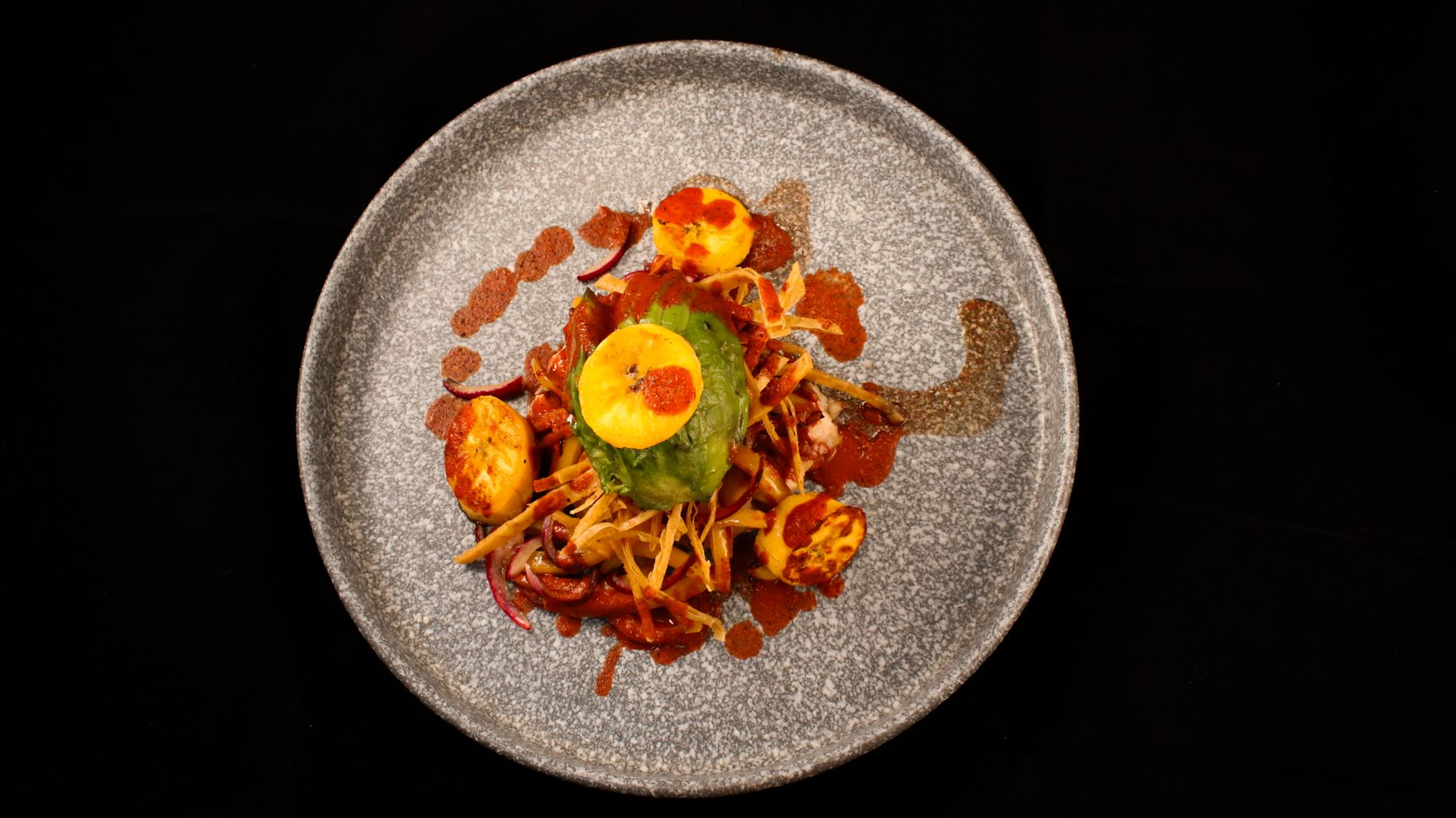
Arias-Roman food refers to a unique culinary tradition that blends different regional influences, showcasing vibrant flavors and diverse ingredients. Understanding the types of dishes, their kitchen uses, and how to purchase key components can help anyone appreciate and recreate this extraordinary cuisine.
This article delves into the various types of food in the Arias-Roman tradition, key ingredients and their uses in the kitchen, as well as practical buying tips for ensuring the best quality in your cooking.
Which Food Arias-Roman?
Arias-Roman cuisine encompasses a fusion of techniques and ingredients from various cultural backgrounds, often leading to a vibrant and rich culinary experience. With emphasis on fresh produce and unique spices, dishes range from hearty mains to light snacks, making them a delight for any kitchen enthusiast.
Types of Food in Arias-Roman Cuisine
The Arias-Roman food tradition can be categorized into several distinct types, each characterized by unique cooking methods, flavors, and textures. Here are a few notable examples:
1. Hearty Mains
These dishes often feature meat or seafood as the star component, complemented by rich sauces and fresh vegetables. Common examples include:
- Paella – A rich rice dish typically made with saffron, various seafood, chicken, and vegetables.
- Pasta al Pomodoro – Fresh pasta tossed with a simple yet flavorful tomato sauce.
- Stews – Often made with beef or lamb, incorporating seasonal vegetables to create a warming meal.
2. Light Snacks and Appetizers
Perfect for sharing, these bite-sized delights highlight fresh ingredients and bold flavors, such as:
- Tapenade – An olive spread, typically served with bread or crackers.
- Bruschetta – Grilled bread topped with diced tomatoes, garlic, and basil.
- Stuffed Peppers – Small peppers filled with cheeses, meats, or grains for a satisfying starter.
3. Fresh Salads
Salads in the Arias-Roman tradition are often refreshing, with components like crispy greens, vinegars, and bright dressings. Popular options include:
- Fattoush – A Middle Eastern salad featuring mixed greens, crunchy pita, and a tangy lemon dressing.
- Caprese – A simple dish made with fresh mozzarella, tomatoes, and basil, drizzled with olive oil.
4. Traditional Desserts
Desserts in Arias-Roman cuisine often highlight seasonal fruits and creamy textures. Pangiallo and Zeppole are two examples of beloved sweets:
- Pangiallo – A sweet bread made with nuts, dried fruits, and spices.
- Zeppole – Fried dough pastries filled with custard, cream, or jelly.
Essential Ingredients for Arias-Roman Cooking
When cooking Arias-Roman dishes, understanding key ingredients can enhance the authenticity of your food preparation. Here’s a breakdown of essential components and their culinary uses:
1. Fresh Herbs
Herbs play a crucial role in enhancing flavors. Commonly used herbs include:
- Basil – Sweet and slightly peppery, great for enhancing tomato-based dishes.
- Oregano – Earthy and aromatic, perfect for sauces and marinades.
- Rosemary – Piney and fragrant; ideal for meats and roasted vegetables.
2. Quality Olive Oil
An essential ingredient in Arias-Roman cuisine, olive oil is used for cooking, dressings, and dipping. Look for extra virgin varieties for the best flavor.
3. Seasonal Vegetables
Using fresh, seasonal vegetables not only enhances flavor but also adds texture and nutrition. Popular options include:
- Tomatoes – A staple in many sauces and salads.
- Bell Peppers – Bright in flavor and color, used in various dishes.
- Eggplant – Often used in both appetizers and mains for a robust flavor.
4. Grains and Legumes
Providing heartiness to meals, grains and legumes are indispensable in Arias-Roman cuisine:
- Rice – Used in dishes like paella for the main carbohydrate.
- Pasta – A key ingredient in many traditional recipes, ranging from simple to complex.
- Chickpeas – Common in salads and stews, adding protein and texture.
5. Quality Proteins
Protein sources such as meat, poultry, and seafood are vital in creating satisfying dishes. Varieties include:
- Chicken – Versatile and commonly used in several traditional recipes.
- Lamb – A richer meat, often used in stews and roasts.
- Fish and Shellfish – Fresh options like shrimp and calamari bring unique flavors to plates.
Cooking Techniques in Arias-Roman Cuisine
Understanding specific cooking techniques common in the Arias-Roman tradition can help create authentic dishes. Here are some notable methods:
1. Sautéing
This quick cooking method uses a small amount of oil in a hot pan. It’s often used for vegetables, meats, and aromatics to develop flavor.
- Heat a few tablespoons of olive oil in a skillet over medium-high heat.
- Add ingredients, ensuring not to overcrowd the pan to promote browning.
- Stir frequently until they are tender and golden brown.
2. Braising
Braising involves cooking food slowly in a small amount of liquid, which helps tenderize tougher cuts of meat. Here’s how:
- Season the meat and sear on all sides in a heavy pot to develop flavor.
- Add aromatics (vegetables, herbs, spices) and enough liquid to cover half the meat.
- Cover and simmer on low heat for several hours until tender.
3. Grilling
A popular technique often used for meats and vegetables, grilling imparts a smoky flavor. Follow these steps:
- Preheat the grill to medium-high heat.
- Brush food with olive oil and season as desired.
- Place on the grill, turning only once for perfect char marks.
Buying Tips for Arias-Roman Ingredients
When seeking ingredients for Arias-Roman cuisine, purchasing the highest quality can significantly elevate your dishes. Here are some buying tips:
1. Fresh Produce
- Choose seasonal fruits and vegetables whenever possible for peak flavor and freshness.
- Look for local farmers’ markets to find high-quality, organic produce.
- Avoid dull or wilted leaves; vibrant colors indicate freshness.
2. Proteins
- Opt for grass-fed, pasture-raised meats and sustainably sourced seafood.
- Check for firm texture and a clean smell to ensure freshness.
3. Grains and Pasta
- Look for whole grain options for added nutrition or artisanal pasta for better texture.
- Check the expiry date to ensure freshness before purchasing.
4. Seasonings and Oils
- Select extra-virgin olive oil for the best quality in flavor and health benefits.
- Purchase dried herbs and spices in small quantities to ensure potency and freshness.
Common Mistakes and Troubleshooting
Even experienced cooks encounter pitfalls. Here are some common mistakes to avoid while preparing Arias-Roman dishes, along with tips for rectifying them:
1. Overcooking Ingredients
Overcooking vegetables and meats can ruin texture and flavor. Pay close attention to cooking times, and always taste as you go.
2. Underseasoning
A lack of seasoning can lead to bland dishes. Make sure to taste frequently and adjust salt and spices as needed during the cooking process.
3. Not Using Fresh Ingredients
Using stale or low-quality ingredients can result in disappointing outcomes. Always check the freshness of your produce and proteins before cooking.
Storing and Reheating Arias-Roman Dishes
Proper storage and reheating techniques are crucial for maintaining flavor and texture in leftovers. Here are some guidelines:
1. Storage
- Cool leftovers to room temperature before refrigerating in airtight containers.
- Use within 3-4 days for best quality.
- Consider freezing dishes with sauces or broth for longer preservation.
2. Reheating
- Reheat gently on the stove over low heat, adding a splash of water or broth to prevent drying out.
- Microwaving is also an option, but cover the food to maintain moisture.
Final Thoughts on Arias-Roman Cuisine
Engaging with Arias-Roman culinary traditions offers an exciting way to explore diverse flavors and cooking techniques. By understanding the types of dishes, essential ingredients, and kitchen methods, anyone can bring a taste of this delightful cuisine into their home.
Ready to dive deeper into your culinary journey? Consider exploring how to substitute rosemary for other herbs, or learn more about the ingredients that comprise molasses. Embrace the joy of cooking and savor every bite!