
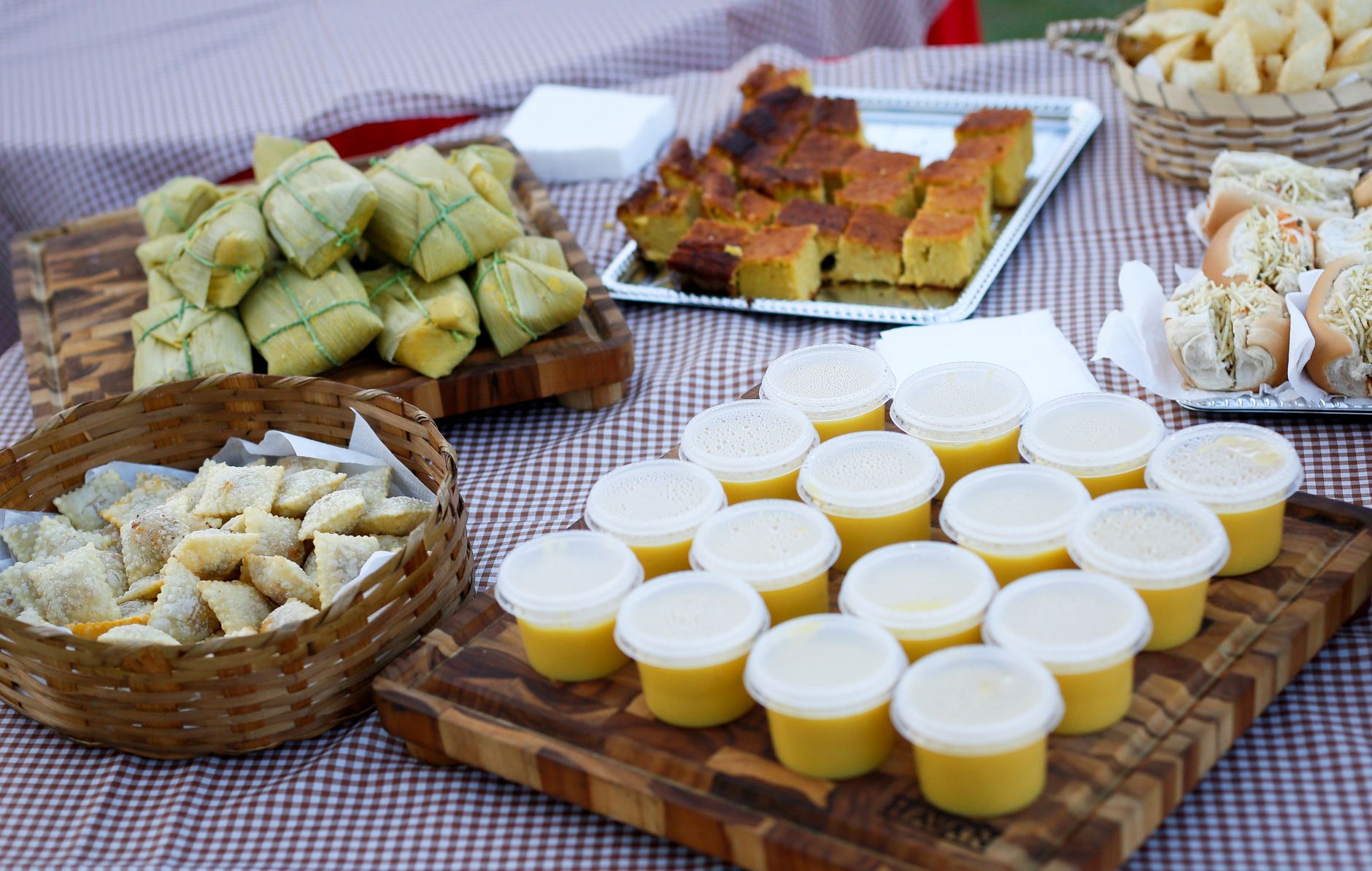
Hot tamales are a beloved traditional dish, particularly in Mexican and Tex-Mex cuisine, consisting of masa (corn dough) filled with various ingredients and wrapped in corn husks before being steamed or boiled. Their flavors, textures, and cultural significance make them a popular choice for gatherings and celebrations.
The process of making hot tamales can be labor-intensive, but the end result is rewarding, as they are a versatile dish that can be adapted to suit many tastes. In this article, we’ll explore the ingredients, taste, culinary uses, and even a guide on making your own hot tamales at home.
What Is a Hot Tamale?
A hot tamale is a type of traditional Mexican dish made from masa, which is a dough made from corn that is spread in a corn husk and typically filled with a variety of savory or sweet ingredients. The tamales are then folded, tied, and steamed until cooked. They can vary widely in fillings, being made with meats, cheeses, vegetables, and even fruits. The flavor profile can range from spicy to sweet, making hot tamales a versatile option in various culinary contexts.
Ingredients of Hot Tamales
The ingredients used in making hot tamales typically fall into two main categories: the masa and the filling. Here’s a closer look at each component:
Masa (Dough)
- 2 cups masa harina
- 1 cup warm chicken or vegetable broth (adjust as needed for desired consistency)
- 1/2 cup lard or vegetable shortening (also can use unsalted butter)
- 1 tsp baking powder
- 1/2 tsp salt
The masa harina is finely ground corn flour used as the base for tamales. Lard or vegetable shortening is used to provide richness and moisture to the dough, while the baking powder helps achieve a light and fluffy texture.
Fillings
- Meats (pork, chicken, beef, turkey, etc.)
- Vegetables (peppers, corn, black beans, etc.)
- Cheese (queso fresco for a mild flavor or sharper cheese for a bolder taste)
- Chiles (for spiciness and flavor, such as jalapeños or chipotle peppers)
- Sweet variations (filling with fruit like pineapple, or sweetened masa with cinnamon)
Fillings can be limitless, allowing for creativity. Traditional fillings often involve seasoned meats or spicy chiles, while non-traditional fillings may include vegetarian options or sweet choices.
Taste and Texture of Hot Tamales
Hot tamales offer a delightful combination of flavors and textures. The masa provides a slightly grainy texture with a soft, fluffy consistency when cooked properly. Depending on the filling, you may experience savory, spicy, or sweet flavors. Chiles often add heat, while meat or cheese can contribute richness and umami. The entire dish is enhanced by the smoky notes imparted during the steaming process.
Culinary Uses of Hot Tamales
Hot tamales serve various culinary purposes across cultures. They can be a main dish at a meal, a tasty snack, or even served at celebrations and holidays. Here are some common culinary uses:
Main Dish
Hot tamales can be served as a main dish alongside sides such as refried beans, rice, or a fresh salad. They can be a hearty meal that satisfies hunger and showcases the flavors of the filling.
Party Food
Due to their bite-sized nature, tamales are often served at gatherings or parties. They can be made in large batches, allowing guests to try different varieties. Serving tamales with a selection of salsas or sauces enhances the experience.
Celebratory Dishes
Tamales play a significant role in Mexican celebrations such as Christmas, Día de los Muertos (Day of the Dead), or weddings. They are often packed in bundles and given as gifts or served at feasts.
Street Food
Often considered street food, hot tamales can be found in outdoor markets and food stalls throughout Mexico and the Southwestern United States. They are sold wrapped in corn husks and can be eaten on the go, perfect for a quick snack while exploring bustling streets.
Making Hot Tamales: A Step-by-Step Guide
While making hot tamales may seem daunting, following these steps will help simplify the process. The estimated time for preparation and cooking is as follows:
- Preparation Time: 1-2 hours (includes soaking corn husks and preparing ingredients)
- Cooking Time: 1-1.5 hours (depends on the number of tamales and steaming method)
- Total Time: About 2-3 hours
Essential Equipment
- Large mixing bowl
- Pot with a steaming basket or a tamale steamer
- Double boiler (if no steaming basket is available)
- Kitchen twine or string (for tying tamales)
- Measuring cups and spoons
- Spatula or mixing spoon
- Plastic wrap (for holding together while steaming)
Instructions
- Begin by soaking corn husks in warm water for 30 minutes to an hour. This makes them pliable and easier to work with.
- In a large bowl, combine masa harina, baking powder, and salt. In a separate bowl, beat together lard and broth until well mixed.
- Gradually add the lard mixture to the masa harina, mixing until a soft dough forms. You may need to adjust the amount of broth to achieve a spreadable consistency.
- Prepare your filling by cooking and seasoning your selected ingredients (meat, vegetables, cheese, etc.). Allow them to cool slightly before use.
- Take a soaked corn husk and lay it on a flat surface. Spread about a 1/4 cup of masa dough onto the husk, leaving a space at the ends and sides (approximately 1-2 inches).
- Place 1-2 tablespoons of your filling in the center of the masa.
- Fold the sides of the corn husk over the masa, encasing the filling. Then fold the bottom of the husk up to close the tamale. If necessary, tie the tamale in place with kitchen twine or a small strip of corn husk.
- Repeat the process until all dough and filling are used up.
- Set up your steamer by boiling water in the pot, and arranging the tamales vertically in the steamer basket. Make sure they are not overcrowded.
- Cover the tamales with a damp cloth or additional husks, and steam for about 1-1.5 hours, until the masa is firm, and peels away from the husk easily.
- Let the tamales cool slightly before serving. They can be enjoyed immediately or stored for later use.
Practical Substitutions and Variations
There are several substitutions and variations to consider when making hot tamales:
Vegetarian or Vegan Options
Replace meat fillings with sautéed vegetables, beans, or plant-based protein to cater to vegetarian or vegan diets. For a richer masa, use vegetable shortening instead of lard. Additionally, ensure the broth is vegetable-based.
Gluten-Free Tamales
Since masa harina is gluten-free, hot tamales are generally safe for those with gluten intolerance or celiac disease. However, check all added ingredients for gluten content.
Flavored Masa
Experiment with flavored masa by adding spices or pureed ingredients (such as roasted red peppers) into the dough to enhance the taste without changing the structure significantly.
Sweet Tamales
Satisfy a sweet tooth by using sweetened masa and fillings such as chocolate, fruit, or cinnamon. Sweet tamales are often served as a dessert and can be topped with sweet sauces.
Common Mistakes and Troubleshooting
Here are some common mistakes to avoid and solutions:
- Dough too dry: Ensure the masa is adequately hydrated by adjusting the broth quantity. It should be spreadable, but not overly wet.
- Steaming issues: Overcrowding the steamer can impede cooking. Steam in batches if necessary, and ensure there is enough water in the pot to produce steam.
- Husks breaking: Soaking husks too briefly can cause them to crack. Ensure they are soaked long enough to become pliable.
- Filling leaking out: Reduce the amount of filling used and ensure the tamales are properly wrapped or tied.
Storage and Reheating Guidance
Hot tamales can be stored in various ways for later enjoyment:
Storage
Let tamales cool completely before storing. They can be refrigerated in an airtight container for up to 5 days or frozen for longer storage, up to 3 months. When freezing, wrap each tamale tightly in plastic wrap before placing in a freezer bag.
Reheating
To reheat tamales, steam them for about 20-30 minutes if frozen or 10-15 minutes if refrigerated until warmed through. You can also microwave them for quick heating, but steaming helps maintain their texture better.
Conclusion
Hot tamales are a delicious and versatile dish reflecting the rich culinary traditions of Mexican cuisine. With a variety of flavors and fillings, they can be tailored to suit almost any palate. By understanding the ingredients, the process of making them, and how to troubleshoot common issues, you can confidently dive into the world of tamales.
To enhance your culinary experience, you may also want to explore related topics like chipotle peppers or discover how to prepare flavorful dumpling dipping sauce for your next meal. Embrace the vibrant flavors of hot tamales and start creating your delightful versions today!