
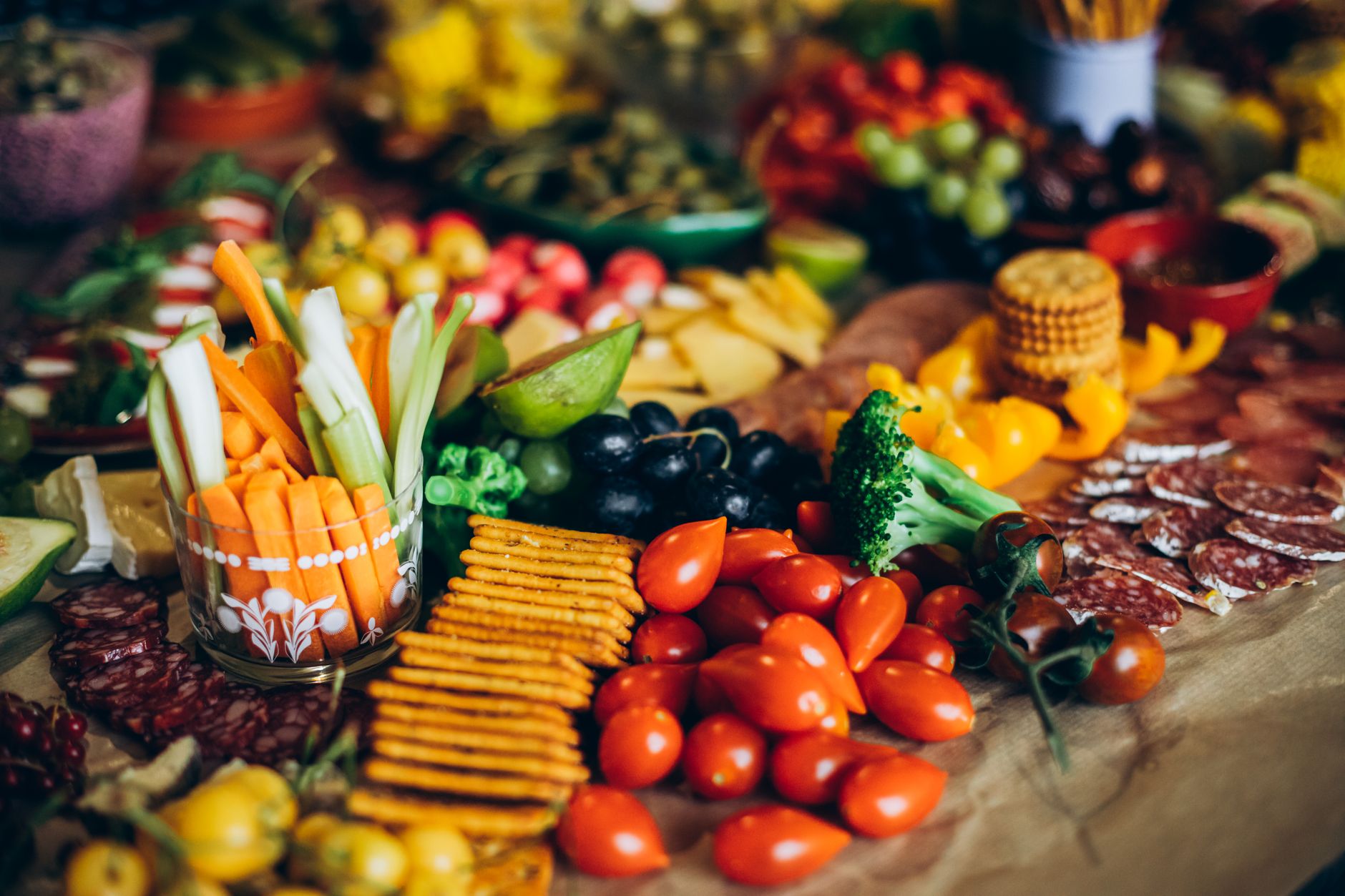
Finding good healthy snacks can be a game changer for your dietary habits, helping you maintain energy levels and satisfaction between meals. Whether you need a quick pick-me-up before a workout, a mid-afternoon treat, or something to hold you over until dinner, having nutritious options readily available is essential.
This guide will explore a range of healthy snack ideas, discussing their nutritional benefits, how to prepare them, and what portions to consider for a balanced diet.
What Are Good Healthy Snacks?
Good healthy snacks are those that provide nutritional value without excessive calories, sugar, or unhealthy fats. Snacks that are rich in fiber, protein, and healthy fats can help curb hunger and provide sustained energy. Examples include fresh fruits and vegetables, whole grains, nuts, and yogurt.
Why Choose Healthy Snacks?
Healthy snacking can prevent overeating during your next meal and support overall health by providing vital nutrients. Poor snack choices often lead to spikes in blood sugar, energy crashes, and increased cravings. Incorporating balanced snacks can help with weight management and reduce the risk of chronic diseases.
Components of Healthy Snacks
To make informed choices about healthy snacks, consider the following components:
- Fiber: Helps keep you full and aids digestion.
- Protein: Essential for muscle repair and growth, it also promotes satiety.
- Healthy Fats: Found in nuts, seeds, and avocados; these are crucial for heart health.
- Vitamins and Minerals: Fruits and vegetables contain essential nutrients that support overall well-being.
Types of Healthy Snacks
There is a vast array of healthy snack options that cater to different tastes and dietary preferences. Here are some excellent categories of healthy snacks:
Fruits and Vegetables
Fresh fruits and vegetables are perhaps the most straightforward healthy snacks. They are packed with vitamins, minerals, and antioxidants. Various preparations can make them more enticing:
- Fresh Fruit: Apples, bananas, berries, and oranges are all portable and require no preparation.
- Veggie Sticks: Carrots, celery, and bell peppers can be sliced and served with hummus or yogurt dip for added flavor.
- Fruit Smoothies: Blend together fruits with yogurt or milk for a nutrient-rich snack.
Nuts and Seeds
Nuts and seeds provide a satisfying crunch packed with healthy fats, protein, and fiber. Just be cautious of portion sizes to avoid excessive calories. Popular options include:
- Almonds: A great source of vitamin E and magnesium.
- Walnuts: Rich in omega-3 fatty acids, which are beneficial for heart health.
- Chia Seeds: Can be added to yogurt or smoothies for added fiber.
Dairy and Dairy Alternatives
Dairy products are high in protein and calcium, but there are also various plant-based alternatives. Consider these options:
- Greek Yogurt: Higher in protein than regular yogurt, it can be topped with fruits or nuts.
- Cottage Cheese: A low-fat option that can be paired with fruit or eaten on its own.
- Plant-Based Yogurt: Made from almonds, soy, or coconut, these can be a great dairy-free snack option.
Whole Grains
Whole grains are a fantastic source of fiber and provide sustained energy. Incorporating these grains into your snacks can help keep you full:
- Popcorn: A whole grain that is low in calories when air-popped and seasoned lightly.
- Whole Grain Crackers: Pair with hummus or cheese for a nutritious snack.
- Overnight Oats: Mix oats with yogurt or milk and let them soak overnight for a filling snack.
Protein-Rich Snacks
Including protein-rich foods can help curb hunger cravings while maintaining energy levels:
- Hard-Boiled Eggs: Easy to prepare, eggs are packed with protein and good fats.
- Tuna or Chicken Salad: Mix canned fish or chicken with Greek yogurt or avocado to serve on whole grain crackers.
- Protein Bars: Look for those with minimal sugar and a good balance of protein and fiber.
Portion Control for Healthy Snacking
Letting portion control guide your snacking can help prevent excess calorie intake. Depending on the type of snack, the ideal portion size may vary. Here are some guidelines:
- Fruits: One medium fruit or about one cup of berries.
- Vegetables: Around two cups of raw vegetables or one cup of cooked vegetables.
- Nuts: A serving size is typically about 1 ounce or a small handful.
- Yogurt: A serving is generally about 6 to 8 ounces.
- Whole Grains: A single serving of popcorn is around three cups; for crackers, roughly 10 to 15 is common.
Healthy Snack Combinations
The beauty of healthy snacks lies in their versatility. Here are some delicious combinations that you can easily prepare:
Fruit and Nut Butter
Sliced apples or bananas spread with almond or peanut butter make for a satisfying snack rich in fiber and healthy fats.
Veggies and Dip
Celery and carrot sticks paired with hummus or tzatziki offer crunch with healthy fats and protein.
Greek Yogurt Parfait
Layer your favorite fruits and nuts with Greek yogurt for a delicious and filling snack that packs a protein punch.
Trail Mix
Create your own trail mix using a combination of nuts, seeds, and dried fruit for a calorie-conscious snack that is easy to customize.
Common Healthy Snack Mistakes
Even healthy snacks can become unhealthy when prepared or consumed incorrectly. Avoid these common pitfalls:
- Excessive Portions: Even healthy foods can lead to weight gain if eaten in large quantities.
- Flavored or Sugary Options: Choose plain Greek yogurt over sweetened varieties or opt for unsalted nuts.
- Eating When Distracted: This can lead to overconsumption. Focus on your snacks to gauge satiety accurately.
Make-Ahead Healthy Snack Ideas
Making snacks in advance can simplify your week and help you stick to healthier eating habits. Here are a few ideas:
Energy Bites
Combine oats, nut butter, honey, and add-ins like chocolate chips or dried fruit. Roll them into bite-sized balls and store them in the fridge.
Homemade Granola
Mix rolled oats, honey, nuts, and seeds. Bake until golden brown and store in an airtight container.
Vegetable Packs
Wash and cut vegetables in advance, placing them in containers with dip for easy grab-and-go snacks.
Storage Tips for Healthy Snacks
Proper storage can enhance the freshness of your healthy snacks and prevent waste:
- Fruits and Vegetables: Store in the refrigerator to keep them fresh longer.
- Nuts and Seeds: Keep in a cool, dry place, or refrigerate for an extended shelf life.
- Dairy Products: Always keep yogurt and cheeses sealed in the fridge.
Conclusion
Healthy snacks come in various forms and flavors, offering innumerable options to satisfy your cravings while nourishing your body. Preparing and planning these snacks in advance can set you up for success in maintaining a balanced diet.
Consider making energy bites or homemade granola as delicious make-ahead options. For more snacking ideas or to explore recipes like peanut butter granola or protein brownies, continue exploring our food blog for additional cooking tips and meal ideas.