
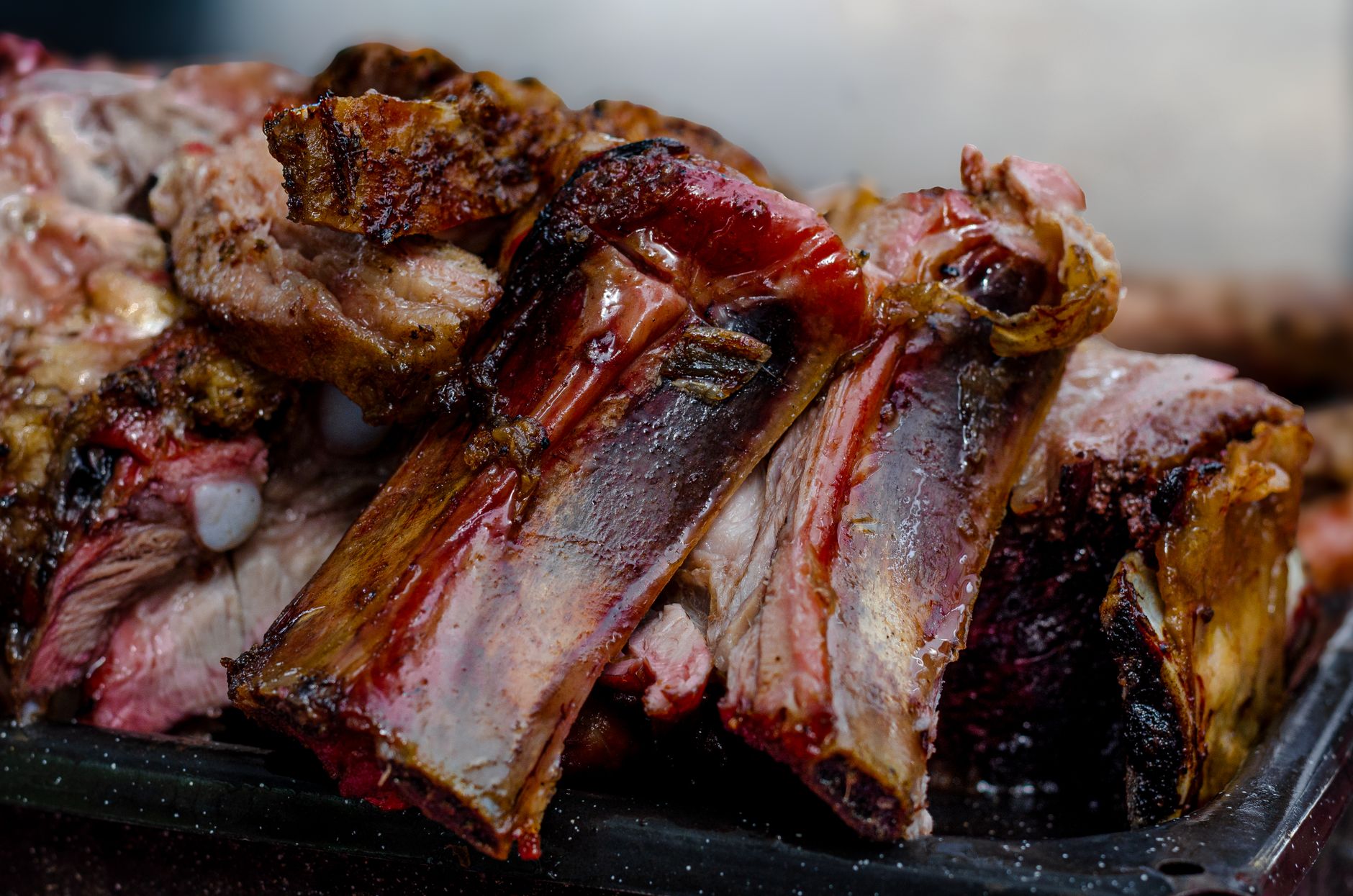
A bone-in rib roast, often known as a standing rib roast, is a remarkable centerpiece for gatherings and celebrations. Its tender texture and rich flavor come from the marbling of fat found within the meat, leading to a succulent roast that appeals to many palates.
Understanding how long to cook a bone-in rib roast appropriately ensures a delicious meal, balancing juiciness and doneness. This article provides essential cooking times, doneness tips, and helpful hints to ensure your rib roast is a memorable success.
How Long to Cook a Bone in Rib Roast?
Cooking a bone-in rib roast generally requires 15 to 20 minutes of cooking time per pound at a temperature of 325°F (163°C) for medium-rare doneness. However, the exact time can vary based on several factors, including the oven’s efficiency and the specific doneness desired.
Understanding Rib Roast and Its Cuts
Before diving into how to cook your rib roast, it’s important to understand what it is. A bone-in rib roast consists of several ribs from the cow’s upper back. The cut includes ribeye steaks and, when cooked whole, creates a stunning presentation.
Types of Rib Roast Cuts
- **Prime Rib**: Renowned for its rich marbling and flavor, prime rib is the most sought-after cut and is typically graded for higher quality.
- **Choice Rib**: This cut is more affordable and still offers decent flavor, but with slightly less marbling compared to prime rib.
- **Select Rib**: The least marbled of the three, select rib roasts can be leaner but may lack the desired flavor unless cooked carefully.
Preparation: Choosing & Preparing a Bone in Rib Roast
Select your rib roast based on the gathering size and cooking preferences. A good rule of thumb is to allocate about 1 pound per person for a bone-in rib roast. Here’s how to prepare it:
Ingredient List
- 1 bone-in rib roast (about 5 to 10 pounds)
- Salt (preferably kosher or sea salt)
- Freshly ground black pepper
- Garlic powder or minced garlic (optional)
- Fresh herbs (like rosemary or thyme, optional)
Essential Equipment
- Roasting pan
- Meat thermometer
- Sharp knife for trimming and carving
- Aluminum foil (for rest time)
Step-by-Step Preparation
- **Season the Roast**: Begin by seasoning your rib roast generously with salt and freshly ground black pepper. You can also add garlic powder and finely minced fresh herbs for enhanced flavor.
- **Room Temperature**: Let the roast sit at room temperature for about 1 to 2 hours before cooking. This helps in even cooking.
- **Preheat the Oven**: Preheat your oven to 325°F (163°C).
- **Place the Roast in the Pan**: Position the bone side down in a roasting pan. This setup will help shield the meat from direct heat.
Cooking the Bone in Rib Roast
The cooking process plays a critical role in achieving the desired doneness. Here’s what you need to consider.
Cooking Time Guidelines
| Weight of Roast | Cooking Time per Pound | Total Cooking Time |
|---|---|---|
| 2 – 3 Pounds | 20 – 25 Minutes | 40 – 90 Minutes |
| 4 – 5 Pounds | 18 – 20 Minutes | 72 – 100 Minutes |
| 6 – 8 Pounds | 15 – 18 Minutes | 90 – 144 Minutes |
| 8 – 10 Pounds | 15 Minutes | 120 – 150 Minutes |
Using a Meat Thermometer
A meat thermometer is essential for achieving perfect doneness. Insert it into the thickest part of the roast, away from the bone, for the most accurate reading. Here are the targeted internal temperatures for doneness:
- Rare: 125°F (52°C)
- Medium-Rare: 130°F to 135°F (54°C to 57°C)
- Medium: 140°F to 145°F (60°C to 63°C)
- Medium-Well: 150°F to 155°F (66°C to 68°C)
- Well-Done: 160°F (71°C) and above
Resting the Roast
Once the rib roast reaches the desired internal temperature, remove it from the oven and tent it loosely with aluminum foil. Letting the roast rest for 15 to 30 minutes is crucial. This process allows the juices to redistribute, ensuring a juicy and flavorful slice.
Common Mistakes to Avoid
Cooking a perfect rib roast can be tricky. Here are some mistakes to steer clear of:
- **Not Using a Meat Thermometer**: Skipping this essential tool can lead to overcooking or undercooking the roast.
- **Cutting Too Soon**: Carving the roast too early lets the juices escape; always let it rest.
- **Overcrowding the Roasting Pan**: If the oven doesn’t have space for airflow, it can lead to uneven cooking.
Serving Suggestions
Rib roast is often the star of the dinner table. Here are some ideas for serving:
- Serve with a rich, homemade gravy made from the pan drippings.
- Pair with classic sides like mashed potatoes, roasted vegetables, or Yorkshire pudding.
- A fresh arugula salad with lemon vinaigrette can help balance the richness of the roast.
Storage and Reheating Guidance
If you have leftovers from your rib roast, it’s essential to store them properly to maintain flavor and safety.
Storage
- Cool the roast to room temperature before wrapping it tightly in plastic wrap or aluminum foil.
- Store in the refrigerator for up to 3 to 4 days.
- You can also freeze leftovers; they will last for up to 6 months in the freezer.
Reheating
To reheat your rib roast without drying it out, follow these steps:
- Preheat the oven to 250°F (121°C).
- Wrap the roast in aluminum foil to retain moisture.
- Heat until warmed through, roughly 20 to 30 minutes for smaller pieces and longer for larger ones.
Conclusion
Cooking a bone-in rib roast is a rewarding endeavor that can elevate any meal. With careful attention to temperature, timing, and resting, you’ll create a masterpiece that friends and family will remember.
Now that you are armed with knowledge on cooking a bone-in rib roast, explore more delicious recipes and cooking tips. Check out our Dutch oven pot roast recipe or try making a prime rib rub to enhance your meals.