
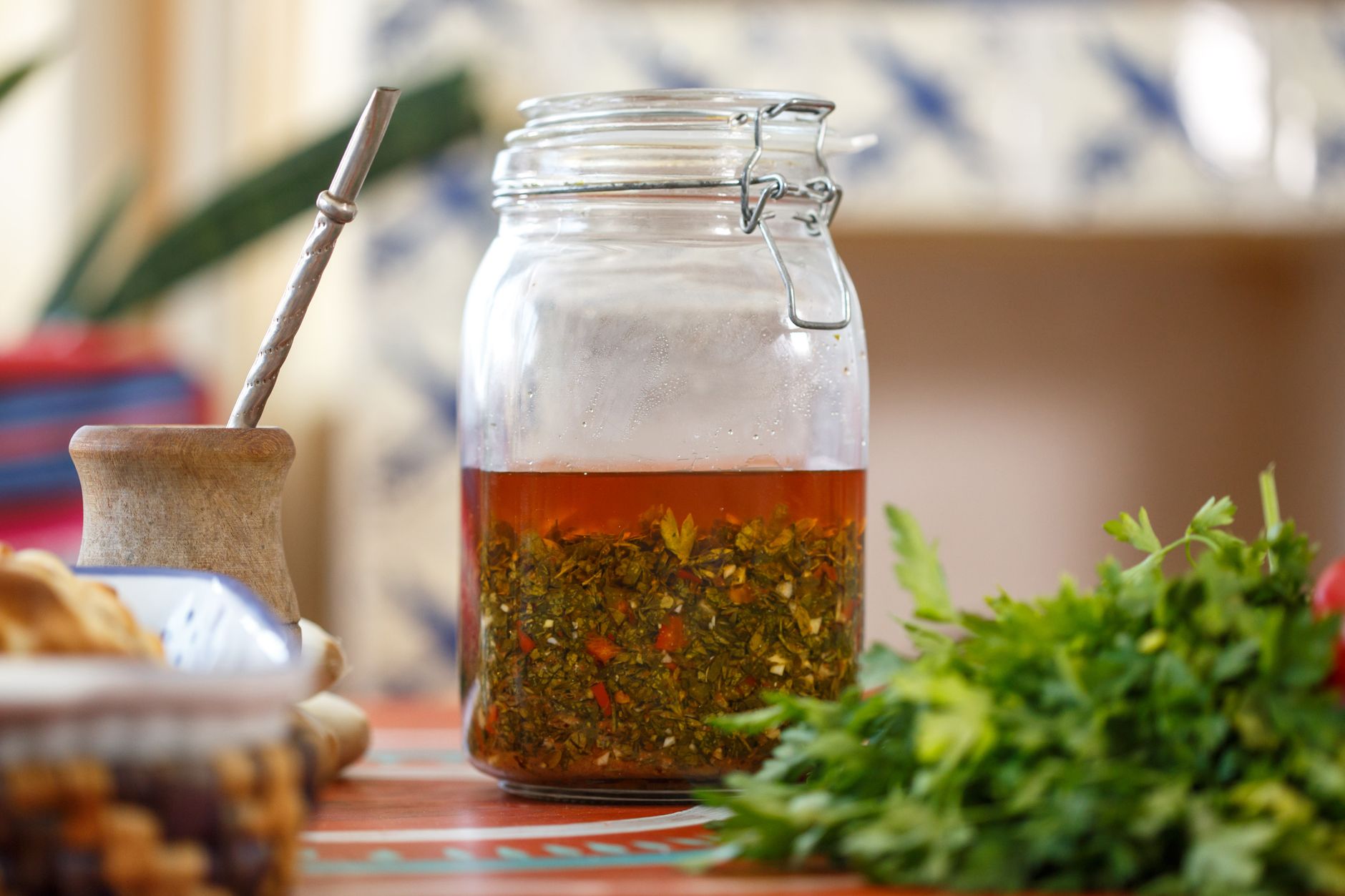
Chimichurri, a vibrant and tangy sauce originating from Argentina, is celebrated for its versatility as a condiment for grilled meats, vegetables, and more. However, like any food, it can spoil if not stored properly. Understanding whether chimichurri goes bad, how to recognize spoilage signs, and knowing the best practices for storage can enhance your culinary experience.
This article delves into the longevity of chimichurri, offering insights on storage times, spoilage signs, and practical tips for keeping your favorite sauce fresh for longer. From homemade recipes to store-bought options, let’s explore everything you need to know about chimichurri and its shelf life.
Does Chimichurri Go Bad?
Yes, chimichurri can go bad. Its shelf life varies depending on whether it is homemade or store-bought, and how it is stored. While the robust flavors of fresh ingredients can last for a period, they are eventually susceptible to spoilage due to microbial growth or oxidation.
Understanding Chimichurri
Chimichurri is typically made from parsley, garlic, olive oil, vinegar, and a blend of spices. Its bright, herby flavor profile makes it a beloved addition to many dishes. Despite its high acidity from vinegar, which helps to preserve it, the freshness of its ingredients determines how long it will last. Keeping that in mind, let’s explore factors affecting its shelf life.
Storage Times for Chimichurri
Understanding how long your chimichurri can last is essential. The longevity of your chimichurri sauce may differ based on factors such as its ingredients and storage method.
Homemade Chimichurri
Homemade chimichurri typically remains fresh for about 1 to 2 weeks in the refrigerator. Factors that influence its shelf life include:
- Freshness of Ingredients: Using fresher ingredients will increase the shelf life.
- Storage Container: Airtight containers help prolong freshness.
- Temperature: Keeping it consistently cold will minimize spoilage.
Store-Bought Chimichurri
Store-bought versions often contain preservatives that can extend their shelf life. Generally, they can last up to 6 months to a year, provided they are kept unopened and in a cool, dark place. After opening, they should be refrigerated and used within 1 to 3 months for the best quality.
Freezing Chimichurri
If you want to store chimichurri for an extended period, freezing is a suitable option. It can last for about 6 months in the freezer. The texture might change upon thawing, but the flavor will typically remain intact. Here’s how to freeze chimichurri effectively:
- Transfer the chimichurri into ice cube trays.
- Freeze until solid.
- Transfer the frozen cubes into a freezer-safe bag or container for longer storage.
Signs of Spoilage in Chimichurri
Being able to recognize spoilage is crucial for your health. Here are the key indicators that chimichurri has gone bad:
Visual Changes
Examine the color and consistency of your chimichurri. If you notice:
- Darkening color: This indicates oxidation and potential degradation of quality.
- Mold growth: Any signs of mold mean it should be discarded immediately.
Smell
A fresh chimichurri should have an aromatic, herbaceous scent. If it has a sour, rancid, or off-smell, it’s best to throw it away.
Taste
If you’re uncertain about its freshness, a small taste can help. If the flavor seems unusually strong, bitter, or otherwise off, discard it.
Best Practices for Storing Chimichurri
Proper storage is vital for maintaining the freshness of chimichurri. Follow these guidelines for optimal storage:
Refrigeration
Always store chimichurri in the refrigerator if it will not be used immediately. Use an airtight container to seal in flavors and minimize exposure to air.
Freezing Techniques
If you batch prepare chimichurri, consider freezing portions to use when needed. Ice cube trays are ideal for portioning out the sauce, allowing you to thaw only what you need.
Using Acidic Ingredients
In recipes, using a higher ratio of vinegar or lemon juice may help prolong the shelf life by increasing acidity. Keeping these ingredients on hand can help you adjust your chimichurri for longer freshness.
Recipe Variations and Their Longevity
Variations in chimichurri recipes can also impact how long they last. Here are a few common variations:
Cilantro Chimichurri
This version substitutes cilantro for parsley, adding a fresh twist. Storage guidelines remain similar; expect a shelf life of about 1 to 2 weeks in the fridge.
Spicy Chimichurri
Adding red pepper flakes or jalapeños will introduce a spicy kick but will likely maintain the same storage parameters as traditional chimichurri. Always check for freshness before use.
Herb Combination Chimichurri
Incorporating herbs like oregano or basil can enhance flavor but similarly impacts freshness. As with the others, expect a shelf life of about 1 to 2 weeks when refrigerated.
Common Mistakes When Making Chimichurri
Crafting chimichurri can be straightforward, but common mistakes can affect both flavor and shelf life:
Poor Ingredient Quality
Using wilted herbs or expired oil will influence both the taste and longevity of your chimichurri.
Incorrect Ratios
A proper balance of oil, vinegar, and herbs is critical. Over-oiling can lead to spoilage faster, while too much acidity can make the sauce taste off.
Serving Suggestions for Chimichurri
Chimichurri’s versatility enhances several dishes:
Grilled Meats
Slather chimichurri over steaks, chicken, or pork for an herby punch.
Vegetable Dishes
Use it to dress grilled or roasted vegetables, encouraging healthy and flavorful eating.
Sandwiches and Wraps
Add chimichurri to sandwiches for an exciting twist on traditional condiments.
Making Chimichurri Ahead of Time
Preparing chimichurri in advance can save time during meal preparation. Here are some tips for making it ahead:
Marinating Time
Consider making chimichurri 24 hours in advance to allow flavors to meld and deepen. This can lead to a richer flavor profile.
Freezer Storage
If preparing large batches, freezing allows for easy access later while maintaining flavor quality.
Conclusion
Chimichurri is a delightful sauce that can enhance many meals, but it is essential to store it correctly to maintain its freshness. Remember to look for signs of spoilage, store it properly, and feel free to experiment with variations. With these tips, you can continue enjoying chimichurri while ensuring safety and flavor.
For further culinary inspirations, explore our Cilantro Chimichurri Recipe or discover the nuances of an Authentic Chimichurri Recipe to elevate your cooking adventures!