
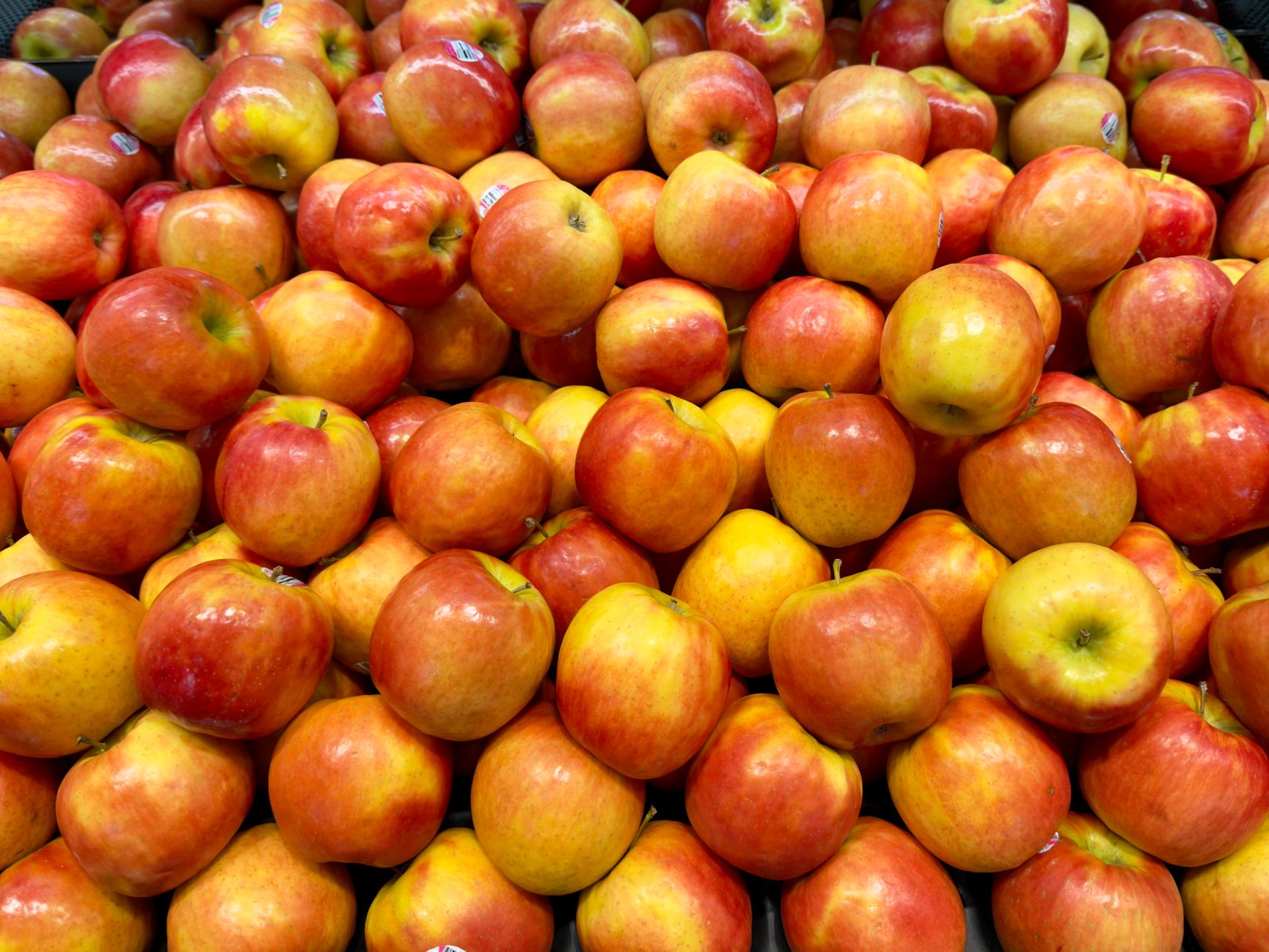
Apples are among the most popular fruits consumed around the world, enjoyed fresh, baked in desserts, or turned into various beverages. Yet, one might wonder, is an apple actually classified as a fruit? This article will delve into the characteristics of apples, their nutrition, culinary uses, and more.
Understanding whether an apple is a fruit involves examining its botanical classifications, food groups, and work in the kitchen. Join us as we explore everything apple-related—from its nutritional benefits to how it can enhance your culinary creations.
Is Apple a Fruit?
Yes, an apple is classified as a fruit. More specifically, it is a pome, which is a type of fruit characterized by a core surrounded by edible flesh. Apples belong to the genus Malus and often exhibit a range of colors and flavors, making them a versatile ingredient in both savory and sweet dishes.
Botanical Classification of Apples
In the world of botany, fruits are defined as the mature ovary of a flowering plant, usually containing seeds. Apples fit this definition, consisting of the following components:
- Exocarp: The outer skin of the apple, typically smooth.
- Mesocarp: The fleshy part of the apple that is edible and juicy.
- Endocarp: The inner layer that surrounds the seeds, often tougher than the outer layers.
- Seeds: The small, hard structures found in the core, from which new apple trees can grow.
Types of Apples
With over 7,500 varieties of apples cultivated across the globe, here are a few popular types and their characteristics:
- Granny Smith: Green, tart, and perfect for baking.
- Honeycrisp: Sweet, crisp, and excellent for snacking.
- Fuji: Juicy and sweet, great for salads and eating fresh.
- Gala: Sweet and aromatic, commonly found in grocery stores.
- Golden Delicious: Mildly sweet and versatile for both cooking and eating.
Nutritional Profile of Apples
Apples are not only delicious but also nutritious. Here’s a breakdown of their nutritional elements:
- Rich in dietary fiber, which aids in digestion.
- Low in calories, making them an excellent low-calorie snack.
- Contains Vitamin C, which is important for immune function.
- Packed with antioxidants that help reduce the risk of chronic diseases.
- Approximately 86% water, contributing to hydration.
Culinary Uses of Apples
Apples are highly versatile and can be incorporated into countless dishes. Here are ways to use them in your kitchen:
1. Apples in Sweet Dishes
Apples lend themselves beautifully to a variety of desserts. They can be:
- Baked into pies, such as classic apple pie, which features a flaky crust filled with spiced apples.
- Turned into sauces, like apple compote, perfect as a topping for pancakes or yogurt.
- Made into cakes, including apple cake, which combines the fruit’s sweetness with warm spices.
- Used fresh in salads, adding texture and sweetness to greens or grain salads.
2. Apples in Savory Dishes
While apples are frequently associated with desserts, they also shine in savory applications:
- Thrown into stir-fries or sautés for an unexpected crunch.
- Pairing well with pork, enhancing the dish’s flavor profile.
- Used as an ingredient in sauces, where they can add sweetness and depth.
3. Beverages
Apples are the basis for numerous beverages, including:
- Fresh apple juice, a hydrating and nutritious drink.
- Cider, both alcoholic and non-alcoholic, enjoyed particularly in fall.
- Smoothies that blend well with other fruits and spinach.
Buying and Storing Apples
When it comes to selecting apples, consider the following tips:
- Choose apples that are firm and free from bruises or blemishes.
- Check the color; it should be vibrant and consistent.
- Smell the apple; a fragrant aroma is a good indicator of freshness.
For storage:
- Store apples in a cool, dark place if they are not yet ripe.
- Once ripe, keep them in the refrigerator to extend their freshness.
- Avoid storing apples near strong-smelling foods, as they can absorb odors.
Common Mistakes When Cooking with Apples
Here are a few common mistakes to avoid when cooking with apples:
- Using apples that are too soft for baking, which can lead to mushy textures.
- Not adjusting the sugar level in recipes; this varies with the sweetness of the apple used.
- Failing to core apples before cooking, resulting in a less appealing presentation.
Substitutions and Variations
If you’re in need of substitutions or variations with apples, consider the following:
- For baking, pear can be used as a substitute for a similar texture and sweetness.
- In salads, try using dried cranberries or raisins if fresh apples aren’t available.
- Applesauce can replace oil or butter in baking to reduce fat content.
Cooking Techniques Involving Apples
Several cooking techniques bring out the best in apples.
1. Baking
Baking apples focuses on softening them while enhancing their natural sweetness. Follow these tips:
- Preheat the oven to 350°F (175°C).
- Slice apples evenly to ensure uniform cooking.
- Combine with warming spices like cinnamon, nutmeg, or allspice.
2. Sautéing
Sautéing apples allows them to retain some crunch while adding flavor. Remember to:
- Use a medium heat to prevent burning.
- Add a splash of lemon juice to maintain color and balance sweetness.
3. Stewing
Stewed apples provide a soft, comforting texture. To make stewed apples:
- Peel and chop apples into even pieces.
- Simmer with water, sugar, and spices until tender, about 15-20 minutes.
Recipe Ideas with Apples
Here are two delicious recipes that prominently feature apples:
Apple Compote
This apple compote is an easy and versatile recipe suited for breakfast or dessert.
- Yield: 4 servings
- Preparation time: 10 minutes
- Cooking time: 20 minutes
- Total time: 30 minutes
Ingredients
- 4 medium apples, peeled, cored, and chopped
- 1/4 cup sugar (or to taste)
- 1 tablespoon lemon juice
- 1 teaspoon cinnamon
- 1/4 cup water
Method
- In a saucepan, combine the chopped apples, sugar, lemon juice, cinnamon, and water.
- Bring the mixture to a simmer over medium heat.
- Cook until the apples are tender, about 15-20 minutes.
- Serve warm or cold, and store leftovers in the fridge for up to a week.
Classic Apple Pie Filling
This apple pie filling can be used in pies, tarts, or as a topping for yogurt or pancakes.
- Yield: 4-6 servings
- Preparation time: 15 minutes
- Cooking time: 15 minutes
- Total time: 30 minutes
Ingredients
- 6 cups sliced, peeled apples (such as Granny Smith or Honeycrisp)
- 3/4 cup sugar
- 1 teaspoon ground cinnamon
- 1/4 teaspoon nutmeg
- 2 tablespoons cornstarch
- 1 tablespoon lemon juice
- 1 tablespoon butter, diced (optional)
Method
- In a large bowl, combine the sliced apples, sugar, cinnamon, nutmeg, cornstarch, and lemon juice.
- Mix well to coat the apples evenly.
- Transfer the apple mixture to a saucepan and cook over medium heat for about 15 minutes until the apples are tender.
- Allow to cool before using in your preferred recipe.
Conclusion
Apples are indeed a fruit packed with flavor, nutrients, and versatility. From eating them fresh to incorporating them into delicious recipes, apples are a staple ingredient in many kitchens. As you explore the many uses of apples, consider trying your hand at making apple compote or apple pie filling to experience the sweet delight they can bring to your meals.
If you’re looking for more delicious apple-related recipes, check out our apple compote recipe and classic apple pie filling recipe for inspiration!