
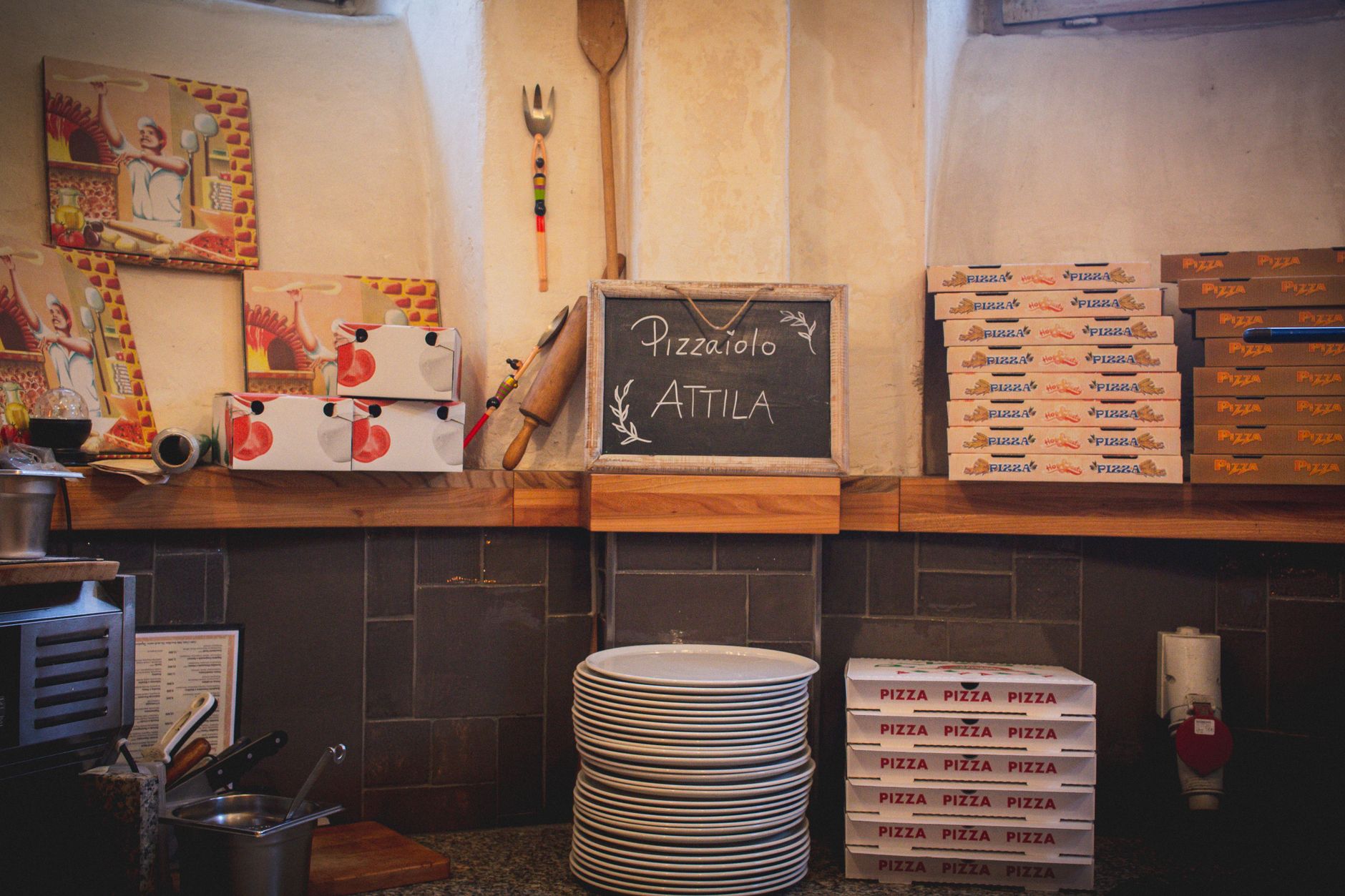
Opening a pizza shop can be an exciting venture for any food enthusiast. However, it requires careful planning, especially regarding the financial aspects. This article breaks down the various costs associated with opening a pizza shop, helping prospective owners understand what to expect and how to budget effectively.
From getting the right equipment to securing a suitable location, there are numerous factors to consider. While the overall investment can differ based on the size and location of your pizzeria, it’s essential to have a clear idea of the financial commitment involved.
How Much Does It Cost to Open a Pizza Shop?
The cost of opening a pizza shop can range widely, typically between $50,000 to over $250,000. Factors influencing this range include location, size, and whether you plan to operate a franchise or an independent shop. Understanding these costs is crucial for prospective business owners.
Breakdown of Costs
1. Initial Startup Costs
Startup costs encompass everything necessary to establish the pizza shop before opening day. Here’s a breakdown:
- Lease or Purchase of Property: Ranging from $1,500 to $10,000 per month, depending on location. Purchasing property can amount to hundreds of thousands.
- Renovation and Decor: Budget anywhere between $20,000 to $100,000 to make the space appealing and functional.
- Licenses and Permits: Expect to spend around $1,000 to $5,000 to obtain necessary permits, including health, business, and liquor licenses.
- Insurance: Annually, insurance can cost $1,500 to $3,000, covering general liability and worker’s compensation.
2. Equipment Costs
Your kitchen equipment is a critical aspect that affects both the quality of your product and your operational efficiency. Here’s what you might need:
- Oven: Commercial pizza ovens can range from $5,000 to $30,000, depending on the type (brick, conveyor, or deck oven).
- Refrigeration Equipment: This includes walk-in coolers or under-counter refrigerators and can cost between $2,000 to $10,000.
- Prep Tables and Utensils: Budget around $1,000 to $3,000 for kitchen tables, mixers, pans, and tools.
- Point of Sale (POS) System: An initial investment of $1,200 to $5,000 for a reliable POS system is essential for tracking sales and inventory.
3. Inventory Costs
You’ll need to stock up on ingredients to start operations effectively. Inventory costs will fluctuate based on your menu:
- Initial Stock of Ingredients: Expect to pay $1,000 to $5,000 on flour, cheese, toppings, sauces, and other essentials.
- Packaging Supplies: Budget around $500 to $2,000 for boxes, napkins, and utensils, depending on your order volume.
4. Staffing Costs
Hiring the right staff is crucial for efficient operations. Here are the associated expenses:
- Wages: Consider budgeting for wages of $15 to $20 per hour for cooks and staff with additional costs for management roles. Total monthly wages might range from $5,000 to $15,000, depending on the size of your team.
- Training Costs: Training new hires can add another $1,000 to $5,000 depending on how intensive the training program is.
5. Marketing and Advertising Costs
Getting the word out is essential. The marketing phase can cost:
- Initial Marketing: This could range from $2,000 to $10,000, covering social media campaigns, website creation, and traditional advertising.
- Continuous Marketing Efforts: Expect to allocate a monthly budget of $200 to $1,000 for ongoing marketing and promotions.
6. Miscellaneous Costs
Don’t forget additional costs that may arise during operation:
- Utilities: Water, electricity, and gas can range from $2,000 to $6,000 per year, depending on usage.
- Miscellaneous Supplies: Budget around $1,000 to $2,000 for a variety of other necessities, from cleaning supplies to office materials.
Types of Pizza Shops and Their Cost Implications
The type of pizza shop you open impacts your overall investment. Here are some common types with their typical costs:
1. Takeout or Delivery-Only Pizza Shop
This model typically requires less upfront investment since you might not need a dining area. Costs here may be closer to $50,000 to $100,000, saving money on furniture and decor.
2. Sit-Down Restaurant
A sit-down pizza shop often entails higher renovation and equipment expenses, ranging from $100,000 to $250,000. You must consider the seating area and an expanded menu.
3. Franchise Pizza Shop
Franchising comes with initial royalties and set-up fees, usually costing between $200,000 and $600,000. This option provides brand recognition and ongoing support, but at a higher price.
Tips for Reducing Costs
While costs can add up, there are effective strategies to manage and potentially reduce expenditures when opening a pizza shop.
- Start Small: Consider starting with a smaller space or a limited menu to save on renovation and initial inventory costs.
- Buy Used Equipment: Look for commercial kitchen equipment auctions or refurbished options to save significantly.
- Negotiate Rent: If possible, negotiate your lease terms and find a property with favorable conditions.
- Focus on Marketing Low-Cost Strategies: Utilize social media and word-of-mouth marketing to promote your shop without excessive spending.
Funding Your Pizza Shop
Securing funds for your pizza shop can be daunting but is manageable with the right approach. Here are some avenues to explore:
1. Personal Savings
Using your savings is the most straightforward way to fund your venture. It gives you complete control but can be risky if you’re not fully prepared.
2. Bank Loans
Traditional bank loans require detailed business plans and often collateral. Ensure you thoroughly assess your capacity to repay before committing.
3. SBA Loans
The Small Business Administration (SBA) provides loan programs ideal for small business owners, offering favorable terms and lower down payments.
4. Investors
Investment from friends, family, or other parties can provide needed capital. Ensure you have clear agreements regarding ownership and profit-sharing.
Conclusion: Is a Pizza Shop Worth It?
Opening a pizza shop can be a fulfilling and potentially profitable endeavor, provided you plan adequately and control your costs. By carefully considering every aspect from startup costs to funding options, you can establish a successful business that delights customers with delicious pizzas.
Before you start, ensure to have a well-researched business plan in place that covers all these areas. This will help in keeping track of costs and ensuring profitability in your pizza shop venture.
For a deeper dive into pizza preparation techniques, consider exploring recipes like King Arthur Pizza Dough and Sicilian Pizza Dough. Happy pizza crafting!