
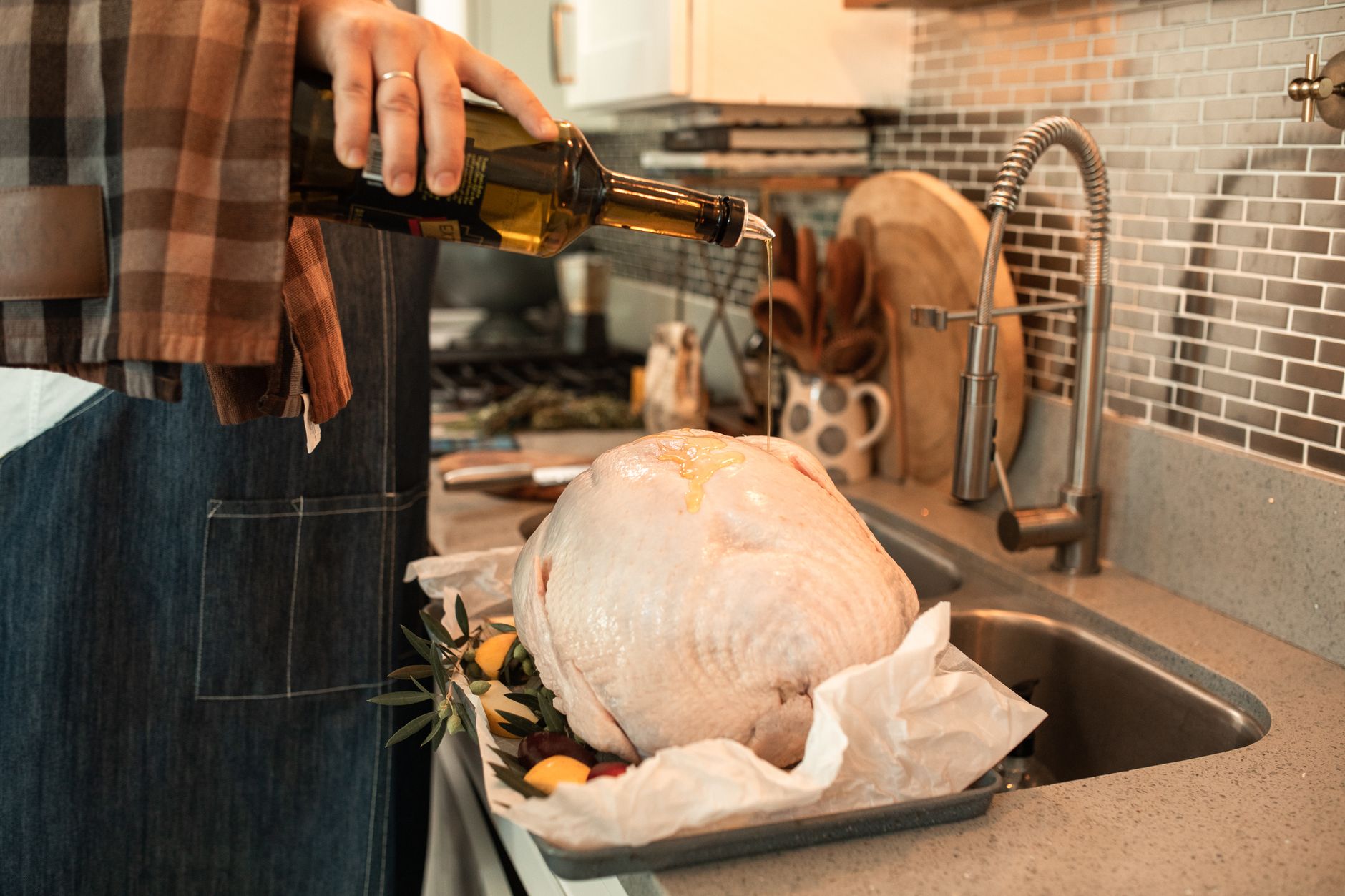
When preparing a turkey for cooking, a common question arises: should you wash a turkey before cooking it? This question sparks debate among home cooks and chefs alike. Understanding the proper handling and preparation techniques can ensure a delicious, safe meal. In this article, we will discuss the science behind washing poultry, proper turkey preparation methods, cooking tips, and serving suggestions.
By the end of this article, you will know whether you should wash a turkey, the reasons behind that choice, and how to safely prepare and cook your turkey for maximum flavor and safety.
Do You Wash a Turkey?
No, you should not wash a turkey before cooking it. Washing raw poultry can actually increase the risk of spreading harmful bacteria around your kitchen. When water splashes off, it can contaminate surfaces, utensils, and other food items. Instead, proper cooking techniques will eliminate any bacteria present.
The Risks of Washing Raw Turkey
Washing raw turkey is a practice that has been disputed by food safety experts. Here are some reasons why it is not recommended:
- Cross-Contamination: Washing raw turkey can lead to cross-contamination. Bacteria such as Salmonella and Campylobacter are often present on raw poultry. Water splashes from washing can transfer these bacteria to kitchen countertops, utensils, and other food items.
- Effective Cooking: Cooking turkey to the proper temperature is the most effective way to kill harmful bacteria. The USDA states that all poultry should be cooked to an internal temperature of 165°F (74°C) to ensure safety.
- Misleading Cleanliness: Many people mistakenly believe that washing poultry removes dirt and bacteria. However, the FDA and USDA recommend against this practice, emphasizing that the cooking process is the only reliable method for ensuring food safety.
Preparing the Turkey for Cooking
Now that we understand the importance of not washing turkey, let’s focus on how to prepare it properly for cooking.
Gather Your Equipment and Supplies
Before you start the preparation process, gather the following equipment and supplies:
- Cutting board
- Sharp knife
- Large roasting pan
- Meat thermometer
- Paper towels
- Rubber gloves (optional)
Thawing the Turkey
One of the most critical steps in preparing a turkey is proper thawing. The safest method is to thaw the turkey in the refrigerator. This method takes time, so plan ahead:
- Allow 24 hours of thawing time for every 4 to 5 pounds of turkey.
- For example, a 12-pound turkey will take approximately three days to thaw in the refrigerator.
- If you need to use a faster method, you can thaw the turkey in cold water. Submerge the turkey in its packaging in cold water, changing the water every 30 minutes. Allow 30 minutes of thawing time per pound.
Removing the Giblets and Neck
Once the turkey is thawed, carefully remove the giblets and neck from the cavity. These are often packaged in a bag and can include organs such as the liver and heart, which can be used to make gravy:
- Wear rubber gloves if desired for hygiene purposes.
- Reach into the cavity and locate the giblet bag and neck.
- Remove them and set them aside for later use if you’re making stock or gravy.
Pat the Turkey Dry
Instead of washing the turkey, pat it dry using paper towels. This helps achieve a crispy skin when roasting:
- Take several paper towels and gently pat the exterior of the turkey.
- Ensure you dry the cavity as well.
Seasoning the Turkey
Now it’s time to season the turkey. Proper seasoning enhances the flavor and aroma of the turkey. Here are some tips:
- Salt: Generously season the turkey with kosher salt, which helps to draw moisture out of the meat and enhances flavor.
- Herbs: Incorporate fresh herbs such as rosemary, thyme, and sage, which pair nicely with turkey. Rub them inside the cavity and under the skin if possible.
- Butter or Oil: Consider applying softened butter or olive oil to the skin for added flavor and moisture.
Cooking Your Turkey
Cooking a turkey can be done in various ways, including roasting, frying, or smoking. However, roasting is the most traditional method, especially for holidays. Here’s how to roast your turkey properly:
Roasting the Turkey
Ingredients
- 1 whole turkey (12-14 pounds)
- 1/2 cup kosher salt
- 1/4 cup olive oil or softened butter
- Herbs (rosemary, thyme, sage, etc.)
- Pepper to taste
Equipment
- Roasting pan
- Meat thermometer
- Aluminum foil
- Basters or spoon for basting
Method
- Preheat the oven: Preheat your oven to 325°F (163°C).
- Prepare the roasting pan: Place the turkey breast side up on a rack in a roasting pan.
- Season: Rub the turkey with the olive oil or butter and season generously with salt and pepper. Add herbs inside the cavity and under the skin if desired.
- Insert thermometer: Insert a meat thermometer into the thickest part of the turkey breast without touching the bone.
- Roast the turkey: Roast for about 13-15 minutes per pound. A 12-pound turkey should take around 2.5 to 3 hours to cook.
- Baste periodically: Baste the turkey every 30 minutes with the drippings from the pan to enhance moisture and flavor.
- Cover with foil: If the skin is browning too quickly, loosely cover the turkey with aluminum foil.
- Check doneness: The turkey is done when the meat thermometer reads 165°F (74°C) in the breast and 180°F (82°C) in the thigh.
- Rest: Remove the turkey from the oven and let it rest for 20-30 minutes before carving.
Common Mistakes to Avoid
When preparing and cooking turkey, several common mistakes can compromise flavor, texture, or safety:
- Not allowing enough thawing time: Ensure you allow enough time for the turkey to thaw completely in the refrigerator or cold water.
- Cooking at too high a temperature: Cooking too quickly can result in dry meat. Keep the oven at a consistent temperature.
- Over-basting: While basting can help keep the turkey moist, excessively opening the oven can lower the temperature and extend cooking time.
- Carving while too hot: Cutting into the turkey immediately after cooking can result in dry meat. Always let it rest to let juices redistribute.
Serving Tips for Your Turkey
Presentation and serving are key aspects of enjoying your meal:
- Carving: Use a sharp carving knife, and carve the turkey breast against the grain for tender slices. Remove the legs and wings next.
- Serving: Serve on a large platter along with your favorite sides, such as stuffing, cranberry sauce, and vegetables.
- Leftovers: Store leftover turkey in an airtight container in the refrigerator for up to four days. Use it in sandwiches, salads, or soups.
Make-Ahead Guidance
Many aspects of turkey preparation can be made ahead of time, making the cooking process easier:
- Brining: If brining your turkey, do it the night before cooking for maximum flavor and moisture.
- Side Dishes: Prepare side dishes in advance. Items like casseroles can be assembled a day ahead and baked while the turkey rests.
- Gravy: Make turkey gravy using the drippings from the pan. This can be done while the turkey is resting for a hassle-free addition to your meal.
Storage and Reheating Guidance
Proper storage and reheating of leftover turkey is essential to avoid foodborne illness:
- Refrigerate promptly: Store leftover turkey in the refrigerator within two hours of cooking.
- Bacterial Growth: Refrigerate leftovers below 40°F (4°C) and consume within four days.
- Reheating: When reheating turkey, aim for an internal temperature of 165°F (74°C) to ensure it’s safe to eat. Avoid reheating multiple times, as this can lead to dry meat.
With these guidelines, you should feel equipped to successfully prepare, cook, and serve a turkey while ensuring excellent flavor and safety for your meal. Remember, proper preparation and cooking techniques are key, and skipping the wash is crucial for food safety.
Now that you know how to handle and prepare a turkey, why not explore more about cooking times with our guide on how long to cook turkey per pound, or learn how to enhance flavor with a turkey brine recipe for smoking? Happy cooking!