
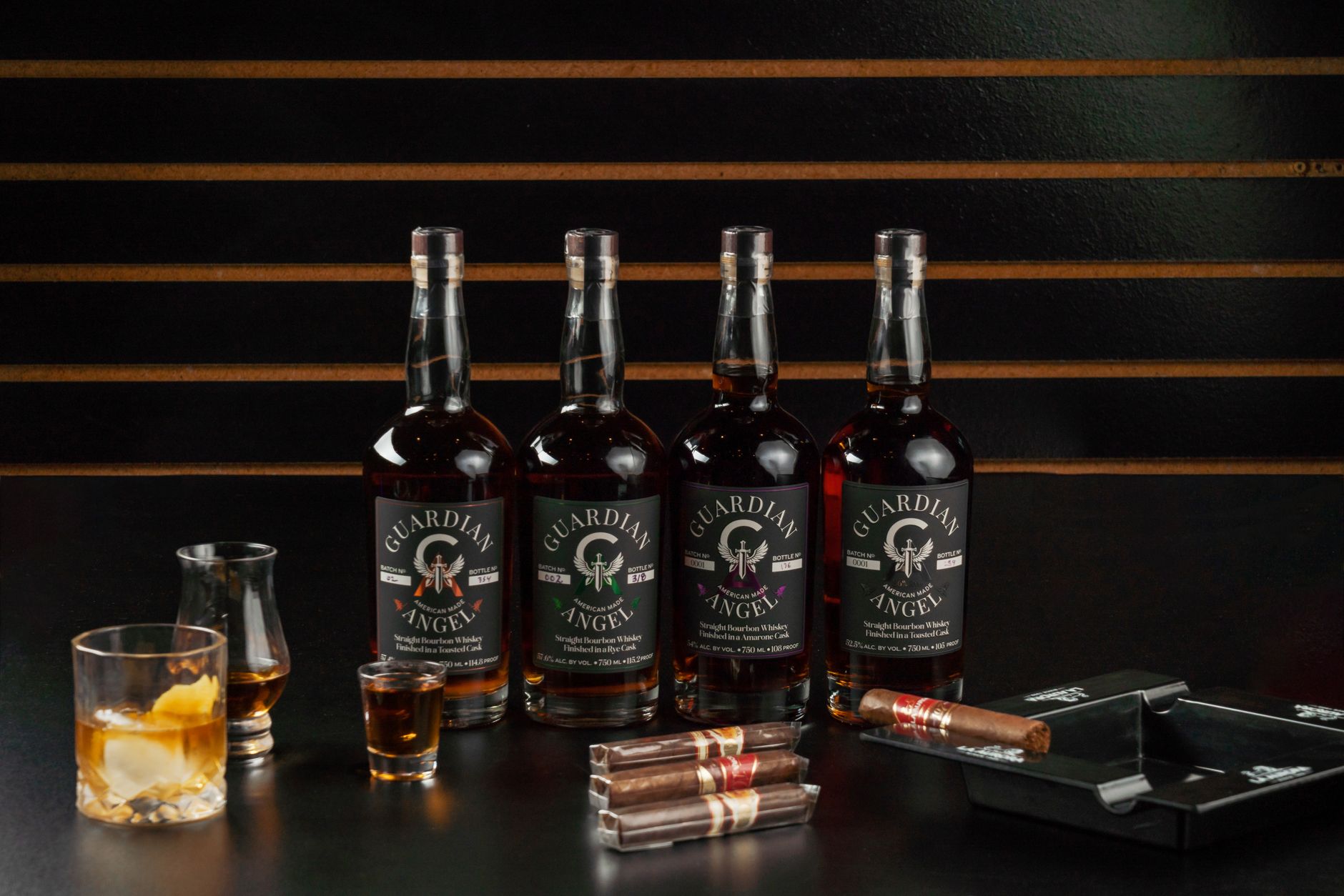
Understanding single barrel bourbon is essential for both enthusiasts and those new to the world of whiskey. This distinctive classification showcases the craftsmanship of bourbon producers and highlights the unique flavors that arise from the aging process in individual barrels. By delving into its origins, characteristics, and how it differs from other types of bourbon, you’ll gain a richer appreciation for this spirited beverage.
In this comprehensive guide, we will explore what makes single barrel bourbon unique, its history, production methods, notable brands, and how to properly enjoy it. Whether you’re looking to expand your whiskey knowledge or find the perfect bottle for your collection, this article is designed to inform and guide you through the fascinating world of single barrel bourbon.
What Does Single Barrel Bourbon Mean?
Single barrel bourbon refers to whiskey that is bottled from an individual barrel rather than being blended from multiple barrels. Each barrel produces a unique flavor profile, influenced by factors such as the wood type, charring level, and the environment in which it aged. This means that every bottle of single barrel bourbon can offer a distinct tasting experience.
The History of Single Barrel Bourbon
To appreciate single barrel bourbon, it’s essential to understand the history of bourbon itself. Bourbon has its roots in the late 18th century in the United States, specifically in Kentucky. The spirit gained popularity due to its rich flavor, smoothness, and the ability to be produced from corn, which was abundant in the region.
Single barrel bourbons began to emerge as producers sought to highlight the unique characteristics imparted by individual barrels. This practice allows distillers to showcase their craftsmanship and the influence of aging conditions on the final product. While the single barrel concept gained traction in the 20th century, it has become particularly popular among craft distillers in recent years, leading to a significant expansion in availability and variety.
The Production Process of Single Barrel Bourbon
The production of single barrel bourbon follows several key steps, each contributing to its unique profile:
- Grain Selection: Bourbon must be made from at least 51% corn; the remaining grains can include barley, rye, and wheat. The selection of these grains impacts the flavor.
- Mash Bill Creation: The mash bill is the specific recipe of grains used in the bourbon. Distillers may vary their mash bills to create different flavor profiles.
- Fermentation: After cooking the mash, yeast is added to ferment the sugars into alcohol. This step is crucial for flavor development.
- Distillation: The liquid is distilled to separate the alcohol from other components, typically in copper pot stills or column stills.
- Aging: Bourbon must be aged in new charred oak barrels. The aging time varies and greatly influences the final taste. Each barrel interacts differently with the whiskey, leading to unique characteristics.
- Bottling: For single barrel bourbon, the contents of one barrel are bottled without mixing with other barrels, allowing each bottle to possess its own distinct profile.
Characteristics of Single Barrel Bourbon
Single barrel bourbons are distinctive for several reasons:
- Flavor Diversity: Each barrel imparts different flavors, contributing notes of caramel, vanilla, oak, spice, and fruit. This diversity makes tasting single barrel bourbons a unique experience.
- Alcohol Content: Single barrel bourbons are typically bottled at a higher proof than standard bourbons, often ranging between 90 to 120 proof. This higher alcohol content can enhance the flavor but also requires careful sipping.
- Age Variations: The age of single barrel bourbons can vary significantly, affecting flavor depth. Older bourbons may develop more complex flavors, while younger ones can offer a fresher profile.
- Limited Editions: Many distilleries release limited single barrel editions, creating a sense of rarity and exclusivity.
How Single Barrel Bourbon Differs from Regular Bourbon
Understanding the key differences between single barrel bourbon and regular bourbon is crucial:
- Blending: Regular bourbon is often a blend of different barrels to achieve a consistent flavor profile, while single barrel bourbon showcases the characteristics of one specific barrel.
- Flavor Variation: Due to the nature of blending, regular bourbons tend to have a more uniform taste from batch to batch, whereas single barrel bourbons can vary widely.
- Price Point: Single barrel bourbons may be priced higher due to their limited availability and unique profiles, while regular bourbons are generally more accessible and consistent in pricing.
- Proof Levels: As referenced earlier, single barrel bourbons are frequently bottled at higher proof levels compared to their blended counterparts.
Notable Brands of Single Barrel Bourbon
Several distilleries are known for producing exceptional single barrel bourbons. Here is a curated list of notable brands you might consider:
- Buffalo Trace: Known for its rich history and exceptional quality, Buffalo Trace offers a range of single barrel bourbons that showcase the skill of their distillers.
- Evan Williams: Their single barrel expression has won numerous awards, providing a combination of sweetness and spice that’s hard to beat.
- Four Roses: With their unique recipes and production methodologies, Four Roses has transformed single barrel bourbon into an art form, offering various flavor profiles.
- Knob Creek: A part of the Jim Beam family, Knob Creek’s single barrel bourbon is known for its robust flavors and complexity.
- Wild Turkey: With its high proof offerings, Wild Turkey’s single barrel bourbon is rich, spicy, and often favored by enthusiasts.
Tasting Single Barrel Bourbon: How to Enjoy It
To fully appreciate single barrel bourbon, it’s important to know how to taste it correctly. Here are some steps to maximize your tasting experience:
- Choose the Right Glass: Use a Glencairn glass or a snifter to allow the aromas to collect at the top.
- Observe: Swirl the bourbon gently in the glass to see its viscosity; thicker legs can indicate higher proof and flavor intensity.
- Smell: Take a moment to inhale the aromas. Look for dominant scents like caramel, vanilla, or spice. Don’t rush this step, as much of tasting actually comes from smelling.
- Taste: Take a small sip and let it coat your palate. Pay attention to the initial flavors followed by the finish. Note any evolution of flavors over time.
- Water or Ice (Optional): If the bourbon is too strong, consider adding a drop of water or a single ice cube to open up the flavors.
Common Mistakes When Tasting Single Barrel Bourbon
While enjoying bourbon can be a fulfilling experience, common mistakes can detract from the enjoyment:
- Rushing the Process: Don’t rush through tasting. Take your time to explore the flavors and aromas.
- Using the Wrong Glass: Using a wide tumbler can mask the aromas, reducing the tasting experience.
- Over-diluting: Be cautious with water or ice; too much can mute the flavors.
- Compare and Contrast: Tasting multiple bourbons in one sitting can cause palate fatigue. Limit the number of spirits per session.
Cooking with Single Barrel Bourbon
Beyond enjoying single barrel bourbon neat or in a cocktail, it can be an excellent ingredient in cooking. Bourbon glazes, sauces, or marinades can add a complex flavor to meats and desserts. Here are a couple of ideas on how to incorporate it into recipes:
Bourbon-Glazed Carrots
This side dish takes advantage of bourbon’s sweet and spicy character to elevate ordinary carrots into a standout dish.
- Ingredients:
- 1 lb baby carrots
- 2 tablespoons butter
- 1/4 cup brown sugar
- 1/4 cup single barrel bourbon
- 1 teaspoon ground cinnamon
- Salt and pepper to taste
- Instructions:
- In a saucepan, melt butter over medium heat.
- Add brown sugar and stir until melted.
- Stir in bourbon and cinnamon, then add the baby carrots.
- Cook for about 10-15 minutes, stirring occasionally, until carrots are tender and glazed.
- Season with salt and pepper before serving.
Storage and Shelf Life of Single Barrel Bourbon
Proper storage is essential for maintaining the quality of single barrel bourbon. Here are some tips:
- Keep It Upright: Store bourbon upright to prevent the cork from deteriorating.
- Avoid Direct Sunlight: Store in a cool, dark place to protect it from heat and light.
- Check the Seal: Ensure the bottle is sealed tightly to prevent oxidation.
- Understand Shelf Life: Unlike wine, bourbon does not improve with age once bottled, but it won’t spoil if stored correctly. Consume within ten years for optimal quality.
Final Thoughts on Single Barrel Bourbon
Single barrel bourbon represents a deep-rooted tradition steeped in craftsmanship and individuality. By understanding its unique characteristics, production processes, and ways to enjoy it, you’ll enrich your appreciation of this iconic American spirit. Keep exploring different brands and expressions, as there’s always something new to discover.
Whether you savor it neat, incorporate it into your cooking, or enjoy it in a cocktail, single barrel bourbon opens doors to unique flavor experiences. As you dive deeper into this world, it’s not just about tasting – it’s about appreciating the stories, effort, and artistry that each bottle represents.
For more recipes to enjoy bourbon, check out our bourbon glaze recipe and refresh your experience with a whiskey sour recipe. These dishes will complement the flavors of single barrel bourbon beautifully.