
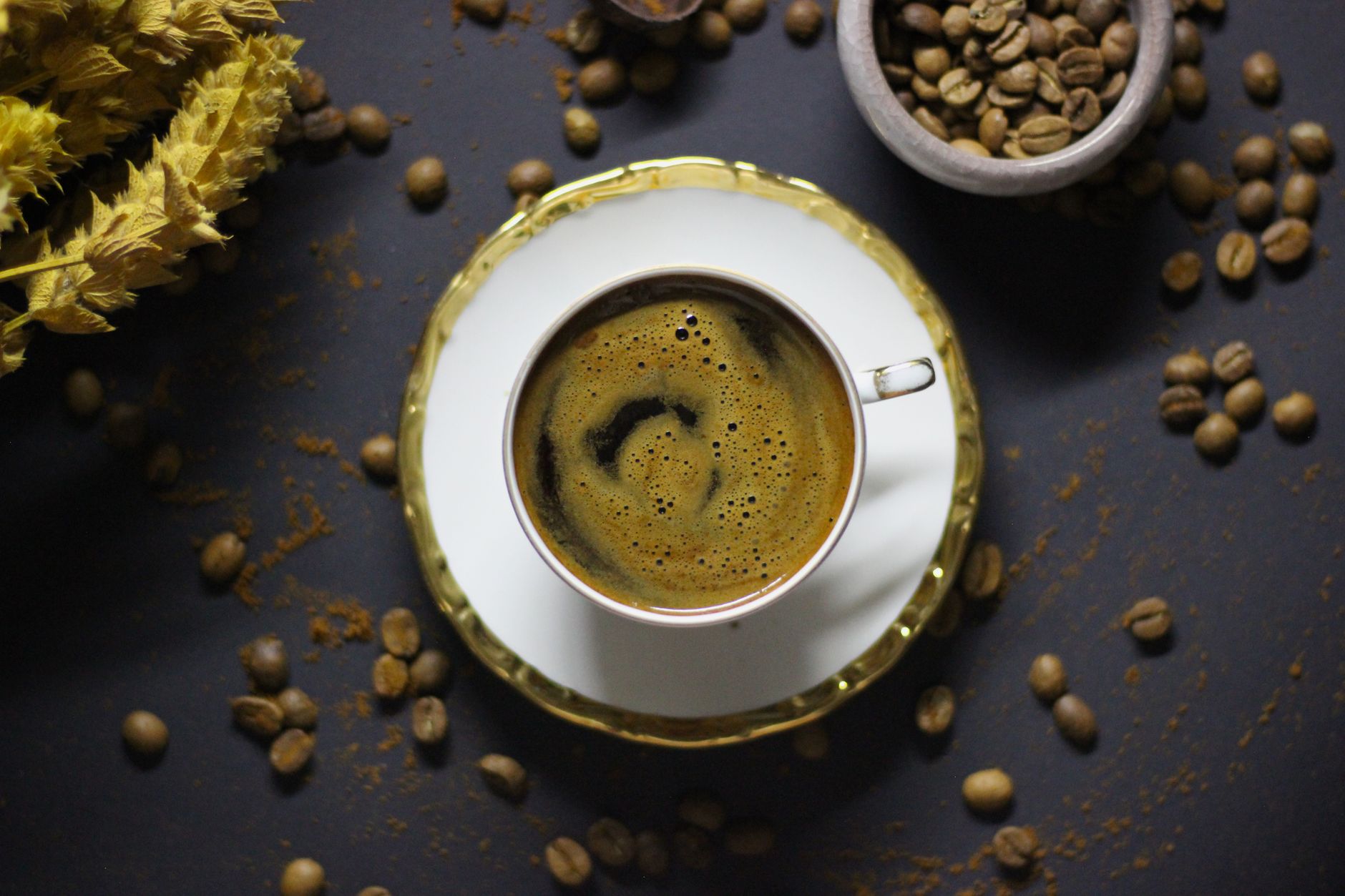
Black coffee is a popular beverage enjoyed by many for its robust flavor and stimulating effects. Beyond its invigorating qualities, there’s growing interest in how black coffee impacts health, particularly gut health. This article delves into whether black coffee is beneficial for your digestive system, its nutritional components, and recommendations for consumption.
Understanding the complex relationship between what we consume and our gut health is essential. This guide covers the positive and negative aspects of black coffee on gut health, its nutritional profile, and practical tips for including it in a balanced diet.
Is Black Coffee Good for Gut Health?
Yes, black coffee can be good for gut health when consumed in moderation. It contains compounds that may promote beneficial gut bacteria and enhance digestion. However, excessive intake might lead to digestive discomfort for some individuals.
What’s in Black Coffee?
Before analyzing how black coffee affects gut health, it’s essential to look at its nutritional components. Here are some key elements found in black coffee:
- Antioxidants: Black coffee is packed with antioxidants, which can combat oxidative stress and inflammation in the gut.
- Caffeine: The primary stimulant in coffee, caffeine can enhance metabolic processes and promote digestive functioning.
- Chlorogenic Acid: This compound may help regulate glucose metabolism and support gut health by acting as a prebiotic.
- Other Nutrients: Black coffee contains small amounts of vitamins and minerals such as riboflavin, niacin, potassium, and magnesium.
Positive Effects of Black Coffee on Gut Health
Research suggests several potential benefits of black coffee for gut health, including:
1. Enhances Digestion
Caffeine stimulates the production of stomach acid, which can improve the digestive process. This effect can be helpful for those with slower digestion, aiding in breaking down food more efficiently.
2. Promotes Gut Microbiota
Recent studies indicate that coffee consumption may help foster beneficial gut bacteria. A diverse gut microbiome is crucial for overall health, aiding in digestion, metabolism, and immune function.
3. Reduces the Risk of Certain Gut Diseases
Some research has suggested that regular coffee drinkers have a lower risk of developing certain gastrointestinal conditions, such as liver disease. The antioxidants and anti-inflammatory properties of coffee may play a role in this protective effect.
4. May Act as a Prebiotic
Components like chlorogenic acids may serve as prebiotics, which feed beneficial gut bacteria. A healthy balance of gut bacteria is essential for optimal digestive function and overall health.
Potential Drawbacks of Black Coffee on Gut Health
While black coffee has many potential benefits, it’s not entirely without drawbacks. Here are some concerns to be aware of:
1. May Cause Digestive Discomfort
For some individuals, coffee can lead to digestive issues such as acid reflux, heartburn, or upset stomach. This is often due to increased stomach acid production that may irritate the digestive tract.
2. Risks of Overconsumption
Excessive coffee consumption can lead to negative outcomes such as increased anxiety, restlessness, and heightened digestive sensitivity. It is generally advised to keep coffee intake to a moderate level.
3. Caffeine Dependence
Regularly consuming large amounts of caffeine can lead to dependence, making it difficult for some to start their day without coffee. Withdrawal symptoms may include headaches and fatigue, which can adversely affect overall well-being.
Recommended Portions of Black Coffee
The ideal amount of black coffee varies from person to person, depending on factors such as metabolism, tolerance to caffeine, and overall health. Here are some guidelines to consider:
- Moderate Consumption: Most health experts recommend limiting coffee intake to around 3 to 4 cups per day (approximately 400 mg of caffeine). This amount is often associated with the best health benefits, including gut health.
- Timing: Pay attention to when you consume coffee. Drinking coffee too late in the day can disrupt sleep, which may, in turn, negatively impact gut health.
- Hydration: Balance coffee consumption with adequate hydration. Coffee can have a mild diuretic effect, so drinking water alongside coffee is essential to maintain hydration.
Ways to Enjoy Black Coffee
Integrating black coffee into your diet can be simple and delicious. Here are some practical and enjoyable methods to make the most of this beverage:
1. Brew It Fresh
Freshly brewed coffee not only tastes great but also retains the most nutrients. Invest in a good quality coffee maker or try manual brewing methods such as pour-over or French press.
2. Experiment with Flavor
While black coffee is often enjoyed on its own, adding cinnamon or cocoa powder can enhance its flavor and provide additional health benefits. Both additions contain antioxidants and may support gut health.
3. Use Quality Beans
Opt for high-quality, organic coffee beans, as they may contain a higher concentration of beneficial compounds. Pay attention to the roast level, as lighter roasts typically preserve more antioxidants.
4. Limit Added Sugars and Creams
While you may be tempted to add sugar or cream, these additions can counteract some of the health benefits of black coffee. If you find black coffee too bitter, consider natural sweeteners or milk alternatives.
Who Should Avoid or Limit Black Coffee?
Although many can enjoy black coffee without issues, certain individuals should consider limiting their intake:
- Pregnant Individuals: High caffeine intake during pregnancy may pose risks. It’s best to consult with a healthcare provider regarding safe levels.
- Individuals with Acid Sensitivity: Those prone to gastroesophageal reflux disease (GERD) or other acid-related issues may need to limit coffee intake.
- People with Anxiety Disorders: The stimulating effects of caffeine may exacerbate anxiety symptoms for some individuals.
Conclusion
Black coffee can be a beneficial addition to your diet and potentially support gut health when consumed in moderation. Its antioxidant content, ability to enhance digestion, and potential positive effects on gut microbiota make it a noteworthy beverage. However, it’s important to listen to your body and adjust your intake based on your personal health needs.
Explore related recipes or cooking tips, such as the Protein Coffee Recipe and Chia Pudding Recipe with Coconut Milk, to find more ways to enjoy healthy drinks!