
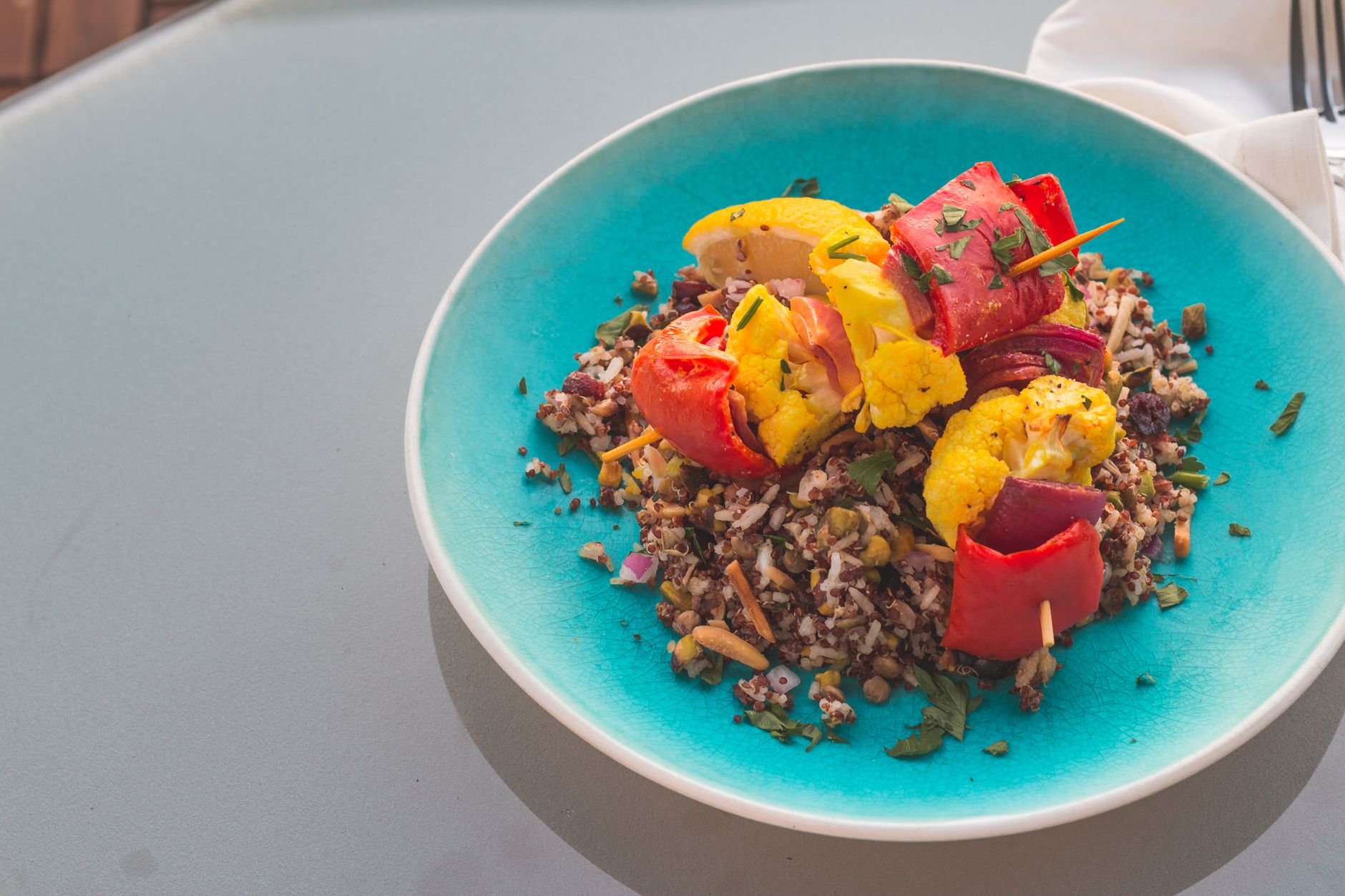
Complete proteins are crucial for our nutrition, as they provide all nine essential amino acids that our bodies cannot produce on their own. Understanding complete proteins can help you make informed dietary choices, enhance your meals, and improve overall health.
This article explores what complete proteins are, their sources, culinary uses, and tips for incorporating them into your diet. You’ll find practical information to help you plan nutritious, protein-rich meals.
What Are Complete Proteins?
Complete proteins contain all nine essential amino acids necessary for human health. These amino acids play vital roles, including building muscle, repairing tissues, and supporting the immune system. Foods that provide complete proteins include most animal products, some plant sources, and various combinations of foods.
Why Are Complete Proteins Important?
Complete proteins are important for several reasons: they support muscle growth and repair, enhance metabolic function, and contribute to maintaining a healthy immune system. Without sufficient complete protein intake, individuals may face muscle loss, fatigue, and weakened immune response.
Sources of Complete Proteins
Animal Sources
Animal-based foods generally provide complete proteins. Here are some common sources:
- Meat: Chicken, beef, pork, lamb, and game meats
- Fish and Seafood: Salmon, tuna, shrimp, and other seafood
- Dairy: Milk, cheese, yogurt, and other dairy products
- Eggs: Whole eggs, often considered one of the best sources
Plant Sources
While most plant proteins are incomplete, a few are complete on their own:
- Quinoa: A gluten-free seed often used as a grain
- Soy products: Tofu, tempeh, and edamame
- Chia seeds: Nutritious seeds that can be added to various dishes
- Hemp seeds: Rich in omega fatty acids and protein
- Spirulina: A blue-green algae that can be consumed in powder or supplement form
Combining Incomplete Proteins
Many plant-based proteins are incomplete, meaning they lack one or more essential amino acids. However, by combining certain foods, you can create complete proteins:
- Rice and beans: A classic combination that provides a complete amino acid profile
- Peanut butter on whole-grain bread: A tasty, nutritious snack
- Lentils and quinoa: A protein-packed meal option
Taste and Texture of Complete Proteins
Animal-Based Complete Proteins
Animal proteins typically have a rich, savory flavor profile that can range from mild to robust, depending on the cooking method and seasoning. The texture can vary greatly:
- Meat: From tender chicken breasts to juicy steaks, the mouthfeel is satisfying and hearty.
- Fish: Flaky and tender, fish can provide a lighter texture compared to heavier meats.
- Dairy: Creamy and smooth, dairy products like yogurt can be rich, while cheeses can be crumbly or firm.
- Eggs: Versatile in preparation, eggs can be fluffy, creamy, or even crispy when cooked in different ways.
Plant-Based Complete Proteins
Plant-based complete proteins offer a range of flavors and textures, often lighter than their animal counterparts:
- Quinoa: A slightly nutty flavor with a fluffy texture when cooked.
- Tofu: Mild in taste, tofu absorbs flavors from marinades and seasonings. Its texture can vary from silky to firm.
- Chia seeds: When hydrated, they create a gelatinous texture that can be added to smoothies and puddings.
Kitchen Uses for Complete Proteins
Incorporating complete proteins into your meals can be quite easy, whether you’re preparing a hearty breakfast, a light lunch, or a homemade dinner. Here are some ways to use these proteins in your cooking:
Breakfast Ideas
- Omelets: Whip up an omelet with eggs, cheese, and diced veggies for a protein-packed start to your day.
- Quinoa Porridge: Cook quinoa in milk or water, adding nuts and fruits for a nutritious breakfast bowl.
- Greek Yogurt Parfait: Layer Greek yogurt with fresh fruits and granola for a tasty morning treat.
Lunch Options
- Grain Bowls: Combine cooked quinoa, roasted vegetables, and a protein source like grilled chicken or tofu.
- Salads: Incorporate edamame or chickpeas to provide complete protein along with leafy greens.
- Wraps: Use whole-grain tortillas to wrap deli meats, hummus, or tofu with fresh veggies.
Dinner Dishes
- Stir-Fries: Sauté your choice of meat or tofu with a mix of colorful vegetables and serve with rice or quinoa.
- Chili: Incorporate ground beef or turkey along with kidney beans for a warm, protein-rich dish.
- Grilled Fish: Serve grilled salmon with steamed vegetables and a side of quinoa or brown rice.
Practical Tips for Cooking with Complete Proteins
Substitutions
When adapting recipes or planning meals, here are some practical substitutions for complete proteins:
- Tofu for Chicken: Use firm tofu in stir-fries for a plant-based complete protein.
- Quinoa for Rice: Substitute quinoa for rice in bowls or salads for added protein.
- Greek Yogurt for Sour Cream: A healthier option with more protein in dips and dressings.
Common Mistakes and Troubleshooting
Cooking protein-rich dishes can be easy, but here are a few common pitfalls to avoid:
- Overcooking Meat: Use a meat thermometer to check for doneness, especially with chicken and beef.
- Undercooking Tofu: Ensure tofu is heated through and slightly golden for better texture.
- Neglecting Seasoning: Season proteins well to enhance their natural flavors, especially when using plain tofu or quinoa.
Storage and Meal Prep for Complete Proteins
Meal prep is a great way to ensure you have complete protein options ready for quick meals. Here are some storage and prep tips:
Cooking in Batches
- Cook Grains: Prepare a large batch of quinoa or brown rice at the beginning of the week to use in various meals.
- Marinate Proteins: Marinate chicken, tofu, or fish in advance to enhance flavor and tenderize.
- Batch Cook Beans: Dry beans can be prepared in bulk and stored for quick additions to meals.
Storage Guidelines
- Refrigerate Cooked Proteins: Store cooked meat, tofu, and grains in airtight containers in the fridge and consume within 3-4 days.
- Freezing: Cooked proteins can be frozen for longer storage but are best consumed within three months for optimal quality.
- Thawing Safely: Always thaw frozen proteins in the refrigerator or microwave, never at room temperature.
Nutrition and Dietary Preferences
Complete proteins are versatile and can cater to various dietary preferences, including vegetarian and omnivorous diets. Here are a few considerations:
Vegetarian and Vegan Options
For individuals adhering to vegetarian or vegan diets, consider these complete protein sources:
- Include soy products, such as tofu or tempeh, for versatile cooking options.
- Try combinations like lentils and rice to create hearty meals.
- Incorporate quinoa, chia, and hemp for salads, pancakes, or smoothies.
Allergies and Intolerances
When navigating allergies, it’s crucial to identify protein sources that work for you:
- For those allergic to dairy, almond or coconut yogurt can replace Greek yogurt.
- Check for soy allergies when incorporating tofu or tempeh.
- Consult with a healthcare professional for personalized dietary adjustments.
Conclusion
Complete proteins are vital for a balanced diet and play an essential role in our overall health. By understanding their sources and culinary uses, you can effectively incorporate them into your meals. Whether you choose animal-based or plant-based options, aiming for a variety of complete proteins will ensure you’re meeting your nutritional needs.
Explore related recipes and food guides to enhance your culinary experiences. Check out our delicious protein brownies recipe or try these satisfying protein cookies recipe for nutritious snacking options.