
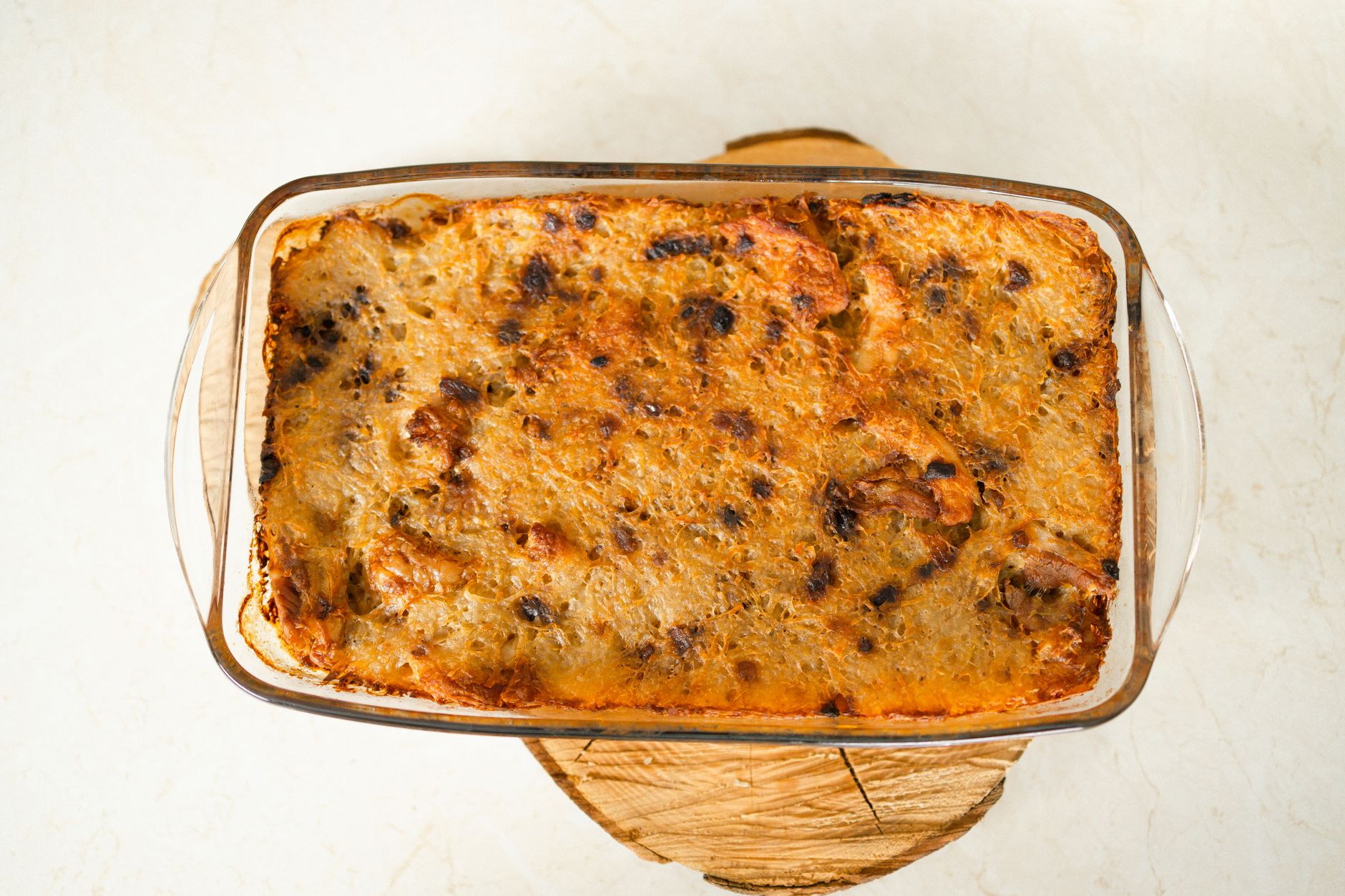
Meatloaf is a classic comfort food that has warmed hearts and filled bellies for generations. With its rich flavors and hearty texture, it’s not only delicious but also versatile, making it suitable for various occasions. A key aspect of perfecting meatloaf is knowing the optimal temperature to bake it, ensuring it’s cooked through while maintaining its moisture.
This practical guide will delve into what temperature to bake meatloaf, along with timing and doneness checks. Additionally, we will cover tips, variations, and troubleshooting to help you create the perfect meatloaf every time.
What Temp to Bake Meatloaf?
The ideal temperature to bake meatloaf is 350°F (175°C). At this temperature, meatloaf cooks evenly without drying out. Baking at a lower temperature may result in undercooking, while higher temperatures can lead to a dry exterior. Using this temperature ensures a juicy, flavorful meatloaf with a well-cooked interior.
Understanding Meatloaf Composition
Before diving into baking temperatures and techniques, it’s helpful to understand the components of a traditional meatloaf. Typically, meatloaf is made from ground meat, breadcrumbs, eggs, and seasonings. The combination can vary widely, with people incorporating different meats, vegetables, and spices to create their unique twist.
Main Ingredients
- Ground Meat: Commonly beef, but turkey, pork, and chicken can also be used.
- Bread Crumbs: These help bind the ingredients and absorb moisture.
- Eggs: They act as a binder and provide structure.
- Seasonings and Vegetables: Onions, garlic, herbs, and spices enhance flavor.
Essential Equipment
- Mixing bowl
- Loaf pan or baking dish
- Meat thermometer
- Aluminum foil (optional)
Preparation and Cooking Steps
Making meatloaf is a straightforward process. Here’s a step-by-step guide on how to prepare and bake meatloaf at the recommended temperature of 350°F.
Step-by-Step Instructions
- Preheat the Oven: Start by preheating your oven to 350°F (175°C). A hot oven is crucial for even cooking.
- Combine Ingredients: In a mixing bowl, combine your ground meat, breadcrumbs, beaten eggs, chopped onions, minced garlic, and any additional spices or vegetables.
- Mix Thoroughly: Using your hands or a spoon, mix the ingredients until well combined. Be careful not to over-mix, as this can lead to a dense meatloaf.
- Shape the Loaf: Transfer the mixture to a loaf pan or shape it into a loaf and place it in a baking dish. Ensure it is of even thickness for consistent cooking.
- Optional Glaze: If desired, create a glaze with ketchup, brown sugar, and Worcestershire sauce and spread it over the top of the meatloaf.
- Bake: Place the loaf in the preheated oven and bake for approximately 1 hour, or until the internal temperature reaches 160°F (71°C).
- Rest Before Slicing: Remove the meatloaf from the oven and let it rest for at least 10 minutes before slicing. This helps the juices redistribute and prevents it from falling apart.
Timing and Doneness
The cooking time for meatloaf can vary based on its size and thickness. As a general rule, a 2-pound meatloaf will take approximately 1 hour to cook at 350°F. To ensure it’s properly cooked, use a meat thermometer to check the internal temperature.
Doneness Guidelines
Meatloaf should reach an internal temperature of 160°F (71°C) to be considered safe to eat. Here’s a quick guide for doneness:
- 160°F (71°C): Fully cooked and safe to eat.
- Over 165°F (74°C): Still safe but may start to dry out.
For reference, the USDA recommends cooking ground meat to a minimum internal temperature of 160°F to prevent any foodborne illnesses.
Variations and Flavor Enhancements
Meatloaf is highly adaptable. Here are some popular variations and tips to enhance flavor:
Meat Varieties
- Turkey Meatloaf: A healthier alternative; may need additional moisture such as broth or vegetables.
- Beef and Pork Mix: Combining ground beef with pork sausage adds richness and moisture.
- Vegetarian Meatloaf: Substitute meat with lentils, beans, or crushed mushrooms. Ensure to adjust cooking times accordingly.
Flavor Boosters
- Cheese: Add shredded cheese for creaminess; mix it in or use it as a filling.
- Herbs and Spices: Experiment with fresh herbs like basil or parsley, or add spices like smoked paprika for depth of flavor.
- Vegetables: Finely chop bell peppers, spinach, or zucchini to add moisture and nutrients. If adding heavier vegetables, ensure they are sautéed first for proper cooking.
Common Mistakes and Troubleshooting
Even the most seasoned cooks can encounter challenges when making meatloaf. Here are some common mistakes and how to avoid them:
Common Mistakes
- Dry Meatloaf: This often occurs from overcooking or using lean meat without adding moisture. Incorporate eggs, broth, or vegetables to help retain moisture.
- Dense Texture: Over-mixing can lead to a tough meatloaf. Mix until just combined.
- Cracked Top: This may happen from cooking at too high of a temperature or not enough binding agents. Cover with foil during the first half of the cooking time if needed.
Troubleshooting Tips
- If the meatloaf is undercooked, return it to the oven and cook in 10-minute increments, checking the temperature each time.
- For even baking, shape the meatloaf uniformly; a thicker center will take longer to cook than thinner edges.
Storage and Reheating
Leftover meatloaf can be stored in the refrigerator for up to three to four days. For optimal freshness, allow it to cool completely before refrigerating. To freeze, slice the meatloaf and wrap it tightly in foil or plastic wrap, then place it in an airtight container.
Reheating Guidelines
- Oven Method: Preheat your oven to 350°F (175°C). Place the slices in a baking dish, cover with foil, and heat for about 20-25 minutes or until warmed through.
- Microwave Method: Place individual slices on a microwave-safe plate, cover with a damp paper towel, and heat on medium power for 1-2 minutes, checking for doneness.
Serving Suggestions
Meatloaf can be enjoyed in various ways. Here are some serving suggestions to elevate your meal:
- Serve with classic sides like mashed potatoes, green beans, or a fresh salad.
- Slice and place on whole-grain bread to create a meatloaf sandwich, perfect for lunch.
- Top with barbecue sauce or a rich mushroom gravy for added flavor.
Pair your meatloaf with a refreshing glass of iced tea or a light red wine, which can help cut through the richness of the dish.
Make-Ahead Tips
Meatloaf is an excellent dish to prepare ahead of time. Here’s how:
- Prepare the meat mixture up to a day in advance and store it in the refrigerator until ready to bake.
- Freeze the uncooked meatloaf; when ready to bake, thaw overnight in the fridge and cook as instructed.
The next time you’re in the mood for a hearty meal, remember these tips on what temp to bake meatloaf, along with the timing and doneness checks to ensure a delicious, warm dish. The versatility, ease of preparation, and comforting flavors make meatloaf a family favorite.
For more on how to optimize your meatloaf cooking experience, check out our guides on how long to cook meatloaf at 375 or spice it up with our meatloaf sauce recipe.