
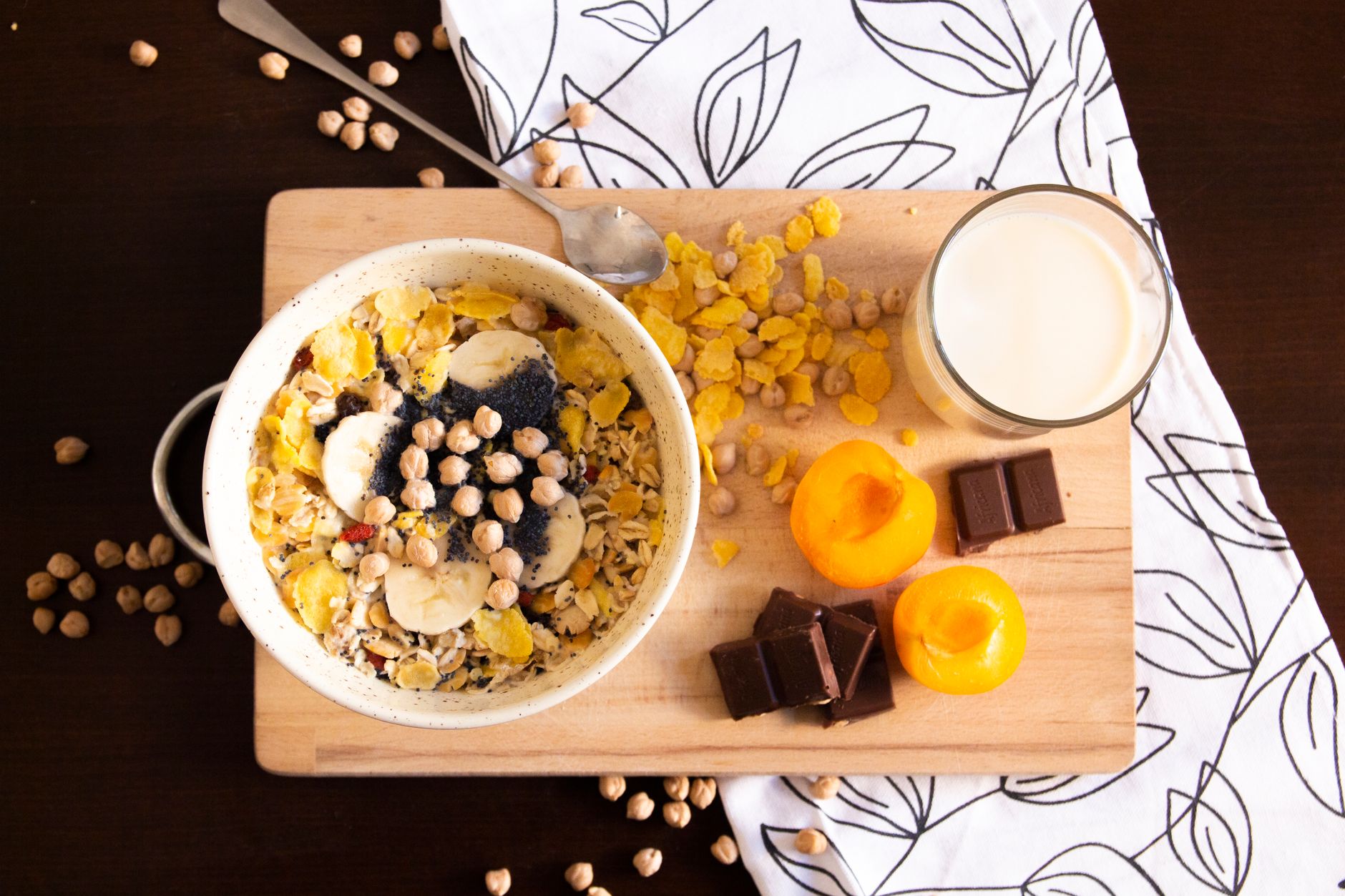
Vitamin B6, also known as pyridoxine, is an essential nutrient important for various bodily functions. It plays a crucial role in protein metabolism, cognitive development, and immune function. But where can you find it in your diet? This article explores vitamin B6-rich foods and tips for incorporating them into your meals.
Understanding the sources of vitamin B6 not only enhances your nutritional knowledge but also helps you make informed dietary choices. Below, we will break down essential foods high in vitamin B6, their nutritional benefits, serving sizes, and suggestions for meal-planning.
What Has Vitamin B6?
Foods rich in vitamin B6 include various meats, fish, whole grains, legumes, nuts, seeds, fruits, and vegetables. Some specific examples include chicken, turkey, tuna, potatoes, bananas, and fortified cereals. Utilizing these ingredients can help maintain a balanced diet while fulfilling your vitamin B6 requirements.
Sources of Vitamin B6
Vitamin B6 is prevalent in both animal and plant-based foods. Here is a comprehensive list of some of the best sources:
- Poultry: Chicken and turkey are among the best sources, providing around 30% of the daily value per serving.
- Fish: Tuna, salmon, and other fish provide a substantial amount of vitamin B6.
- Meat: Beef and organ meats like liver are extremely rich in this vitamin.
- Whole grains: Foods such as brown rice and oats can contribute to your vitamin B6 intake.
- Legumes: Chickpeas, lentils, and peanuts are great plant-based options.
- Nuts and seeds: Sunflower seeds, pistachios, and walnuts contain good amounts of vitamin B6.
- Fruits: Bananas and avocados are particularly high, along with other fruits like prunes and watermelon.
- Vegetables: Potatoes and spinach are excellent sources of this vitamin.
- Fortified cereals: Many breakfast cereals come fortified with additional vitamins, including B6.
Nutritional Benefits of Vitamin B6
Including vitamin B6 in your diet comes with a range of potential benefits:
- Metabolism Support: Vitamin B6 is critical in metabolizing proteins, carbohydrates, and fats energy efficiently.
- Cognitive Function: Essential for neurotransmitter synthesis, adequate levels may support brain health.
- Immune Function: It helps produce antibodies, maintaining healthy immune responses.
- Hormonal Regulation: Vitamin B6 aids in regulating hormones, possibly alleviating symptoms of PMS.
- Cardiovascular Health: It can help lower levels of homocysteine, an amino acid linked to heart disease.
Recommended Daily Allowance (RDA) of Vitamin B6
The RDA for vitamin B6 varies by age, gender, and life stage:
- Adults (19-50 years): 1.3 mg per day
- Men (51 years and older): 1.7 mg per day
- Women (51 years and older): 1.5 mg per day
- Pregnant women: 1.9 mg per day
- Lactating women: 2.0 mg per day
Vitamin B6 Serving Sizes in Common Foods
For effective meal planning, it’s crucial to understand portion sizes. Below are serving sizes and their vitamin B6 content:
| Food Item | Serving Size | Vitamin B6 Content (mg) |
|---|---|---|
| Chicken breast (cooked) | 3 oz | 0.5 |
| Tuna (canned) | 3 oz | 0.8 |
| Potato (baked with skin) | 1 medium | 0.4 |
| Banana | 1 medium | 0.4 |
| Chickpeas (cooked) | 1 cup | 0.6 |
| Fortified breakfast cereal | 1 cup | 0.5 – 1.0 |
| Sunflower seeds | 1 oz | 0.3 |
| Spinach (cooked) | 1 cup | 0.4 |
How to Incorporate Vitamin B6 into Your Diet
Now that you know where to find vitamin B6, let’s explore some practical ways to include these foods in your daily meals:
Breakfast Options
Starting your day with vitamin B6-rich foods can offer a nutritious foundation:
- Fortified Cereal with Bananas: A quick breakfast that pairs your cereal’s added nutrients with fresh banana slices.
- Oatmeal with Sunflower Seeds: A warm bowl of oatmeal topped with sunflower seeds and some fruits for added flavor.
Lunch Ideas
Incorporating vitamin B6 into your lunch can enhance your energy levels:
- Chickpea Salad: A hearty salad featuring chickpeas mixed with vegetables and a lemon vinaigrette for freshness.
- Turkey Wrap: Lean turkey wrapped in a whole-grain tortilla with plenty of fresh vegetables.
Dinner Recipes
For dinner, consider these options packed with flavor and vitamin B6:
- Grilled Salmon: Salmon fillet seasoned and grilled, served with steamed spinach and roasted potatoes.
- Stir-Fried Chicken with Veggies: Quick-cooked chicken with bell peppers, broccoli, and a soy sauce glaze over brown rice.
Snacks and Desserts
To boost your vitamin B6 intake during snack time, try:
- Peanut Butter on Whole-Grain Toast: A simple snack combining the protein found in peanut butter with the fiber of whole-grain bread.
- Avocado Toast: A trendy snack that serves as a delicious Vitamin B6 source.
Meal Planning with Vitamin B6
When planning meals, consider the variety of vitamin B6 sources available. Here’s a sample one-week meal plan enriched with vitamin B6:
Sample Meal Plan
- Day 1:
- Breakfast: Fortified cereal with berries
- Lunch: Tuna salad
- Dinner: Grilled chicken with sautéed spinach
- Day 2:
- Breakfast: Scrambled eggs with avocado
- Lunch: Quinoa salad with chickpeas and vegetables
- Dinner: Baked salmon with roasted potatoes
- Day 3:
- Breakfast: Oatmeal with banana and nuts
- Lunch: Turkey wrap with assorted veggies
- Dinner: Stir-fried beef with brown rice and broccoli
- Day 4:
- Breakfast: Smoothie with spinach and banana
- Lunch: Lentil soup
- Dinner: Chicken taco with avocado and salsa
- Day 5:
- Breakfast: Yogurt with granola and sliced fruits
- Lunch: Spinach salad with chickpeas
- Dinner: Baked sweet potato with tuna
- Day 6:
- Breakfast: Smoothie bowl with toppings
- Lunch: Quinoa and vegetable bowl
- Dinner: Shrimp stir-fry with vegetables and rice
- Day 7:
- Breakfast: Egg muffins with spinach and cheese
- Lunch: Whole grain bread with peanut butter and banana
- Dinner: Grilled chicken with salad
Practical Tips for Maximizing B6 in Your Diet
While including vitamin B6-rich foods is essential, here are additional tips for maximizing your intake:
- Opt for Whole Foods: Choose whole grains, fresh produce, and unprocessed foods to maximize nutrient intake.
- Balance Your Plate: Aim for a diverse selection of food groups in every meal.
- Cook Smart: Some vitamin B6 is lost during cooking; steaming and microwaving may preserve more nutrients compared to boiling.
- Use Spices and Herbs: Enhance the flavor and nutrient profile of dishes with spices that might also provide extra health benefits.
Common Mistakes and Troubleshooting
When trying to increase your vitamin B6 intake, consider these common mistakes:
- Relying on Processed Foods: Processed foods may lack nutrients. Focus on whole, nutrient-dense meals.
- Ignoring Food Variety: Diverse foods ensure a broader nutrient profile. Don’t hesitate to try new ingredients.
- Not Monitoring Cooking Methods: Overcooking foods can lead to nutrient loss. Pay attention to your cooking times.
Storage and Preparation of B6-rich Foods
Proper storage and preparation techniques can help maintain the vitamin B6 content in your food:
- Store in a Cool, Dark Place: Keep foods like whole grains, nuts, and seeds in sealed containers in a cool, dry location.
- Refrigerate Perishables: Keep meats and poultry in the refrigerator or freezer to maintain freshness.
- Prep Before Cooking: Chop vegetables just before you intend to cook to minimize nutrient loss.
Overall, vitamin B6 is accessible in a wide array of foods. Integrating these rich sources into your meals can effectively support your overall nutrition and health. Don’t forget to track your intake, diversify your food options, and prioritize whole foods for the best results!
Explore more about food benefits and healthy recipes. Consider reading about the benefits of chia seeds or try making a chia pudding with coconut milk for a delicious snack option high in nutrients.