
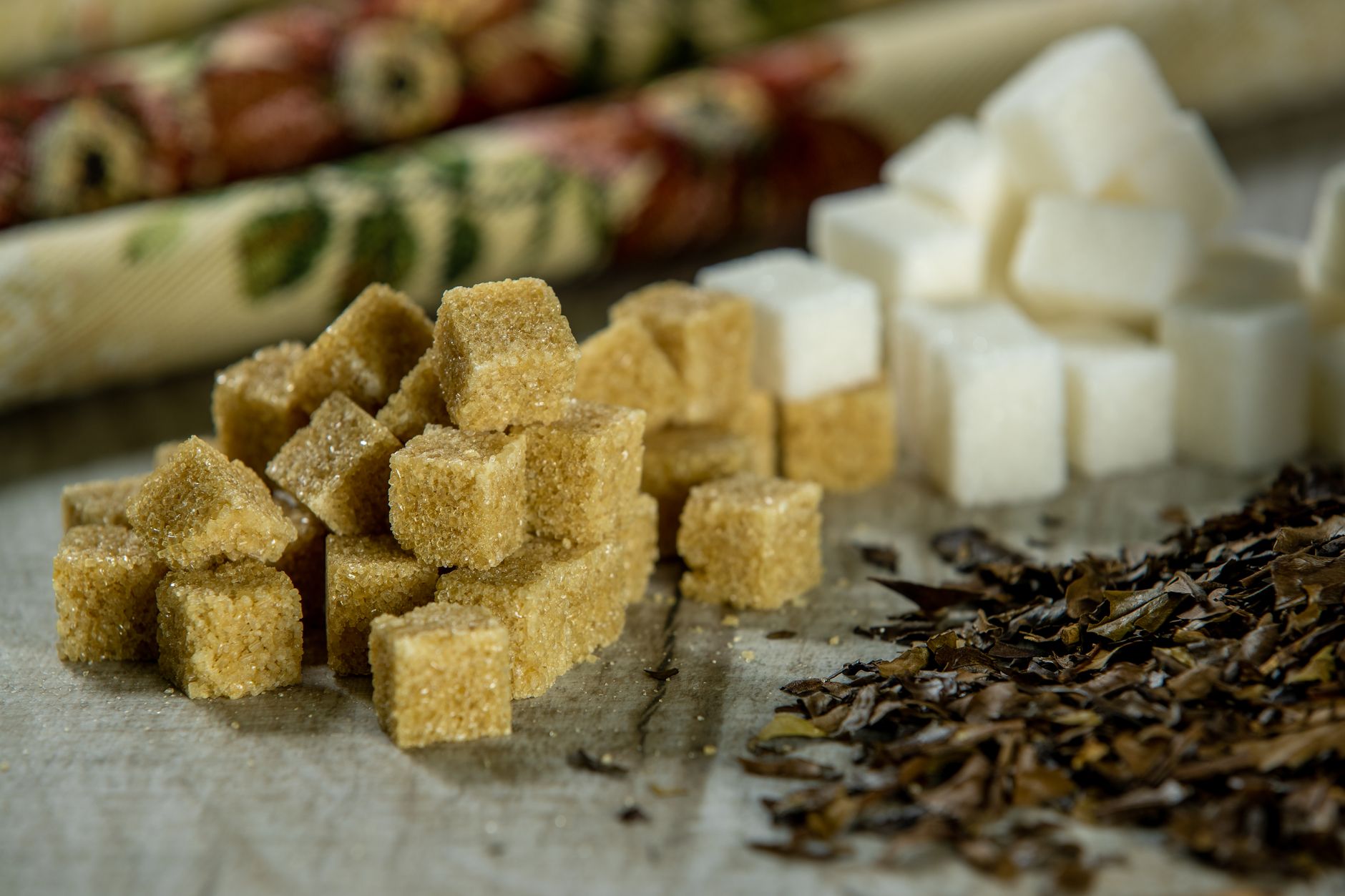
Stevia is a popular natural sweetener derived from the leaves of the Stevia rebaudiana plant. As more people look for sugar alternatives, understanding stevia’s unique taste and how it can enhance or alter the flavors of various dishes has become essential. This article delves deep into the flavor profile, texture, and ideal pairings of stevia to help you make informed decisions about using this sweetener in your cooking and baking adventures.
Many people turn to stevia for its zero-calorie content and lower glycemic index compared to traditional sugar. However, before incorporating it into your diet, it’s crucial to understand how stevia tastes and how that can influence your culinary creations.
What Does Stevia Taste Like?
Stevia has a distinct sweetness that can be described as different from regular sugar. It is about 50 to 300 times sweeter than sucrose, depending on the extraction process and the specific product used. The initial taste is sweet, but many users note a lingering aftertaste that can be somewhat bitter or anise-like. This unique flavor profile can make stevia a polarizing ingredient—the sweetness might appeal to some, while others may find the aftertaste off-putting.
When quantified, stevia generally offers a sweetness that hits quickly and can be very pronounced. As it is naturally derived, the sweetness tends to provide a unique depth, differing significantly from refined sugary products. This character can vary significantly depending on the form of stevia you choose—liquid, granulated, or powdered, altering your experience of its distinctive taste.
The Different Forms of Stevia
Stevia comes in several forms, each impacting the perceived flavor and usability in recipes. The primary forms include:
- Stevia leaves: Fresh leaves can be used for sweetening teas and other beverages but may not be suitable for baking due to their intensity.
- Stevia powder: Made from dried leaves, powdered stevia is commonly used in various recipes as a sweetener.
- Liquid stevia: This concentrated form is ideal for sweetening beverages and some baked goods, delivering a potent sweetness without bulk.
- Stevia blends: Many products on the market combine stevia with other natural and artificial sweeteners or bulking agents to achieve a taste closer to traditional sugar.
Understanding Stevia’s Flavor Profiles
The flavor of stevia can vary based on the purity of the product and its processing method. Generally, what you should look for regarding its taste is:
- Sweetness level: If using pure stevia extract, expect an overwhelming sweetness, considering a typical serving is much smaller than sugar.
- Aftertaste: This can sometimes appear as a bitterness or herbal taste, often likened to licorice.
- Temperature effects: The way stevia tastes can change when heated versus consumed cold; heated applications tend to soften the aftertaste.
Flavor Pairings with Stevia
Knowing which flavors complement stevia can greatly enhance the culinary experience. Here are some suggestions for pairing stevia effectively:
- Citrus: Lemon, lime, and orange can balance stevia’s sweetness and offset its aftertaste.
- Spices: Cinnamon, ginger, or nutmeg can round out the overall flavor profile in baked goods.
- Dairy: Creamy textures like yogurt or milk can help mask the herbal notes of stevia.
- Fruits: Berries, apples, and stone fruits can provide a vibrant contrast and additional sweetness when combined with stevia.
Cooking with Stevia: Tips and Tricks
Incorporating stevia into your cooking or baking is not as straightforward as swapping it out for sugar. Here are practical tips to consider:
Substitution Ratios
Because stevia is much sweeter than sugar, you’ll need to adjust your usual quantities. Generally, one cup of sugar can be replaced with about one teaspoon to one tablespoon of stevia extract, depending on the product. Always refer to the manufacturer’s guidelines for precise measurements.
Baking Adjustments
When using stevia in baking, note the following:
- Moisture Content: Sugar contributes moisture to baked goods; consider adding a bit of more liquid, like applesauce or yogurt, to compensate.
- Texture Considerations: The lack of bulk in stevia can lead to denser products, especially in cakes and muffins. You might want to add other dry ingredients to adjust the texture.
- Eggs and Structure: For recipes relying on sugar for aeration (like meringues or soufflés), you may need an alternative method or adjust your egg counts.
Common Mistakes When Cooking with Stevia
When using stevia, it is easy to make some common mistakes that can diminish your culinary attempts.
- Overusing it: Since stevia is so sweet, err on the side of caution as all-natural stevia may produce a remarkably strong flavor.
- Ignoring aftertaste: Pay attention to the aftertaste when adding stevia. Even in small quantities, it can dominate the dish.
- Skipping taste testing: Always taste your dish as you go. The balance can shift dramatically with stevia due to its intense sweetness.
Storage and Shelf Life of Stevia
Stevia, particularly in dry or powdered form, has a long shelf life if stored correctly. Here are some tips:
- Keep it cool and dry: Store in a sealed container away from light and moisture to prevent clumping or degradation.
- Check for freshness: While it has a long shelf life, be alert to changes in taste or odour, indicating it may be time to replace.
Recipes Using Stevia
Incorporating stevia into your meals can be creative and fun. Below are some recipe ideas you can play around with when using this sweetener.
Stevia-Sweetened Lemonade
This refreshing drink is perfect for hot summer days and highlights the ability of stevia to shine in beverage applications.
- Ingredients:
- 1 cup fresh lemon juice
- 4 cups cold water
- 1-2 teaspoons stevia powder (adjust to taste)
- Ice cubes
- Lemon slices for garnish
- In a pitcher, combine lemon juice and water. Stir well.
- Gradually add stevia, tasting as you go to reach desired sweetness.
- Serve over ice and garnish with lemon slices.
Stevia-Infused Baked Goods
Experiment with small batches of baked goods like muffins or cookies, replacing sugar with stevia. Keep the principles outlined above in mind for adjustments that maintain texture and flavor.
Alternatives to Stevia
If stevia doesn’t suit your taste or you are looking to try other sweeteners, consider these alternatives:
- Erythritol: A sugar alcohol that provides sweetness with minimal calories and no aftertaste.
- Monk fruit sweetener: A natural sweetener that offers a sweet taste with no calories, often used in tandem with erythritol.
- Agave syrup: A liquid sweetener often considered healthier but still high in fructose.
Final Thoughts on Stevia
Understanding what stevia tastes like is crucial for effectively incorporating it into your culinary repertoire. Its unique sweetness and aftertaste can work beautifully in a range of recipes when combined with the right flavors and adjusted appropriately in quantities. Embrace this natural sweetener as an alternative to sugar, and with patience and practice, you may find the ideal balance for your taste.
Explore more insights on unique flavors by checking out other articles such as what saffron tastes like and understanding green tea’s flavor.