
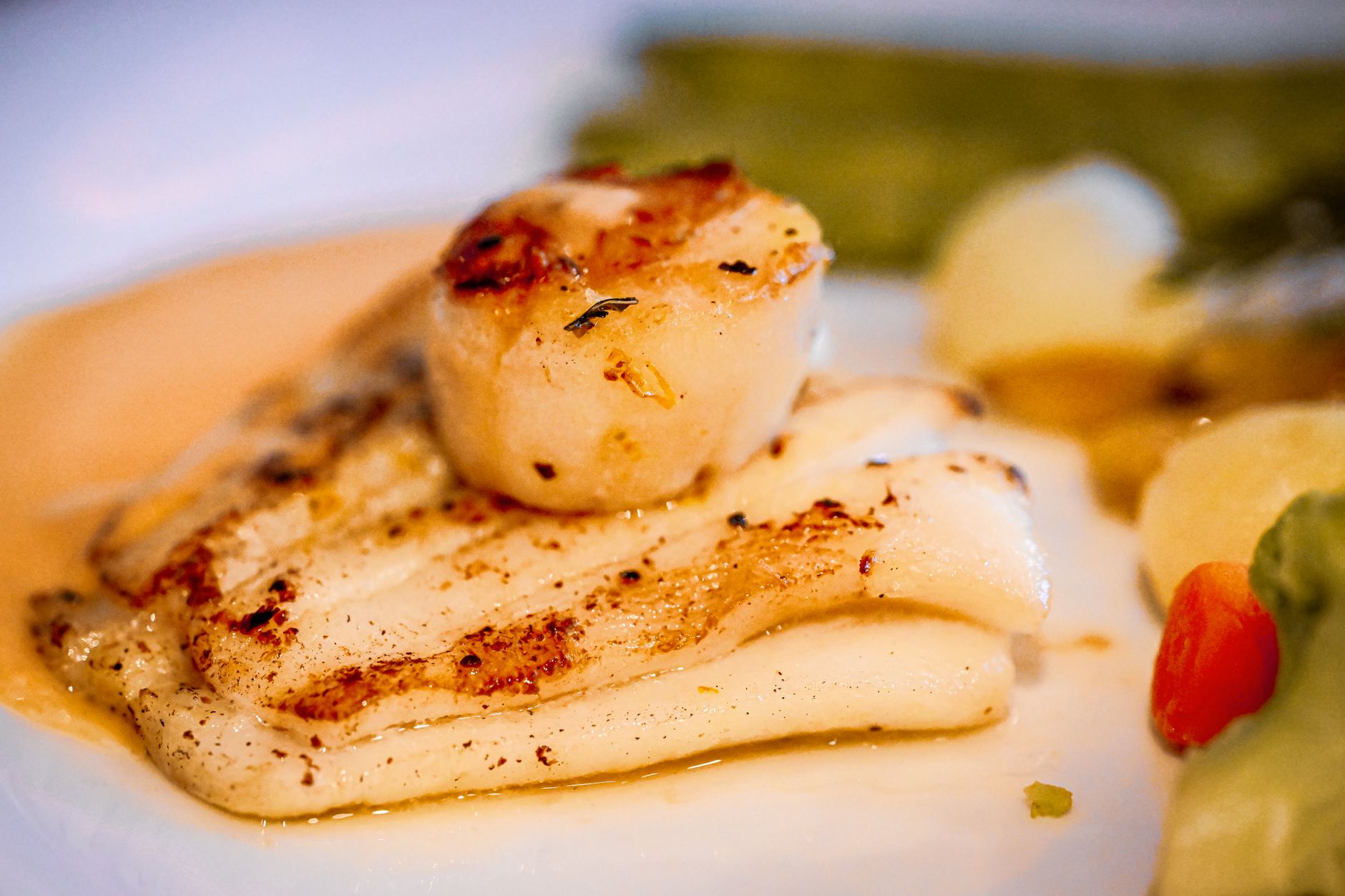
Scallops are a sought-after seafood delicacy known for their sweet, briny flavor and tender texture. Many wonder why this exquisite treat often comes with a hefty price tag. Understanding the factors that contribute to their cost can help you appreciate both their culinary value and how best to incorporate them into your meals.
This article explores why scallops are so expensive, including aspects of their harvesting process, market demand, and culinary uses. Whether you are a home cook or a seafood enthusiast, knowing more about scallops will enhance your dining experience.
Why Are Scallops So Expensive?
Scallops are expensive due to various factors, including their method of harvesting, environmental impacts, labor requirements, and market demand. Their careful collection, coupled with the limited supply and high demand, leads to a price point that reflects their quality and the effort involved in obtaining them.
The Harvesting Process
Scallops are mainly harvested using two methods: diving and dredging. Each method impacts their quality, availability, and overall cost.
Diving
Diving for scallops is a labor-intensive process that requires skilled divers to hand-harvest them from the ocean floor. This method is often used for premium-grade scallops, ensuring they are undamaged and of high quality. The limited number of divers available and the risks involved contribute to increased pricing.
Dredging
Dredging involves dragging a net along the ocean floor to catch scallops, which can lead to a high volume of production. However, this method often results in bycatch, the unwanted fish caught during the process. Environmental regulations are increasingly being put in place to limit dredging methods, which further limits availability and drives up prices.
Environmental Considerations
Scallop farming and fishing can significantly impact local marine ecosystems. Overfishing can deplete scallop populations, leading to stricter regulations and limited harvest seasons. This scarcity contributes to the higher costs associated with scallops. Sustainable fishing practices are being adopted in some areas to help mitigate these environmental impacts, but compliance can also add to the overall cost of scallops.
Market Demand and Culinary Appeal
The culinary appeal of scallops plays a significant role in their price. Their unique flavor profile and versatility make them popular in various cuisines. Additionally, they are often seen as a luxury item, which creates a high demand among consumers willing to pay more. Seasonal factors also come into play, as demand can spike during holidays and special occasions, leading to temporary price increases.
Types of Scallops and Their Price Points
Different types of scallops can vary in price based on several factors, including their size, quality, and origin. The most common types of scallops include:
- Sea Scallops: These are the larger scallops typically found in the North Atlantic. They are known for their meaty texture and rich flavor, often commanding a higher price due to their harvest method and quality.
- Bay Scallops: Smaller and sweeter than their sea counterparts, bay scallops are usually harvested in coastal waters, but their populations can fluctuate, affecting availability. They are often less expensive but can vary based on local conditions.
- Hand-Harvested Scallops: These scallops are gathered by divers or specially trained harvesters, ensuring quality and sustainability. Their delicate handling makes them more luxurious and, consequently, more expensive.
- Farmed Scallops: More affordable varieties of scallops are being cultivated through aquaculture. This method helps stabilize supply, though farmed scallops can have different flavors and textures than their wild-caught counterparts.
Quality Indicators for Scallops
When purchasing scallops, you want to ensure you select high-quality seafood. Look for the following indicators:
- Freshness: Fresh scallops should have a slightly sweet ocean smell and appear moist rather than dry or sticky.
- Color: Look for fresh sea scallops, which should range from off-white to cream-colored. Avoid any that look overly discolored or have dark spots.
- Size: Size can indicate quality; larger scallops tend to be more tender. However, smaller scallops can be equally flavorful, especially in specific dishes.
- Source: Understanding where the scallops come from can guide your purchase. Sustainable sources or those that explicitly state sustainable fishing practices are preferable.
Using Scallops in Your Kitchen
Knowing how to cook scallops can elevate your dishes. These shellfish can be prepared in various ways, offering their subtly sweet flavor and tender texture. Below are some common methods for preparing scallops:
Pan-Seared Scallops
Pan-searing is one of the most popular cooking methods for scallops. This technique creates a delicious crust while keeping the interior tender.
- Preparation: Pat the scallops dry with a paper towel, seasoning them with salt and pepper.
- Cooking: Heat a skillet over medium-high heat and add a tablespoon of oil. Once hot, place the scallops in a single layer without crowding them. Sear for 2-3 minutes on each side or until golden brown.
- Serving: Serve immediately with a squeeze of lemon juice or a drizzle of herb-infused oil for added flavor.
Scallops in Pasta
Scallops pair beautifully with pasta dishes, adding elegance and sophistication.
- Preparation: Cook pasta according to package instructions while pan-searing the scallops as directed earlier.
- Combining: Toss the cooked pasta with olive oil, garlic, and fresh herbs before adding the scallops, ensuring even distribution.
- Serving: Garnish with parmesan cheese and additional herbs just before serving.
Grilled Scallops
Grilling scallops adds a delightful smoky flavor, perfect for summer barbecues.
- Preparation: Thread the scallops onto skewers, alternating with vegetables if desired. Marinate briefly in olive oil, lemon juice, and seasonings.
- Cooking: Preheat the grill and cook the skewered scallops for 2-3 minutes per side until they are opaque and beautifully grill-marked.
- Serving: Serve with a fresh salad or grilled vegetables to complement the meal.
Common Mistakes When Cooking Scallops
To achieve perfectly cooked scallops, avoid these common pitfalls:
- Overcooking: Scallops cook quickly, so watch the time. Overcooked scallops become rubbery and lose their flavor. Aim for a golden exterior with a slightly translucent center.
- Insufficient Drying: Not drying scallops thoroughly before cooking can result in steaming rather than searing, undermining the desired caramelization.
- Overcrowding the Pan: Cooking too many scallops at once will lower the pan’s temperature, preventing a proper sear.
Storing Scallops
Proper storage is essential to maintain the quality of scallops. Follow these tips:
- Refrigeration: Keep fresh scallops refrigerated at a temperature below 41°F (5°C). Use them within a day or two for optimal freshness.
- Freezing: If you need to store scallops for a longer period, freeze them in an airtight container. Thaw frozen scallops in the refrigerator temperature before cooking.
Using Scallops in Meal Planning
Incorporating scallops into your meal planning can create luxurious yet accessible dinners. Here are some suggestions:
- Special Occasions: Plan scallop-centric meals for celebrations, pairing with elegant sides like asparagus or a creamy risotto.
- Weeknight Dinners: Use scallops in simpler recipes, such as pasta or stir-fries, to create quick yet impressive meals.
- Batch Cooking: Preparing scallops in bulk and incorporating them into salads or grain bowls throughout the week can save time while offering a nutritious protein option.
Conclusion
Scallops may carry a higher price tag, but understanding their harvesting, environmental factors, and culinary versatility can highlight their value in the kitchen. With the right techniques and quality cooking approaches, scallops can transform any meal into a memorable occasion.
For more delicious seafood recipes and cooking tips, explore our bay scallops recipe and consider trying our shrimp scampi without wine for additional flavor inspirations.