
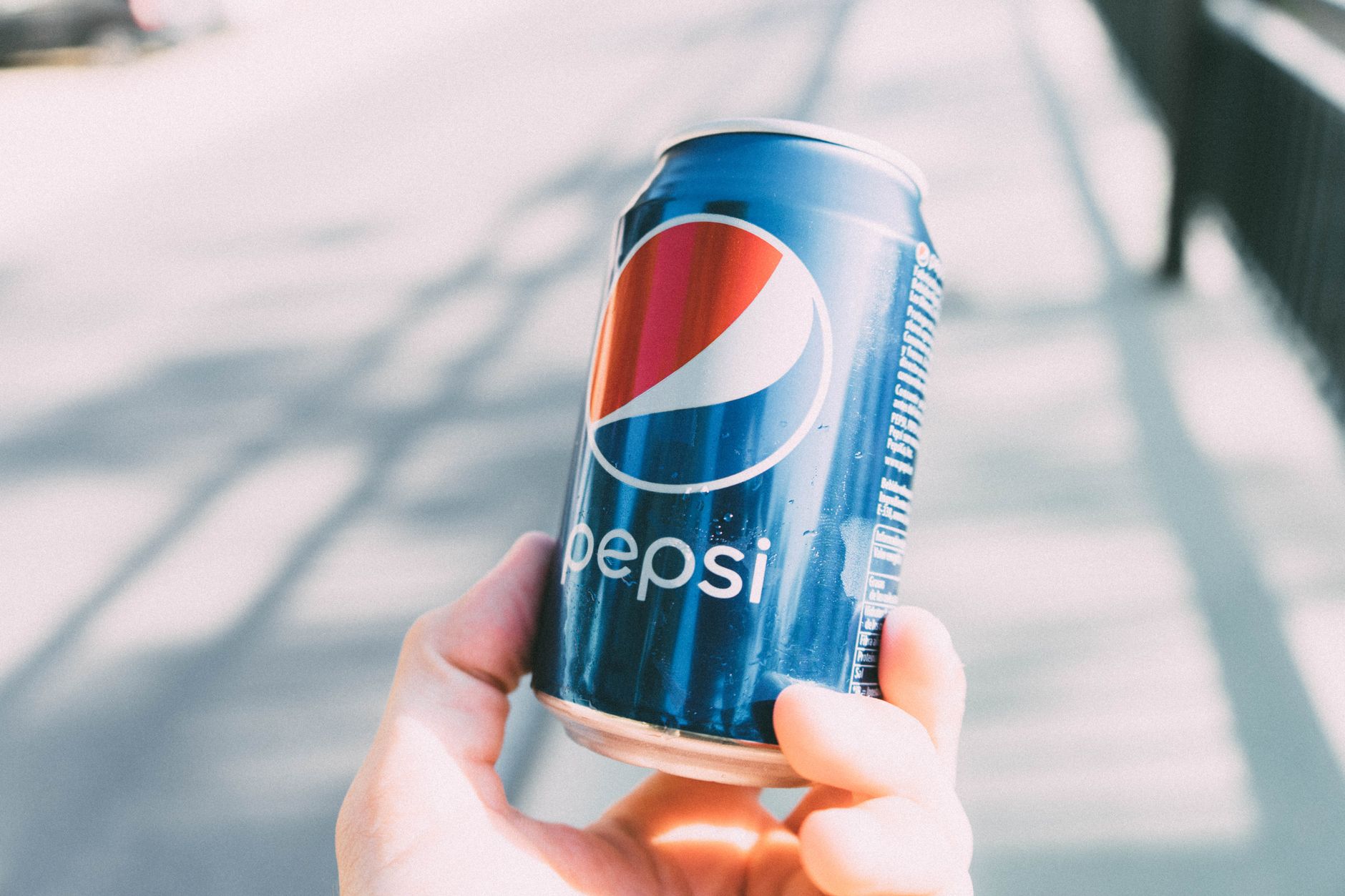
In today’s fast-paced world, many people rely on caffeine to get through their busy days. One popular source of this stimulant is Pepsi, a carbonated soft drink enjoyed by millions. Understanding the caffeine content in a Pepsi can help you make informed decisions about your beverage intake.
In this article, we will dive deep into the caffeine content of Pepsi, its serving sizes, and how it compares to other caffeinated beverages. Whether you are a casual drinker or a dedicated fan, this guide will provide you with the information you need.
How Much Caffeine Is in a Pepsi?
A standard 12-ounce (355 ml) can of Pepsi contains approximately 38 mg of caffeine. This amount may vary slightly depending on the specific variety of Pepsi you choose, such as Diet Pepsi or Pepsi Zero Sugar.
Understanding Caffeine Content
Caffeine is a naturally occurring stimulant that affects how the body functions. It is commonly found in tea, coffee, chocolate, and many soft drinks. The average adult can safely consume around 400 mg of caffeine per day without any adverse effects. However, sensitivity to caffeine can vary from person to person.
The Importance of Serving Sizes
When assessing caffeine content, it’s crucial to consider the serving size. Pepsi is available in various sizes, each with a different caffeine content. Let’s look at how the caffeine varies by serving size:
| Serving Size | Caffeine Content |
|---|---|
| 12 oz (355 ml) | 38 mg |
| 16 oz (473 ml) | 51 mg |
| 20 oz (591 ml) | 69 mg |
| 2-liter bottle (67.6 oz) | 227 mg |
As shown in the table, larger servings result in higher caffeine consumption. If you consume a large size beverage, be mindful of your total caffeine intake for the day.
Comparing Pepsi to Other Beverages
Understanding how Pepsi’s caffeine content stacks up against other popular drinks can help you gauge your caffeine consumption effectively. Here’s a comparison of caffeine levels in various beverages:
| Beverage | Caffeine Content (per serving) |
|---|---|
| Coffee (8 oz) | 95 mg |
| Green Tea (8 oz) | 30 mg |
| Black Tea (8 oz) | 40-70 mg |
| Energy Drink (8 oz) | 80 mg |
| Diet Pepsi (12 oz) | 35 mg |
As you can see, standard brewed coffee has significantly higher caffeine content compared to Pepsi. By knowing these comparisons, you can make more informed choices about your daily beverage intake.
Varieties of Pepsi and Their Caffeine Levels
Pepsi comes in several varieties, and while the classic contains a moderate amount of caffeine, other versions are formulated differently:
- Diet Pepsi: Contains approximately 35 mg of caffeine per 12 oz can, slightly lower than regular Pepsi.
- Pepsi Zero Sugar: Similar to Diet Pepsi, it contains around 69 mg of caffeine per 20 oz serving.
- Pepsi Mango: This variation also retains a similar caffeine content as regular Pepsi.
- Caffeinated Pepsi: A specialty variant that boasts 100 mg of caffeine in a 12 oz can, designed for those seeking a higher boost.
Health Considerations Around Caffeine Consumption
While caffeine can provide a boost of energy and alertness, it’s essential to be aware of its effects. Some individuals may experience side effects like insomnia, increased heart rate, or anxiety when consuming too much caffeine. Pregnant women and individuals with certain health conditions should limit their caffeine intake.
Signs of Caffeine Sensitivity
If you are unsure of how caffeine affects you, watch for signs of sensitivity:
- Nervousness or jitteriness
- Increased heart rate
- Insomnia or difficulty sleeping
- Stomach upset
- Headaches
Understanding your sensitivity is vital in determining how much caffeine is appropriate for you.
Practical Tips for Managing Caffeine Intake
Here are some practical tips to help you manage your caffeine consumption if you are concerned about your intake:
- Track Your Intake: Keep a daily log of your caffeine consumption to see how much you’re taking in.
- Space Out Your Beverages: Instead of consuming multiple caffeinated drinks at once, space them out throughout the day.
- Choose Lower-Caffeine Options: Opt for drinks with lower caffeine levels if you find yourself experiencing negative effects.
- Gradually Reduce Intake: If you want to decrease your caffeine consumption, do so gradually to minimize withdrawal symptoms.
The Role of Caffeine in Soft Drinks
Caffeine is a vital ingredient in many soft drinks, including Pepsi. It contributes to the flavor profile and acts as a preservative that enhances shelf life. Many consumers associate soft drinks with an energizing effect due to caffeine content, which drives their choice of drinks.
Flavor Profile of Pepsi
The distinct flavor of Pepsi is often complemented by its caffeine content. The base flavors of Pepsi include:
- Citrus notes
- Caramel sweetness
- A hint of vanilla
- A slight spicy finish
For many consumers, these flavors, combined with caffeine’s stimulating effects, create an enjoyable soft drink experience.
How to Incorporate Pepsi in Moderation
If you enjoy Pepsi but want to manage your caffeine intake, consider these tips:
- Enjoy Pepsi with meals: Pairing it with food can help reduce any jittery effects.
- Alternate with non-caffeinated beverages: Switch between Pepsi and other drinks to lower caffeine consumption throughout the day.
- Be mindful of other sources of caffeine: If you drink coffee or energy drinks, account for those in your total caffeine intake.
Common Questions About Caffeine in Pepsi
Here are some frequently asked questions regarding caffeine in Pepsi:
Is Pepsi without caffeine available?
Yes, Pepsi offers a caffeine-free version called Caffeine-Free Pepsi. This provides the same great taste without the added caffeine.
Can children drink Pepsi?
While it’s not illegal for children to consume Pepsi, moderation is advisable. Parents should monitor their children’s caffeine intake and consider limiting soda consumption.
Will caffeine affect my sleep?
Caffeine can disrupt sleep patterns, particularly if consumed later in the day. It’s generally recommended to avoid caffeine within six hours of bedtime.
Wrapping Up Your Beverage Choices
Understanding how much caffeine is in a Pepsi can help you balance your caffeine intake. The caffeine content in a can of Pepsi, while significant, is manageable when consumed mindfully.
By comparing it with other beverages, practicing moderation, and being aware of your body’s response to caffeine, you can enjoy Pepsi as part of a balanced diet.
For more insights on caffeine in beverages, you might be interested in our detailed articles about Diet Dr. Pepper and Chai Tea. Explore our other resources to make informed choices about your food and drink habits.