
Finding a suitable replacement for heavy cream can enhance your dishes while accommodating dietary needs and preferences. Whether you’re aiming for lower fat content, dairy-free options, or simply running low on heavy cream, several effective substitutes can create similar textures and flavors in your recipes.
This guide details various ingredients to replace heavy cream, including their ratios, flavor profiles, and best uses, ensuring your cooking remains versatile and delicious.
What to Replace Heavy Cream With?
Heavy cream, known for its rich, velvety texture and high fat content, can be substituted with various ingredients depending on the desired dish. Options include lighter dairy options, non-dairy alternatives, and creative ingredients that maintain the integrity of your recipes.
Understanding Heavy Cream
Heavy cream contains at least 36% milk fat, providing a unique richness that enhances sauces, soups, and desserts. Its principal function includes adding creaminess and contributing to the overall mouthfeel of a dish. Recognizing how to replicate that texture and flavor is crucial when considering substitutes.
Common Substitutes for Heavy Cream
Here’s a detailed overview of alternative ingredients you can use to replace heavy cream along with their appropriate ratios and uses.
Dairy-Based Substitutes
- Half-and-Half: A mixture of milk and cream containing 10.5% to 18% milk fat. Use equal amounts of half-and-half in place of heavy cream, although the result may be slightly less rich.
- Whole Milk with Butter: Combining ¾ cup of milk with ¼ cup of melted unsalted butter can mimic heavy cream’s texture. This works well for baking and soups.
- Sour Cream: This adds a tangy flavor while being thick and creamy. Substitute it in equal parts for heavy cream when making dips or creamy dressings.
- Greek Yogurt: Use in dips, dressings, or as a topping. Substitute the same amount of Greek yogurt for heavy cream, although it will add a tangy taste.
- Evaporated Milk: With about 6-8% milk fat, it creates a creamy consistency in dishes. Use the same amount as heavy cream, but avoid it in whipped toppings as it won’t hold air well.
Non-Dairy Substitutes
- Coconut Milk or Cream: Rich and creamy, it’s an excellent dairy-free alternative. Use full-fat coconut milk or cream at a 1:1 ratio for recipes requiring heavy cream, though it will impart a coconut flavor.
- Silken Tofu: Blending silken tofu with a little non-dairy milk creates a smooth cream alternative, suitable for soups and sauces. Use ½ cup of blended silken tofu mixed with ½ cup of plant-based milk as a substitute for every cup of heavy cream.
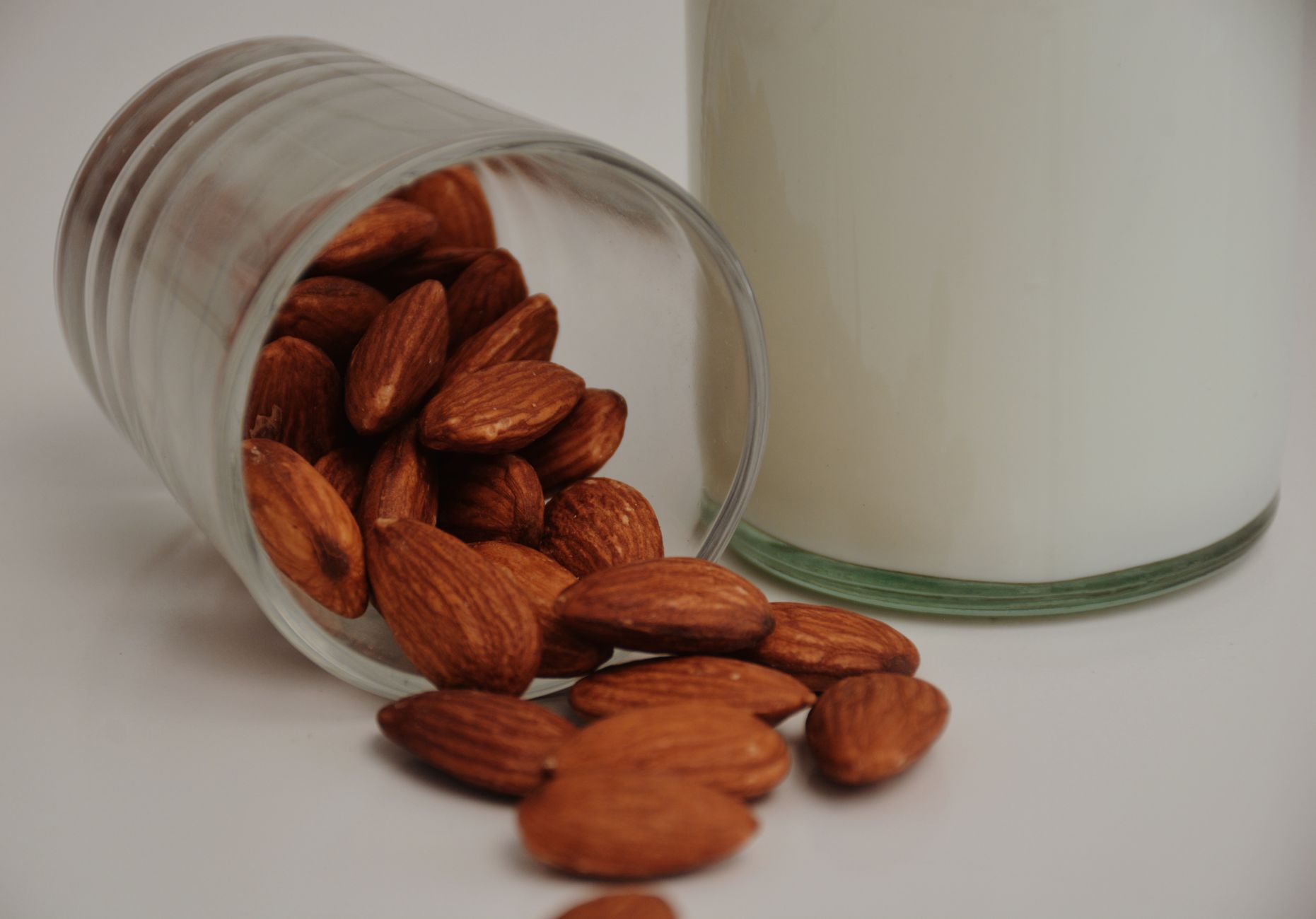
- Almond Milk Cream: Combining almond milk with agar-agar or cornstarch can create a creamy consistency. Mix 1 cup of almond milk with 2 tablespoons of cornstarch and heat until thickened.
- Cashew Cream: Soaked and blended cashews create a creamy base for savory and sweet dishes. Use 1 cup of soaked cashews blended with ½ cup of water in place of heavy cream.
Creative Alternatives
- Nut Butters: Smooth nut butters like almond or cashew can be thinned with water and used in place of heavy cream in specific savory dishes, particularly in curries and sauces. Mix ¼ cup nut butter with ¾ cup water to replace one cup of heavy cream.
- Vegetable Purees: Purees such as cauliflower or potatoes can add creaminess to soups and sauces. Blend cooked vegetables with water or broth until smooth, adjusting the thickness as needed.
- Oat Milk Cream: Oat milk is another versatile option that can be thickened with arrowroot or cornstarch at the same substitution ratio of 1:1.
Ratios and Practical Applications
Here are some practical substitution ratios for common applications in cooking:
For Cooking and Saucing
- Use 1 cup of half-and-half or whole milk with butter as a 1:1 substitute.
- Replace 1 cup of heavy cream with 1 cup of coconut milk or silken tofu blended with a little plant-based milk.
For Baking
- Substitute 1 cup of heavy cream with 1 cup of sour cream or Greek yogurt.
- For cakes or muffins requiring whipped cream, use 1 cup of evaporated milk, as it helps retain moisture.
For Whipped Toppings
- Use 1 cup of coconut cream whipped (with chilled cans) as a direct substitute for whipped cream.
- Whipped aquafaba (the liquid from canned chickpeas) can replace whipped heavy cream, using a 1:1 ratio.
Choosing the Right Substitute
Selecting the right heavy cream substitute depends on three main factors: desired flavor, texture, and intended use.
Flavor Considerations
Be mindful of the flavors of substitutes. For instance, coconut milk will impart a distinct coconut flavor that may not be suitable for every dish. If you prefer neutral flavors, opt for whole milk with butter or half-and-half.
Texture Considerations
Some substitutes may create a lighter texture than heavy cream. When using alternatives, consider how achieving the desired creaminess or thickness may require additional adjustments, such as adding a thickening agent like cornstarch or arrowroot powder.
Intended Use
Heavy cream plays different roles in various recipes, whether enriching sauces or lightening desserts. Each substitute may perform differently under heat or when whipped. Understanding how these different alternatives will behave is crucial for optimal results.
Common Mistakes and Troubleshooting
While substituting heavy cream can be straightforward, be aware of these common pitfalls:
- Consistency Issues: Ensure your substitute provides a similar consistency to heavy cream. If using non-dairy alternatives, they may need several adjustments like thickening agents.
- Curdling: Some dairy substitutes may curdle in high-heat applications; add them slowly to hot mixtures to avoid curdling.
- Flavor Mismatches: Taste your dish throughout the cooking process, adjusting flavors as you go to make sure the end result meets your expectations.
Long-Term Storage Solutions
When substituting heavy cream with any alternatives, consider how these ingredients store:
Storage of Non-Dairy Alternatives
Coconut milk, almond milk, or cashew cream usually have a good shelf life in the refrigerator. Be sure to store opened cans of coconut milk or other alternatives in airtight containers to maintain freshness. Freeze excess cream alternatives in ice cube trays to preserve them for future use.
Storage of Dairy Alternatives
Store any remaining Greek yogurt, sour cream, or half-and-half in their original containers with tightly sealed lids to prolong their freshness. Avoid freezing these dairy products, as it can affect their texture dramatically.
Conclusion
Finding a suitable substitute for heavy cream is achievable with a variety of dairy and non-dairy options. Understanding the flavors and textures of each choice allows for successful cooking and baking alternatives. Remember to test how each ingredient reacts in your dish and adjust accordingly for best results.
Explore more about ingredient substitutions by checking out our guide on can you substitute milk for heavy cream and learn about an Alfredo sauce recipe with cream cheese for rich creamy textures!