
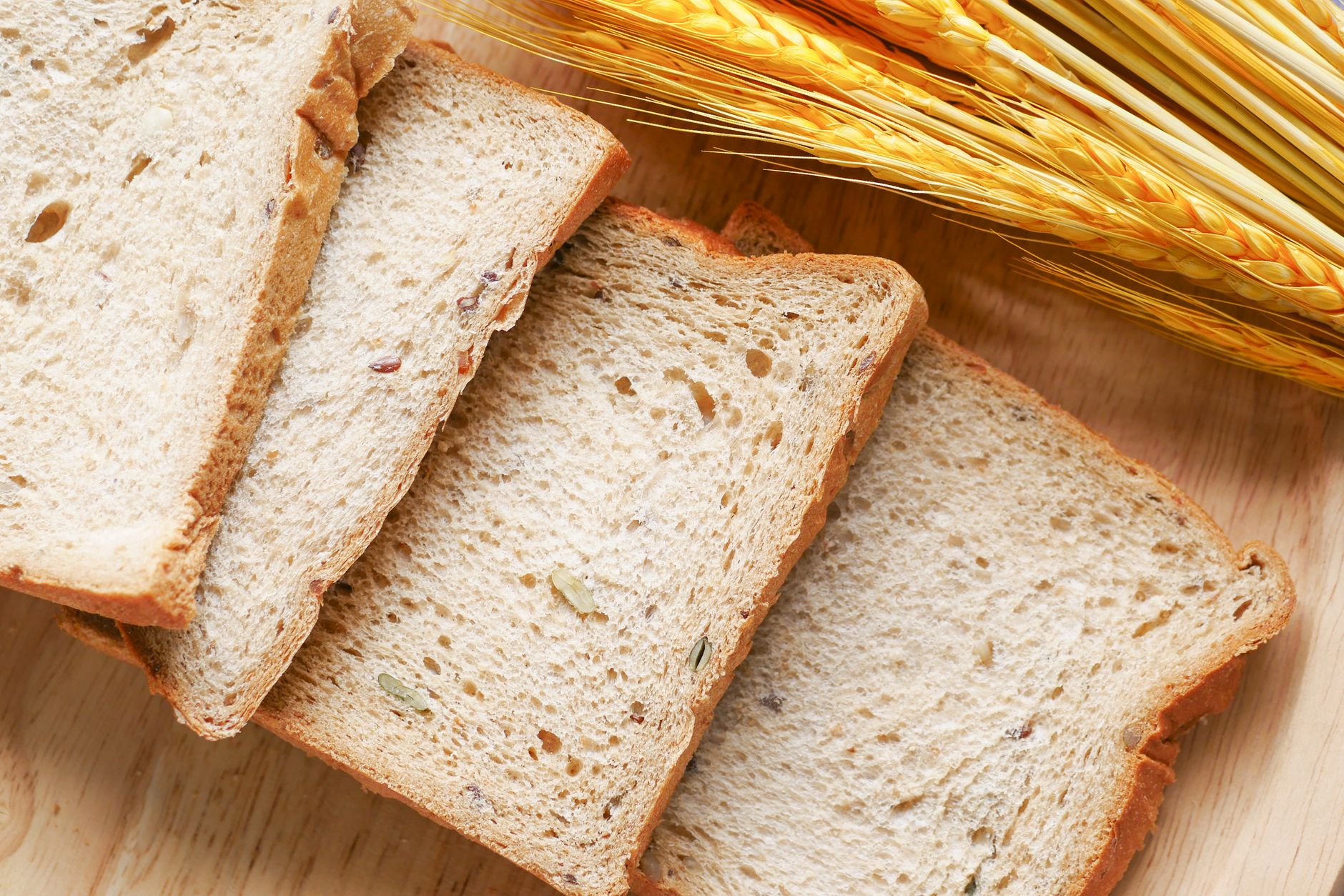
Bread is a staple food in many diets around the world, offering comfort and satisfaction. However, one of the most common questions that arise when considering bread consumption is its carbohydrate content. Understanding the amount of carbohydrates in bread can be critical for those monitoring their dietary intake, whether for health reasons, weight management, or other lifestyle choices.
This article will explore the carbohydrate content of various types of bread, helping you make informed choices about the bread you consume. We will also provide practical guidance on serving sizes and nutritional considerations associated with bread.
Does Bread Have A Lot Of Carbs?
Yes, bread typically has a high carbohydrate content. On average, a standard slice of white or whole wheat bread contains around 12 to 15 grams of carbohydrates. However, the amount may vary based on the type, brand, and preparation method. Other factors, such as additional ingredients, can also influence the carbohydrate levels in bread.
Types of Bread and Their Carbohydrate Content
The carbohydrate content in bread can differ significantly depending on its ingredients and preparation. Here are several common types of bread along with their approximate carbohydrate content per serving. All values are based on a standard slice or one serving of each type.
| Type of Bread | Carbohydrates (grams per slice) |
|---|---|
| White Bread | 12-15 |
| Whole Wheat Bread | 12-15 |
| Sourdough Bread | 13-14 |
| Rye Bread | 15-17 |
| Multigrain Bread | 12-18 |
| Baguette | 14-15 |
| Ciabatta | 13-14 |
| Flatbread | 15-20 |
| Gluten-Free Bread | 17-20 |
Carbohydrates Explained
Before diving deeper into the topic of bread, it is crucial to understand what carbohydrates are. Carbohydrates are one of the three main macronutrients, alongside proteins and fats. They serve as the body’s primary source of energy.
Carbohydrates can be classified into two types: simple and complex. Simple carbohydrates consist of sugars and are quickly absorbed by the body, often leading to spikes in blood sugar levels. Complex carbohydrates, on the other hand, are made up of longer chains of sugar molecules and require more time for digestion. Whole grains, legumes, and vegetables are rich in complex carbohydrates.
How Carbohydrates in Bread Affect Health
Carbohydrates are an essential part of a balanced diet, but their impact on health can vary based on their source and quantity. Here are several health considerations regarding carbohydrate intake from bread:
- Energy Levels: Consuming carbohydrates provides energy, particularly for athletes and individuals with active lifestyles. A slice of bread can serve as a quick source of fuel.
- Blood Sugar Management: Individuals with diabetes or insulin resistance should monitor their carbohydrate intake. Whole grain and high-fiber options can lead to more gradual increases in blood sugar compared to refined options like white bread.
- Satiety and Weight Management: Foods high in fiber, which can often be found in whole grain or multigrain breads, may help you feel fuller for longer, aiding in weight management.
- Nutritional Value: Whole grain breads typically offer more vitamins and minerals than their white counterparts. They also provide dietary fiber, which is beneficial for digestive health.
Portion Sizes: Serving Bread Wisely
Understanding the serving size is vital for accurately assessing carbohydrate intake. A standard slice of bread is typically used as a reference point, but bread can be served in various portions. Here are some standard serving sizes and how they relate to carbohydrate content:
- 1 slice of white or whole wheat bread: 12-15 grams of carbohydrates.
- 1 small dinner roll: Approximately 15 grams of carbohydrates.
- 1 bagel: 45-60 grams of carbohydrates, depending on size and type.
- 1 flatbread: 15-20 grams of carbohydrates.
- 1 slice of specialty bread (like gluten-free): 17-20 grams of carbohydrates.
Choosing the Right Bread for Your Diet
When striving to maintain a balanced diet, selecting the right type of bread is essential. Here are some guidelines for choosing bread types based on carbohydrate content and nutritional value:
Opt for Whole Grains
Whole grain breads are generally healthier options compared to white or refined breads. They contain more fiber, vitamins, and minerals, which contribute to a well-rounded diet. Look for “100% whole grain” on labels to ensure you are getting the appropriate benefits.
Check Serving Sizes
Always refer to the nutrition label! Sometimes, loaves of bread can be misleading, with variable serving sizes impacting carbohydrate values. Understanding what a serving size is helps in managing your total carbohydrate intake.
Beware of Additives and Sweets
Some breads contain added sugars, fats, or preservatives, which can increase both carbohydrate content and lower the overall health benefits. Ingredients like high fructose corn syrup or added sugars should be monitored, especially if you are trying to limit carbohydrate intake.
Consider Fiber Content
Higher fiber breads (aim for at least 3-5 grams of fiber per slice) can provide additional health benefits. Fiber helps regulate digestion and contributes to feelings of fullness, making it easier to manage overall carbohydrate intake.
Low-Carb Bread Options
- Cloud Bread: Typically made with eggs and cream cheese, contains fewer than 1 gram of carbohydrates per slice.
- Almond Flour Bread: A popular gluten-free and low-carb option, often containing only 1-2 grams of carbohydrates per slice.
- Chia Seed Bread: Utilizing chia seeds as a base can provide a nutrient-dense and fiber-rich alternative with lower carbs.
Making Bread at Home
If you want full control over the ingredients and carbohydrate content, consider baking bread at home. Here’s a quick overview of the process:
Essential Equipment
- Mixing bowl
- Measuring cups and spoons
- Loaf pan
- Oven
- Cooling rack
Basic Bread Recipe
- Combine ingredients: 3 cups of all-purpose flour, 1 packet (2 ¼ teaspoons) of yeast, 1 tablespoon of sugar, 1 teaspoon of salt, and 1 cup of warm water.
- Knead the dough: Mix the ingredients until they form a dough, then knead on a floured surface for about 10 minutes until smooth.
- Let it rise: Place dough in a greased bowl, cover, and let rise in a warm place for 1 hour or until doubled in size.
- Shape and bake: Punch down the dough, shape it into a loaf, and place it in the greased loaf pan. Allow it to rise again for about 30 minutes. Preheat the oven to 375°F (190°C) and bake for 30-35 minutes.
- Cool and serve: Remove from the pan let cool on a wire rack before slicing.
This basic recipe can be customized to create different types of bread, adding grains, seeds, or herbs to suit your taste.
Common Bread Mistakes and Troubleshooting
Even experienced bakers face challenges. Here are common mistakes when preparing or selecting bread and suggestions for overcoming them:
- Using Old Yeast: Always check the expiration date of your yeast; old yeast can result in bread not rising properly.
- Under-kneading dough: Ensure that dough is kneaded until smooth for proper gluten development.
- Incorrect oven temperature: An oven that is too hot or too cold can lead to improperly baked bread. An oven thermometer can help ensure accuracy.
Storing Bread Correctly
To maximize the shelf life and freshness of bread, consider the following storage tips:
- Room Temperature: Store bread in a cool, dry place in a breadbox or paper bag for short-term storage (1-3 days).
- Freezing: For longer-term storage, slice and freeze bread. Wrap in plastic wrap and place in an airtight container or freezer bag. It can last for up to 3 months.
Final Thoughts
Understanding the carbohydrate content in bread is key to making informed dietary choices. With various bread types available, it is essential to consider how they fit into your nutritional goals. By opting for whole grains, being mindful of portion sizes, and selecting low-carb alternatives if needed, you can enjoy bread while maintaining a balanced diet.
Take time to read labels, explore new baking methods, and even dabble in homemade bread to control ingredients and nutritional content effectively.
If you’re interested in trying other types of bread, check out the Einkorn Bread Recipe or explore the Carnivore Bread Recipe for unique options.