
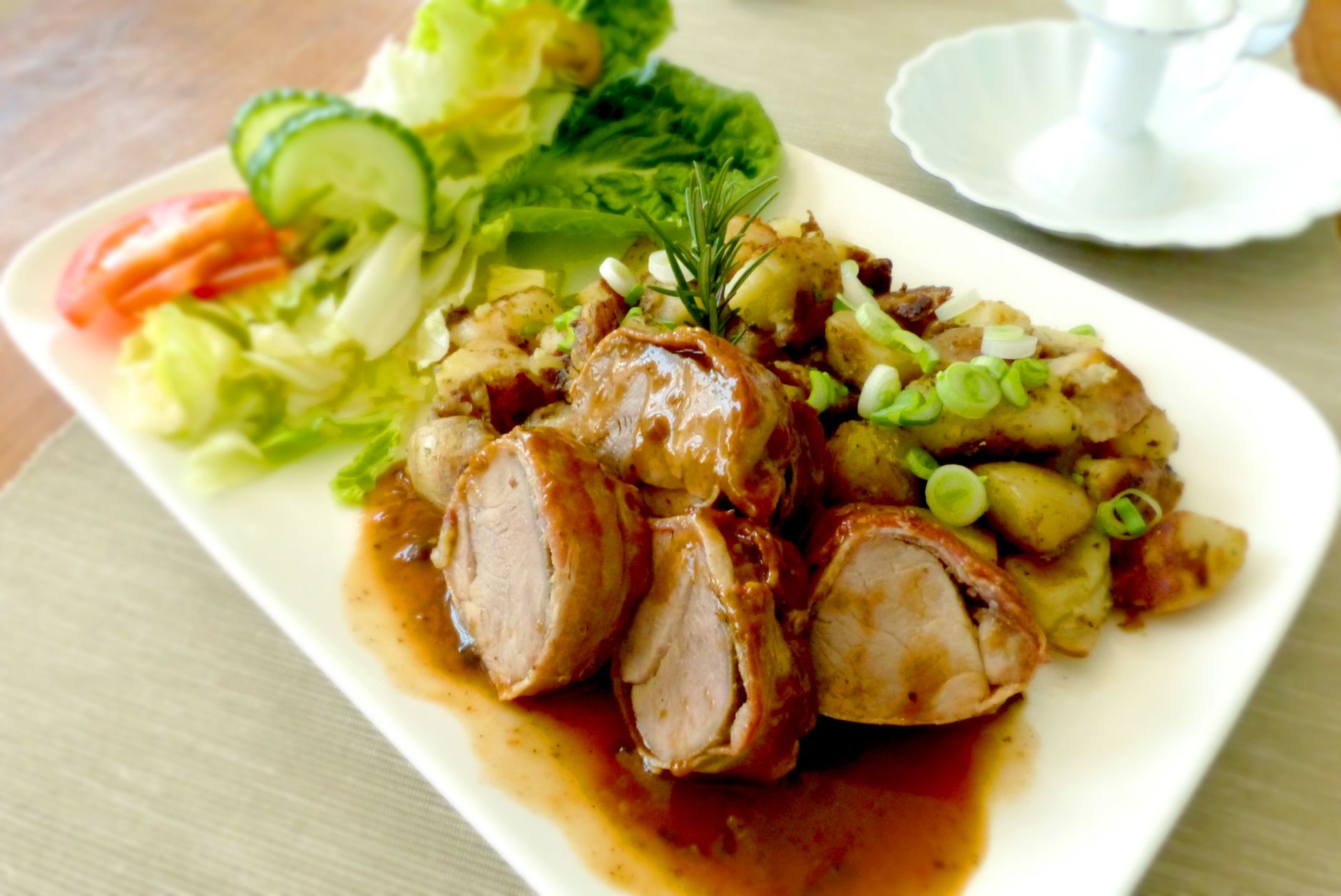
Pork tenderloin is a versatile cut of meat that can be a delightful centerpiece for a meal. Understanding how long to cook a 1 lb pork tenderloin is crucial to achieving the perfect flavor and tenderness. This article will provide you with essential cooking methods, timings, and tips for ensuring your pork tenderloin is juicy and delicious.
Cooking pork tenderloin to the right internal temperature is vital for both flavor and safety. This guide will help you choose the best cooking method for your tenderloin and include valuable tips on preparation, seasoning, and serving. Let’s get started!
How Long to Cook a 1 Lb Pork Tenderloin?
The general rule of thumb for cooking a 1 lb pork tenderloin is approximately 20 to 25 minutes per pound at 425°F (218°C) when roasting in the oven. This means that a 1 lb tenderloin will typically take about 20 to 25 minutes to reach the ideal internal temperature of 145°F (63°C). However, cooking times may vary depending on the method used and the specifics of your oven.
Understanding Pork Tenderloin
Pork tenderloin is a long, thin cut of pork from the muscle that runs alongside the backbone. It is known for its tenderness, which is why it is often favored in many recipes. This cut has a mild flavor, making it an excellent canvas for various marinades, rubs, and seasonings.
Flavor and Texture
The texture of a perfectly cooked pork tenderloin is tender and juicy, while the flavor can range from subtly sweet to slightly salty depending on the seasonings used. Because it is lean meat, overcooking can result in dryness, so monitoring the cooking time and temperature is essential.
Cooking Methods for Pork Tenderloin
There are several popular methods for cooking pork tenderloin, including roasting, grilling, and pan-searing. Each method brings out different flavors and textures, and your choice will depend on the desired outcome and your kitchen equipment.
1. Roasting
Roasting is one of the most common methods for cooking pork tenderloin. It produces a flavorful crust while keeping the meat moist on the inside.
Ingredients for Roast Pork Tenderloin
- 1 lb pork tenderloin
- 2 tablespoons olive oil
- Salt and pepper to taste
- Your choice of herbs (e.g., rosemary, thyme, garlic powder)
Instructions for Roasting
- Preheat your oven to 425°F (218°C).
- Pat the pork tenderloin dry with paper towels and trim any excess fat if necessary.
- Rub the tenderloin with olive oil, then season with salt, pepper, and herbs of your choice.
- Place the tenderloin in a roasting pan or on a baking sheet.
- Roast in the oven for 20 to 25 minutes or until the internal temperature reaches 145°F (63°C).
- Remove the tenderloin from the oven and let it rest for 5 to 10 minutes before slicing.
2. Grilling
Grilling pork tenderloin adds a smoky flavor and char that enhances the meat’s natural sweetness.
Ingredients for Grilled Pork Tenderloin
- 1 lb pork tenderloin
- Marinade of choice (such as soy sauce, garlic, and brown sugar)
- Salt and pepper to taste
Instructions for Grilling
- Marinate the pork tenderloin for at least 30 minutes or overnight for best results.
- Preheat the grill to medium-high heat.
- Season the tenderloin with salt and pepper before placing it on the grill.
- Grill for about 20 to 25 minutes, turning occasionally, until the internal temperature reaches 145°F (63°C) and juices run clear.
- Remove from the grill and let rest for 5 to 10 minutes before slicing.
3. Pan-Searing
This method is perfect for a quick weeknight dinner and requires a minimal amount of time while still creating a delicious crust.
Ingredients for Pan-Seared Pork Tenderloin
- 1 lb pork tenderloin
- 2 tablespoons olive oil
- Salt and pepper to taste
- 1 cup chicken broth (optional for deglazing)
Instructions for Pan-Searing
- Heat olive oil in a large skillet over medium-high heat.
- Season the pork tenderloin with salt and pepper.
- Once the oil is hot, add the tenderloin and sear on all sides, about 3-4 minutes per side.
- After searing, reduce the heat to medium and cover the skillet. Cook for an additional 10-15 minutes, until the internal temperature reaches 145°F (63°C).
- If desired, deglaze the skillet with chicken broth, scraping up any browned bits for a simple sauce.
- Let the pork rest for 5-10 minutes before slicing.
Monitoring Doneness: The Importance of a Meat Thermometer
To ensure your pork tenderloin is cooked perfectly, using a meat thermometer is highly recommended. The ideal internal temperature for pork tenderloin is 145°F (63°C). At this temperature, the meat will be tender, juicy, and safe to eat.
Steps for Using a Meat Thermometer
- Insert the thermometer into the thickest part of the tenderloin. Avoid any fat or gristle.
- Check the reading after the cooking time has elapsed. If the temperature is below 145°F (63°C), continue cooking, checking the temperature every few minutes.
- Once the desired temperature is reached, remove the tenderloin from the heat.
Common Mistakes to Avoid
Even with the best intentions, cooking pork tenderloin can sometimes go awry. Here are some common mistakes to watch out for:
1. Overcooking
Overcooking is the most common mistake, leading to dry, tough meat. Follow recommended cooking times and use a thermometer to ensure doneness.
2. Skipping the Resting Period
Resting the meat for at least 5-10 minutes after cooking allows the juices to redistribute throughout the meat, resulting in a juicier cut.
3. Inadequate Seasoning
Pork tenderloin can be bland if not seasoned well. Don’t shy away from marinades, rubs, and spices to enhance the flavor.
Serving Suggestions for Pork Tenderloin
Pork tenderloin makes for a beautiful presentation on any dinner table. Here are some serving suggestions:
- Slice the tenderloin into medallions and serve with a fruity sauce like apple or cranberry.
- Pair with roasted vegetables or a salad for a healthy meal.
- Serve alongside grains like quinoa or farro for added texture and nutrition.
- Drizzle with a balsamic glaze for a touch of sweetness.
Make-Ahead Tips
Pork tenderloin can be prepared ahead of time, making it an excellent option for meal prep or gatherings. Here are some tips:
- Marinate the tenderloin the night before for maximum flavor.
- Cook the tenderloin and let it cool completely before slicing. Store it in an airtight container in the refrigerator for up to three days.
- Reheat in the oven at a low temperature, drizzling with a bit of broth or water to keep it moist.
Storage and Reheating Guidance
Proper storage and reheating techniques can extend the life of your cooked pork tenderloin.
Storing Leftover Pork Tenderloin
- Allow the meat to cool to room temperature before storing.
- Place leftovers in an airtight container and refrigerate for up to three days or freeze for up to three months.
Reheating Leftovers
- For the best results, reheat leftover pork tenderloin in the oven at 325°F (163°C) until warmed through.
- You can also use a microwave, but this may result in a drier texture.
Flavor Variations and Substitutions
Experimenting with different flavors can elevate your pork tenderloin experience. Here are some variations and ingredient substitutions:
1. Marinades
Change up the marinade to suit your taste. Some notable options include:
- BBQ sauce for a sweet and tangy flavor.
- Teriyaki sauce for an Asian-inspired twist.
- A mix of citrus juices for a refreshing zing.
2. Herbs and Spices
Switch out herbs and spices to change the flavor profile:
- Cumin and coriander for a Middle Eastern flair.
- Smoked paprika for a hint of smokiness.
- Fresh dill or parsley for a bright, herby taste.
3. Cooking Techniques
If you don’t have access to an oven or grill, consider using a slow cooker. Cook on low for 6 to 8 hours or on high for 3 to 4 hours until tender and cooked through. Always verify the internal temperature.
Conclusion
Cooking a 1 lb pork tenderloin correctly ensures that you enjoy its tender texture and mild flavor to the fullest. By following the guidelines laid out in this article, you can achieve perfectly cooked pork tenderloin through various methods while avoiding common mistakes. Whether you choose to roast, grill, or pan-sear, your careful attention to detail will result in a delicious meal. Don’t forget to try out different marinades and seasonings to customize the dish to your taste.
For more creative cooking ideas, you might want to explore our Pork Chop Supreme Recipe or learn how to prepare a flavorful Smoked Pork Loin Recipe. These dishes can complement your pork tenderloin or offer new culinary adventures to enhance your cooking repertoire.