
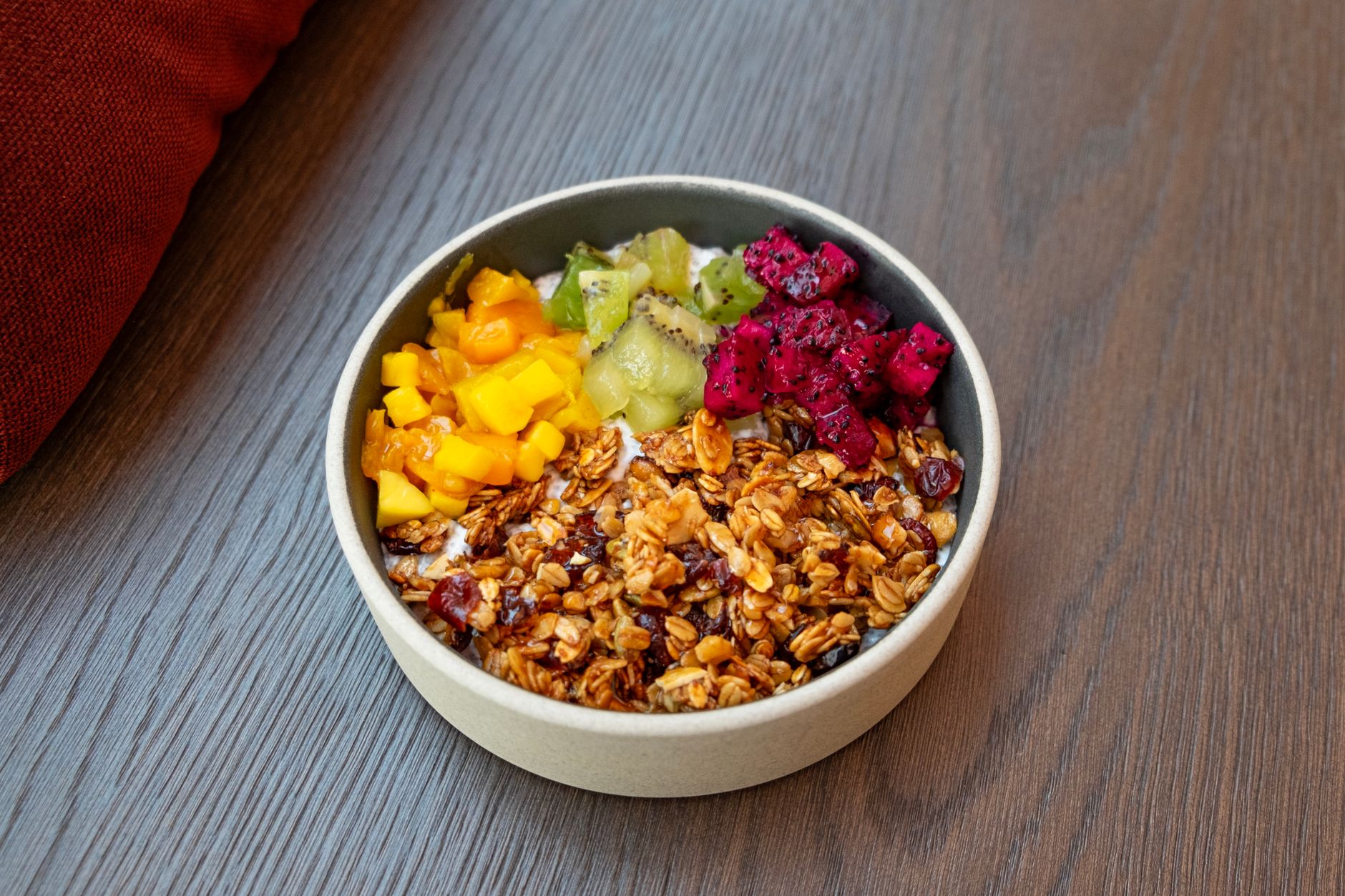
Muesli is a nutritious and versatile cereal that has gained popularity worldwide for its simplicity and wholesome ingredients. Often enjoyed as a breakfast option, it is a raw mixture primarily made from rolled oats, seeds, nuts, and dried fruits. The beauty of muesli lies in its adaptability to different flavors and dietary preferences, making it an excellent choice for anyone seeking a healthy meal or snack.
This article will delve into the details of muesli, covering its ingredients, flavor profiles, how to serve it, and various preparation methods. You will also learn about the nutritional benefits it offers and how to customize it to suit your taste.
What Is Muesli?
Museli is a cold oatmeal dish originating from Switzerland. It was invented in the early 20th century by a physician named Maximilian Bircher-Brenner as a health food for patients. Muesli typically includes rolled oats as the base ingredient and is combined with a variety of other ingredients to enhance flavor and nutrition. Unlike granola, which is often sweetened and baked, muesli is usually unprocessed and retains its natural ingredients.
Key Ingredients of Muesli
The ingredients of muesli can vary greatly, but here are the most common components:
- Rolled Oats: The primary ingredient, rolled oats provide fiber and essential nutrients, such as B vitamins and iron. They are typically soaked in milk or yogurt, which helps soften their texture.
- Nuts: Commonly added nuts include almonds, walnuts, pecans, and hazelnuts. They add healthy fats, protein, and crunch.
- Seeds: Chia seeds, sunflower seeds, and pumpkin seeds are popular choices. They contribute additional fiber, protein, and omega-3 fatty acids.
- Dried Fruit: Options like raisins, apricots, cranberries, and figs add natural sweetness and vitamins.
- Fresh Fruit: Seasonal fruits, such as berries, bananas, or apples, can enhance flavor and freshness.
- Liquid: Milk (dairy or plant-based), yogurt, or juice is typically used to moisten the muesli and soak the oats.
- Sweeteners: While natural sugars from fruits can suffice, some may choose to add honey, maple syrup, or agave nectar for extra sweetness.
Flavor Profiles of Muesli
The flavor of muesli can be incredibly diverse, depending on the ingredients you choose. Rolled oats have a mild, nutty flavor that serves as a blank canvas, allowing other ingredients to shine. Nuts can add a rich and buttery taste, while seeds often impart a slightly earthy, crunchy aspect.
Dried fruits provide sweetness and can range from tart to sugary, influencing the overall sweetness of the dish. Fresh fruits add brightness and refreshing notes, while various spices such as cinnamon or nutmeg can enhance the depth of flavor. Additionally, the choice of liquid can make a significant impact—using coconut milk, for instance, introduces a tropical flavor to the mix.
How to Serve Muesli
Muesli is highly versatile and can be served in numerous ways. Here are some popular methods:
- Classic Preparation: Soak rolled oats overnight in your choice of liquid (milk, yogurt, or a non-dairy alternative) and mix in nuts, seeds, and dried fruits. Serve chilled with a sprinkling of fresh fruit on top.
- Warm Muesli: Some enjoy cooking their muesli by slowly simmering the oats in milk or water for a creamy porridge-like consistency. This method is especially enjoyable during colder months.
- In Smoothies: Blend muesli with yogurt, milk, or juice along with fresh fruits for a refreshing breakfast smoothie.
- As a Topping: Use muesli as a crunchy topping for yogurt, oatmeal, or smoothie bowls. It can enhance texture and flavor in these dishes.
- Baked Goods: Consider adding muesli into muffins, cookies, or bars for a nutritious boost.
Customization and Variations
Your muesli can be easily customized to fit your personal taste or dietary restrictions. Here are some common substitutions and variations you may consider:
Ingredient Substitutions
- Oats: If you prefer gluten-free options, choose certified gluten-free oats. Additionally, you can experiment with other grains, such as quinoa or buckwheat groats.
- Nuts and Seeds: Adjust the types of nuts and seeds based on availability or your preference. Sunflower or flax seeds are excellent alternatives to chia seeds.
- Dried Fruit: Use whatever dried fruits you have on hand, but consider unsweetened varieties to keep sugar content down.
- Liquid: Swap out dairy milk for almond, oat, coconut, or cashew milk, or even use fruit juices if desired.
- Sweeteners: If you’re looking to reduce sugar, you can skip added sweeteners altogether and let the natural sweetness of fruit shine.
Flavor Variations
- Chocolate Muesli: Incorporate cocoa powder or chocolate chips for a cocoa-flavored version.
- Tropical Muesli: Add shredded coconut, pineapple, and mango for a vibrant, tropical twist.
- Spiced Muesli: Use spices like cinnamon, nutmeg, or cardamom to add warmth and complexity.
- Savory Muesli: Experiment with savory ingredients, such as mixing in roasted vegetables and a drizzle of olive oil for a unique take.
- Protein Boost: Add protein powder, Greek yogurt, or extra nuts and seeds for a protein-rich breakfast.
Nutritional Benefits of Muesli
Muesli is celebrated for its numerous health benefits. Here are some key nutritional advantages:
- High Fiber Content: With the inclusion of oats, nuts, and seeds, muesli is naturally high in dietary fiber, promoting digestive health and helping to maintain a feeling of fullness.
- Rich in Nutrients: The blend of fruits, nuts, and oats provides a wealth of vitamins and minerals, including antioxidants, vitamin E, magnesium, and potassium.
- Low Glycemic Index: Muesli generally has a moderate glycemic index, which helps stabilize blood sugar levels and sustain energy throughout the day.
- Heart-Healthy: Oats and nuts contribute to heart health by providing healthy fats and may help lower cholesterol levels.
Common Mistakes When Making Muesli
Although muesli is a straightforward dish to prepare, keep in mind these common mistakes to ensure the best results:
- Skipping the Soaking Step: Not soaking oats can lead to a hard and chewy texture. Ensure you allow them enough time to soften.
- Overloading with Sugar: Relying too heavily on sweeteners can overpower the natural flavors and make the dish unhealthy. Focus on the sweetness from fresh or dried fruits.
- Ignoring Portion Sizes: While muesli is healthy, it’s still calorie-dense due to the nuts and seeds; be mindful of your portion size.
- Not Customizing: Sticking to a single set of ingredients can get boring. Feel free to mix it up with various flavors and textures!
Make-Ahead Tips for Muesli
Making muesli can be a convenient way to save time during busy mornings. Here are some make-ahead tips:
- Batch Prep: Prepare a large batch of dry muesli ingredients and store them in an airtight container. This way, you can grab and soak what you need each morning.
- Soaking Overnight: Prepare your muesli the night before by soaking oats in milk or yogurt. This overnight soaking improves texture and flavor.
- Portion Control: Consider packaging individual servings in jars or containers to simplify breakfast preparation.
Storage and Reheating of Muesli
When it comes to storage, proper techniques can extend the shelf life of your muesli. Here are some guidelines:
- Dry Ingredients: Store the dry components of your muesli (oats, nuts, seeds, and dried fruits) in an airtight container in a cool, dry place. This will keep them fresher for a longer period.
- Wet Ingredients: If you mix your muesli with yogurt or milk, consume it within a day or two for optimal freshness. Store it in the refrigerator.
- Freezing: Unused dried ingredients can be frozen to prolong freshness, though it’s best to avoid freezing muesli that has been mixed with liquid.
Final Thoughts on Muesli
Muesli is an incredibly nourishing and versatile breakfast option. Its adaptability makes it easy to experiment with flavors and ingredients that suit your preferences and dietary needs. Whether you prefer it fresh and crunchy or warm and comforting, muesli can be a delightful addition to your morning routine.
Now that you have an understanding of what muesli is and how to prepare it, consider trying various combinations to find your perfect blend. Enjoy the journey towards a healthier, more delicious breakfast!
If you’re interested in exploring related recipes, check out our Chia Pudding Recipe for a creamy, nutritious option or try our Protein Granola Recipe for a crunchy alternative.