
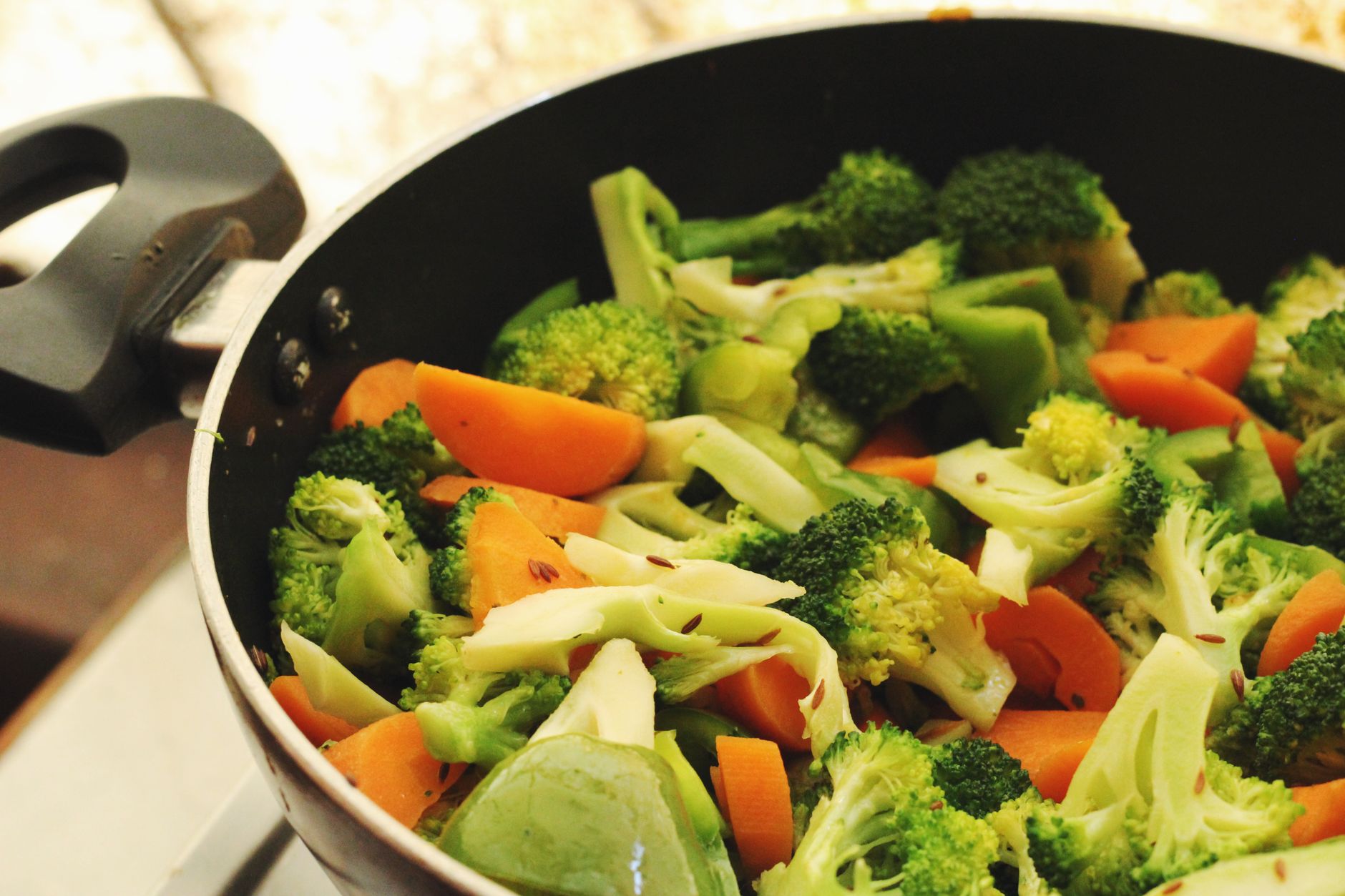
Stir fry is a beloved cooking method celebrated for its speed, simplicity, and ability to showcase seasonal vegetables. It’s a technique that lends itself well to a variety of ingredients, making it a versatile choice for quick weeknight meals or festive gatherings. This article will guide you through the veggies commonly found in stir fry, including preparation and timing tips to achieve the perfect dish.
You’ll discover which vegetables are most suitable for stir frying, how to prepare them, and what timing considerations to keep in mind for optimal flavor and texture. Whether you’re a novice cook or looking to refine your stir-frying skills, this guide is your go-to resource for crafting colorful and nutritious meals.
What Veggies Are in Stir Fry?
Common vegetables in stir fry include bell peppers, broccoli, snap peas, carrots, and onions. These veggies not only contribute to the dish’s vibrant colors but also provide diverse textures and flavors that enhance the overall experience. Choosing the right combination of vegetables can elevate your stir fry from simple to spectacular.
Essential Vegetables for Stir Fry
Here’s an in-depth look at some standard vegetables used in stir fry, along with their tastes, textures, and preparation methods.
1. Bell Peppers
- Flavor: Sweet and mildly tangy.
- Texture: Crisp and crunchy.
- Preparation: Slice into strips or bite-sized pieces. Bell peppers cook quickly, typically needing around 2 to 4 minutes in the pan.
2. Broccoli
- Flavor: Slightly bitter with a hint of earthiness.
- Texture: Tender yet crisp when cooked properly.
- Preparation: Cut the florets into bite-sized pieces, and if using the stalks, peel and slice them as well. Broccoli takes about 3 to 5 minutes to cook in a hot skillet.
3. Snap Peas
- Flavor: Sweet and crisp.
- Texture: Crunchy with a slight snap when bitten.
- Preparation: Simply trim the ends and remove the string if necessary. They cook rapidly, usually within 2 to 3 minutes.
4. Carrots
- Flavor: Sweet and earthy.
- Texture: Crunchy and firm.
- Preparation: Cut into thin julienne strips or rounds for even cooking. Carrots generally require about 4 to 6 minutes of stir frying.
5. Onions
- Flavor: Sweet and savory, with a slight pungency.
- Texture: Softens significantly when cooked but can retain some crispness if added later in the stir fry process.
- Preparation: Slice into thin rings or half-moons. Onions usually take around 3 to 5 minutes to cook, depending on how caramelized you want them.
6. Mushrooms
- Flavor: Earthy and umami-rich.
- Texture:
- Preparation: Clean and slice or quarter. Mushrooms usually need about 4 to 6 minutes to cook until they are tender and releasing their moisture.
7. Zucchini
- Flavor: Mild and subtly sweet.
- Texture: Tender but retains a slight firmness.
- Preparation: Slice into half-moons or strips. Zucchini cooks in approximately 3 to 4 minutes.
8. Baby Corn
- Flavor: Sweet and mildly tangy.
- Texture: Crunchy and tender.
- Preparation: Use whole or slice into smaller pieces. It typically needs 2 to 3 minutes to heat through.
9. Bok Choy
- Flavor: Mild and slightly peppery.
- Texture: Crisp and tender.
- Preparation: Slice the heads into quarters or strips. Cook for about 2 to 4 minutes until just wilted.
10. Cabbage
- Flavor: Sweet and mildly peppery.
- Texture: Crunchy with a slightly crunchy bite.
- Preparation: Slice thinly. Cabbage takes about 3 to 5 minutes in a stir fry.
Timing: When to Add Each Vegetable
Getting the timing right is crucial in stir frying to ensure that all vegetables cook evenly and maintain their texture and flavor. Here’s a general guideline on timing:
- Harder vegetables: Carrots, broccoli, and cabbage should be added first as they require longer cooking time (around 3 to 6 minutes).
- Medium hardness: Bell peppers and mushrooms follow, adding another 2 to 4 minutes of cooking time.
- Quick-cooking veggies: Snap peas, bok choy, and zucchini go in last for a quick 1 to 3 minutes to keep them crisp but cooked.
Preparation Tips
Proper preparation can truly make a difference in how your stir fry turns out. Here are some essential tips to keep your stir fry delicious:
1. Uniform Slicing
Slicing vegetables uniformly ensures even cooking. Aim for similar size and thickness to enable consistent cooking results.
2. High Heat
Stir frying requires high heat to achieve that characteristic “wok hei” or wok breath, which imparts a unique flavor to the dish. Preheat the pan or wok before adding oil.
3. Oil Selection
Use oils with a high smoke point, such as vegetable, canola, or peanut oil, to prevent burning and maintain flavor integrity.
4. Don’t Overcrowd the Pan
Cooking in batches can prevent overcrowding and allow for proper browning. Cook in smaller portions to maintain even heat and cook effectively.
Common Mistakes to Avoid
Many home cooks make similar mistakes when preparing stir fry. Here are some to steer clear of:
1. Overcooking Vegetables
Overcooked veggies lose their crisp texture and vibrant color. Keep an eye on cooking times and aim for tender-crisp results.
2. Ignoring Ingredient Order
Adding all ingredients at once can result in uneven doneness. Pay attention to the cooking times of each vegetable as mentioned above.
3. Using Low Heat
Cooking on low heat will stew rather than stir fry your vegetables, leading to a loss of flavor and texture. Always opt for high heat.
Serving Suggestions for Stir Fry
Once your stir fry is cooked to perfection, consider how to best serve it:
1. Base Choices
- Serve over rice, whether white, brown, or cauliflower rice for a low-carb option.
- Noodles, such as rice noodles or udon, are delightful counterparts in stir fry.
- Enjoy along with steamed buns or as a filling for lettuce wraps.
2. Add Proteins
Enhance your stir fry by adding proteins such as chicken, beef, tofu, or shrimp to transform the dish into a heartier meal. Keep proteins pre-prepped and cook them first before adding the vegetables.
3. Sauces and Seasonings
Finish your stir fry with sauces like soy sauce, teriyaki, or homemade stir-fry sauces to add depth of flavor. Don’t forget to season with fresh herbs such as green onions or cilantro, and sprinkle with sesame seeds for texture.
Make-Ahead and Storage Tips
If you’re planning on making stir fry ahead of time, consider the following:
1. Pre-Cut Vegetables
Wash and cut vegetables in advance, storing them in airtight containers in the refrigerator for up to 3 days.
2. Cooked Stir Fry Storage
Store any leftovers in a sealed container for up to 3 days in the fridge. Reheat gently over a low flame or in the microwave, adding a splash of water to help retain moisture.
3. Freezing
Vegetable stir fry can also be frozen for up to 2 months. Consider lightly blanching vegetables before freezing to maintain color and texture.
Conclusion
Stir fry is an incredibly flexible cooking technique that allows for an endless variety of vegetables and flavors. By selecting a mix of fresh vegetables and paying attention to preparation and timing, you can create a dish that’s not only tasty but also visually appealing. Enjoy experimenting with different combinations and techniques to make the most of your stir frying adventures.
For further inspiration, consider exploring our hibachi vegetables recipe or try your hand at a delicious sautéed mushroom recipe. Happy cooking!