
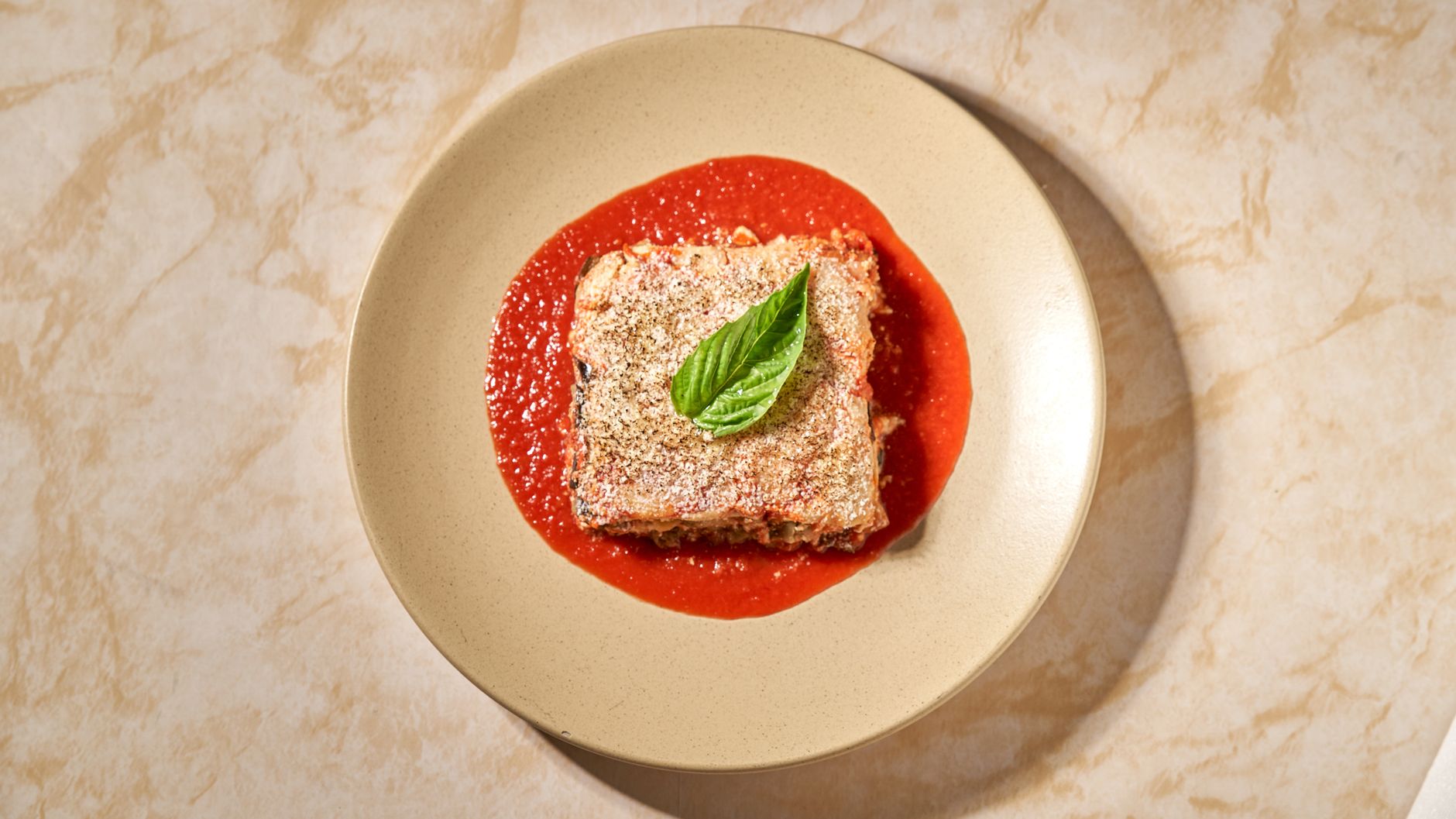
Parmigiana, often referred to in Italian cuisine, typically features layers of ingredients baked with cheese, sauce, and herbs to create a comforting and flavorful dish. While eggplant or chicken Parmigiana are the most commonly known variants, the term “parmigiana” can apply to various ingredients prepared in a similar manner. Understanding this dish’s ingredients, flavor profile, and serving recommendations can help you appreciate and cook it effectively.
This guide will explore the essential components of Parmigiana, variations based on different ingredients, and how to serve this delicious dish to elevate your meals.
What Is Parmigiana?
Parmigiana is an Italian dish that combines layers of ingredients with cheese, often mozzarella or Parmesan, baked until bubbly and golden. It is renowned for its savory flavor and comforting texture, making it a popular choice for family dinners and gatherings all around the world.
Ingredients for Parmigiana
The base ingredients for Parmigiana consist of the primary food item, sauce, cheese, and seasoning. Below is a detailed list of ingredients typically used in a classic Parmigiana dish, along with variations you can incorporate.
Basic Ingredients
- Primary Ingredient:
- Eggplant – Traditional for Eggplant Parmigiana.
- Chicken Breast – Common for Chicken Parmigiana.
- Veal – Often used in Italian-American restaurants.
- Breadcrumbs – For a crispy layer, typical options are plain or seasoned breadcrumbs.
- Cheese:
- Fresh Mozzarella – Offers a creamy melt.
- Parmesan Cheese – Adds a sharp flavor; grated is most common.
- Tomato Sauce – Homemade or store-bought, generally marinara or tomato basil.
- Herbs and Seasonings:
- Fresh Basil – Provides aromatic flavor.
- Oregano – A classic herb in Italian cooking.
- Salt & Pepper – Essential for seasoning.
- Garlic – Fresh or powder, adds depth of flavor.
- Olive Oil – For frying and drizzling.
Variations of Parmigiana
While Eggplant and Chicken Parmigiana are the most common, several variations exist that allow for creativity and flexibility in the kitchen.
- Vegetable Parmigiana – Zucchini, mushrooms, or any seasonal vegetable can be used.
- Fish Parmigiana – One can try layers of a firm fish, such as cod, with the traditional elements.
- Meatball Parmigiana – Meatballs baked in layers with sauce and cheese, an excellent choice for meat lovers.
Flavor Profile and Texture
The flavor of Parmigiana is rich and savory, with a balance of creamy, cheesy goodness and savory notes from the sauce and seasonings. The textures vary depending on the primary ingredient; for example, eggplant Parmigiana features a soft, tender bite contrasted with a crispy breadcrumb layer.
The melted cheese contributes to a creamy texture, while the tomato sauce adds moisture and acidity, cutting through the richness of the cheese. Overall, Parmigiana is a comforting dish that encapsulates the heart of Italian home cooking.
How to Prepare Parmigiana
While preparing Parmigiana can be straightforward, it requires some attention to detail to achieve the best results. Here’s a step-by-step guide for making a classic Chicken Parmigiana, including essential cooking equipment required.
Essential Equipment
- Oven-safe baking dish
- Frying pan or skillet
- Mixing bowls
- Cutting board and knife
- Meat mallet (optional for chicken)
- Whisk or fork (for egg mixture)
Preparation Time
This dish generally requires the following timeframe:
- Preparation Time: 30 minutes
- Cooking Time: 30-40 minutes
- Total Time: 1 hour and 10 minutes
Step-by-Step Instructions
- Preheat your oven to 375°F (190°C).
- If using eggplant, slice it into 1/4-inch thick rounds, sprinkle with salt, and let it sit for about 30 minutes to draw out moisture.
- Prepare a breadcrumb mixture by combining breadcrumbs with grated Parmesan cheese, salt, pepper, and dried herbs.
- Beat eggs in a mixing bowl, and season with salt and pepper.
- For chicken, flatten the breasts to about 1/2 inch thick using a meat mallet. This ensures they cook evenly.
- Dip the chicken breasts in the egg mixture, allowing excess to drip off, then coat them in the breadcrumb mixture, pressing to adhere well.
- Heat olive oil in a skillet over medium heat. Fry the breaded chicken until golden brown, about 3-4 minutes per side.
- In an oven-safe baking dish, spread a thin layer of tomato sauce on the bottom. Layer half of the fried chicken on top.
- Add a layer of tomato sauce over the chicken, followed by slices of mozzarella cheese.
- Repeat the layering process with the remaining chicken, sauce, and cheese.
- Finish with a final layer of Parmesan cheese.
- Bake in the preheated oven for 30-40 minutes, until cheese is bubbly and golden brown.
- Let it rest for 10 minutes before serving.
Common Mistakes to Avoid
Cooking Parmigiana can be simple, but certain missteps are common:
- Not salting eggplant before breading: This step helps to draw out moisture and bitterness, enhancing the overall flavor.
- Skipping the rest time: Allowing the dish to rest after baking helps the layers set, making for easier serving.
- Using toomuch or too little sauce: Finding a balance ensures your dish isn’t greasy and holds its structure.
Serving Suggestions
Parmigiana can make for a well-rounded meal when served with the right accompaniments. Here are some ideas for serving:
- Garlic Bread – Perfect for sopping up sauce.
- Fresh Salad – A side salad with mixed greens and a light vinaigrette balances the richness.
- Pasta – Serve alongside spaghetti or penne for a classic Italian meal.
Make-Ahead Tips
If you plan on preparing Parmigiana ahead of time, consider these tips:
- Assemble the dish up to 24 hours in advance and store it in the refrigerator. Bake when ready to serve.
- Cook and freeze before baking. Allow for thawing and heating through properly before serving.
Storage and Reheating Guidance
Storing leftover Parmigiana correctly is crucial for maintaining its quality:
- Refrigerate within two hours of cooking. Use an airtight container and store for up to 3 days.
- To reheat, place in a preheated oven at 350°F (175°C) for 15-20 minutes until heated through.
- For longer storage, freeze for up to three months. Thaw overnight in the fridge before reheating.
Common Ingredient Substitutions
Sometimes, you may want to make substitutions based on dietary preferences or what’s available:
- For Breadcrumbs: Use crushed crackers, panko, or gluten-free breadcrumbs if needed.
- For Cheese: Try vegan cheese options or a dairy alternative for a lactose-free option.
- For Tomato Sauce: Homemade marinara can replace store-bought, or use pesto for a unique flavor twist.
Exploring Regional Variations
Parmigiana’s roots lie deep in Italian cuisine, but it has many regional variations that differ slightly in preparation and ingredients:
- Southern Italy: Emphasizes the use of eggplant.
- Northern Italy: Often includes veal or different meats and may add cream for a richer sauce.
This highlights that while Parmigiana is beloved worldwide, it maintains its regional characteristics based on tradition and available ingredients.
In summary, Parmigiana is a versatile and satisfying dish that showcases cheese, sauce, and your choice of primary ingredients, making it adaptable for many occasions. With a range of flavor profiles and textures to explore, it is a comforting favorite that can easily become a staple in your cooking repertoire.
For a delightful twist on your Parmigiana, consider trying the Parmesan Crusted Chicken or adding a touch of flavor with a Marsala Sauce as a variation.