
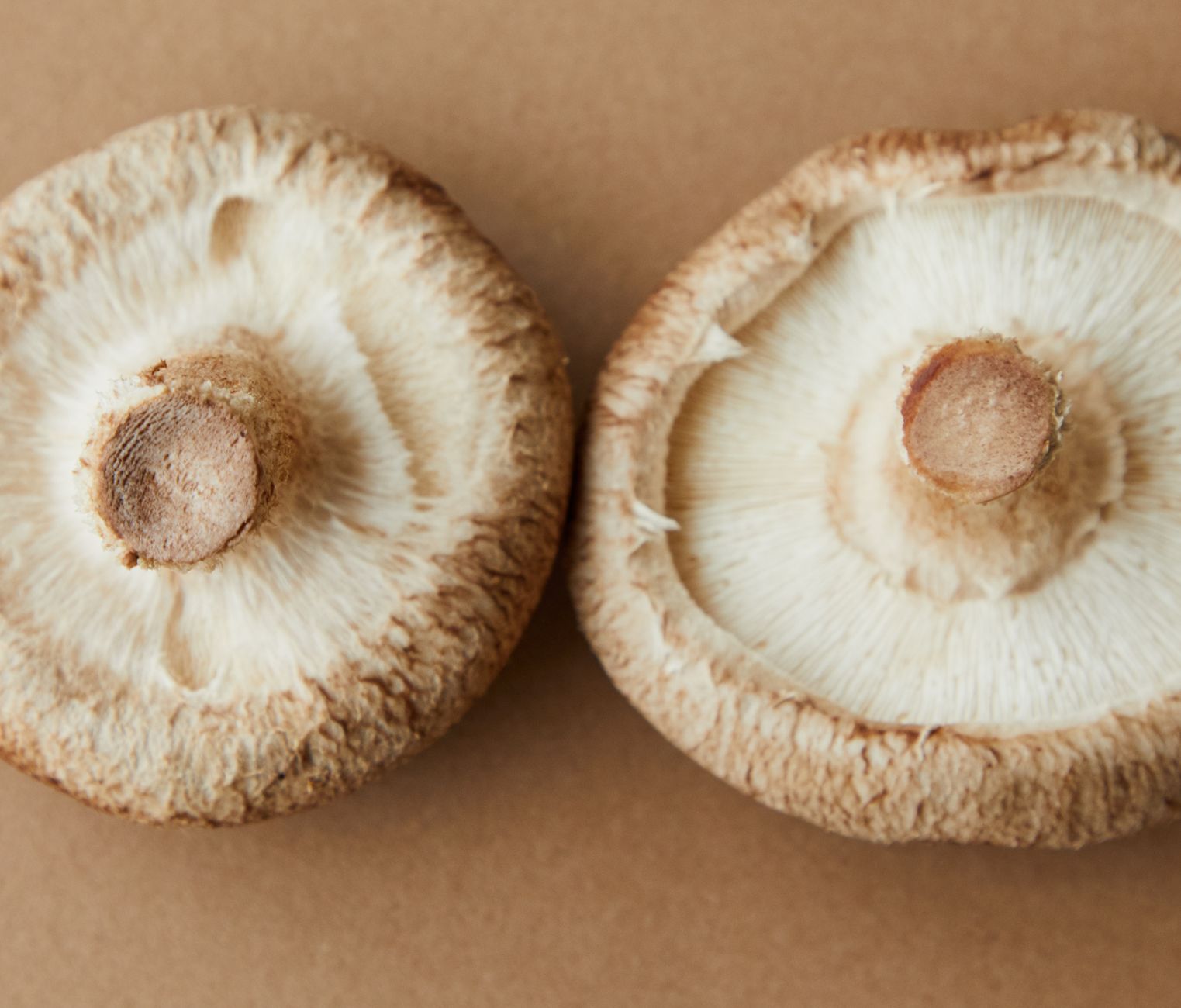
Shiitake mushrooms are a popular variety of edible fungi, cherished for their rich flavor and health benefits. Originating from East Asia, they are a staple in various cuisines, particularly in Japanese and Chinese cooking. Their meaty texture and umami taste make them an excellent choice for many dishes.
In this article, we will explore what shiitake mushrooms are, their taste and texture, culinary uses, and tips for selecting, storing, and preparing them. Whether you are looking to incorporate shiitake mushrooms into your meals or simply want to know more about this versatile ingredient, you will find valuable information here.
What Are Shiitake Mushrooms?
Shiitake mushrooms, known scientifically as Lentinula edodes, are native to East Asia, where they have been cultivated for centuries. Recognized for their distinctive umbrella-shaped caps, which range in color from light brown to dark brown, they also feature white to pale brown gills beneath their caps. Shiitake mushrooms can be found fresh, dried, or in powdered forms, each offering different culinary applications.
Taste and Texture of Shiitake Mushrooms
The flavor profile of shiitake mushrooms is rich, savory, and slightly earthy, with a hint of smokiness, especially in dried varieties. Their umami characteristics make them a popular addition to vegetarian and vegan dishes as they enhance the overall taste without the need for meat. In terms of texture, fresh shiitake mushrooms are firm and slightly chewy, while dried shiitake mushrooms become softer yet retain a pleasant bite once rehydrated.
Culinary Uses of Shiitake Mushrooms
Shiitake mushrooms can be used in a variety of ways within the kitchen. Here are some common methods of incorporating them into various dishes:
Soups and Broths
Shiitake mushrooms add depth to soups and broths. They can be included in miso soup, ramen, or vegetable broth to enhance flavor.
Stir-Fries
They are an excellent addition to stir-fries, pairing well with other vegetables and protein sources. Their texture holds up well during cooking, making them a great choice for quick meals.
Risottos and Pasta
Shiitake mushrooms can elevate risotto or pasta dishes, imparting a rich, earthy flavor that complements other ingredients such as garlic or herbs.
Grilled or Roasted
Their sturdy nature allows shiitake mushrooms to be grilled or roasted. Simply remove the stems, toss the caps with olive oil, salt, and pepper, and cook until browned.
Vegetable Dishes
Incorporating shiitake mushrooms into vegetable-centric dishes adds savory notes. They are great when sautéed with seasonal vegetables.
Sauces and Marinades
Dried shiitake mushrooms can be rehydrated and used to create rich sauces and marinades, imparting their unique flavor to meats, tofu, or vegetables.
Choosing the Right Shiitake Mushrooms
When selecting shiitake mushrooms, freshness and quality are key. Follow these guidelines to choose the best mushrooms:
- Fresh Shiitake: Look for firm caps that are free from blemishes and discoloration. They should exude a pleasant earthy aroma.
- Dried Shiitake: When purchasing dried shiitake mushrooms, check for uniformity in size and color. They should have a strong, deep aroma.
- Organic Options: Consider buying organic shiitake, as they are grown without harmful pesticides and herbicides.
How to Store Shiitake Mushrooms
The way you store shiitake mushrooms can affect their longevity and flavor. Here are recommendations for both fresh and dried varieties:
Fresh Shiitake Mushrooms
- Store fresh shiitake mushrooms in a paper bag in the refrigerator. Avoid airtight containers as they can promote moisture buildup and spoilage.
- Use fresh shiitake mushrooms within a week for optimal flavor and texture.
Dried Shiitake Mushrooms
- Dried shiitake mushrooms should be kept in an airtight container in a cool, dry place, away from direct sunlight.
- They can last for several months to a year when stored properly.
Preparing Shiitake Mushrooms
Cleaning and preparing shiitake mushrooms is straightforward. Follow these steps to ensure they are ready for cooking:
- Cleaning: Use a damp paper towel or a soft brush to clean the caps. Avoid washing them with water as mushrooms soak up moisture.
- Removing Stems: Carefuly cut off the tough stems as they can be fibrous. The caps are the primary focus for culinary uses.
- Slicing: Depending on your dish, slice the caps into uniform pieces for even cooking. You can leave them whole for grilling or roasting.
Using Dried Shiitake Mushrooms
Dried shiitake mushrooms are versatile and can be used in various dishes. Before using them, they need to be rehydrated. Here’s how:
- Soaking: Place dried shiitake mushrooms in a bowl and cover them with warm water. Let them soak for about 30 minutes to an hour, or until they become plump.
- Strain and Reserve Liquid: Once rehydrated, remove the mushrooms and strain the soaking liquid through a fine mesh to filter out any impurities. This liquid can be used as a flavorful broth.
- Slice and Cook: Slice the rehydrated mushrooms and incorporate them into your dishes as desired.
Practical Substitutions for Shiitake Mushrooms
If you find yourself without shiitake mushrooms, other types can serve as suitable substitutes. Consider these alternatives:
- Cremini Mushrooms: These have a similar texture and depth of flavor, making them a great alternative for many recipes.
- Portobello Mushrooms: Their meaty texture works well in dishes that require shiitake mushrooms, especially when grilled or roasted.
- Button Mushrooms: While milder in flavor, they can be used when no other options are available, with the understanding that the dish might lack the depth offered by shiitake.
Common Mistakes When Cooking with Shiitake Mushrooms
A few common pitfalls can undermine the quality of your dishes featuring shiitake mushrooms. Here’s how to avoid them:
- Overcooking: Shiitake mushrooms, like most mushrooms, can become rubbery if overcooked. Keep cooking times short, especially with fresh mushrooms.
- Improper Cleaning: Make sure to clean them properly. Rinsing under water can make them soggy and dilute flavors.
- Not Using the Stems: While the stems are tough, they can be simmered to create a flavorful broth. Use them to enhance soups and stocks.
Serving Suggestions
Shiitake mushrooms can be served in various ways based on the type of dish you prepare. Here are a few suggestions:
- As a topping: Use sautéed shiitake mushrooms as a topping for pizza or bruschetta.
- In salads: Incorporate grilled shiitake mushrooms into salads for added flavor and texture.
- In rice dishes: Add them to fried rice or pilaf for an umami twist.
Conclusion
Shiitake mushrooms are a versatile ingredient that can enhance a wide range of dishes with their rich flavor and unique texture. Understanding their culinary applications, storage methods, and preparation techniques will help you make the most of this wonderful mushroom.
Expand your culinary knowledge by experimenting with shiitake mushrooms in various recipes or exploring other types of mushrooms, such as enoki or fried mushrooms, for added variety in your cooking. For more delicious ideas, check out our Enoki Mushroom Recipe and Fried Mushroom Recipe.