
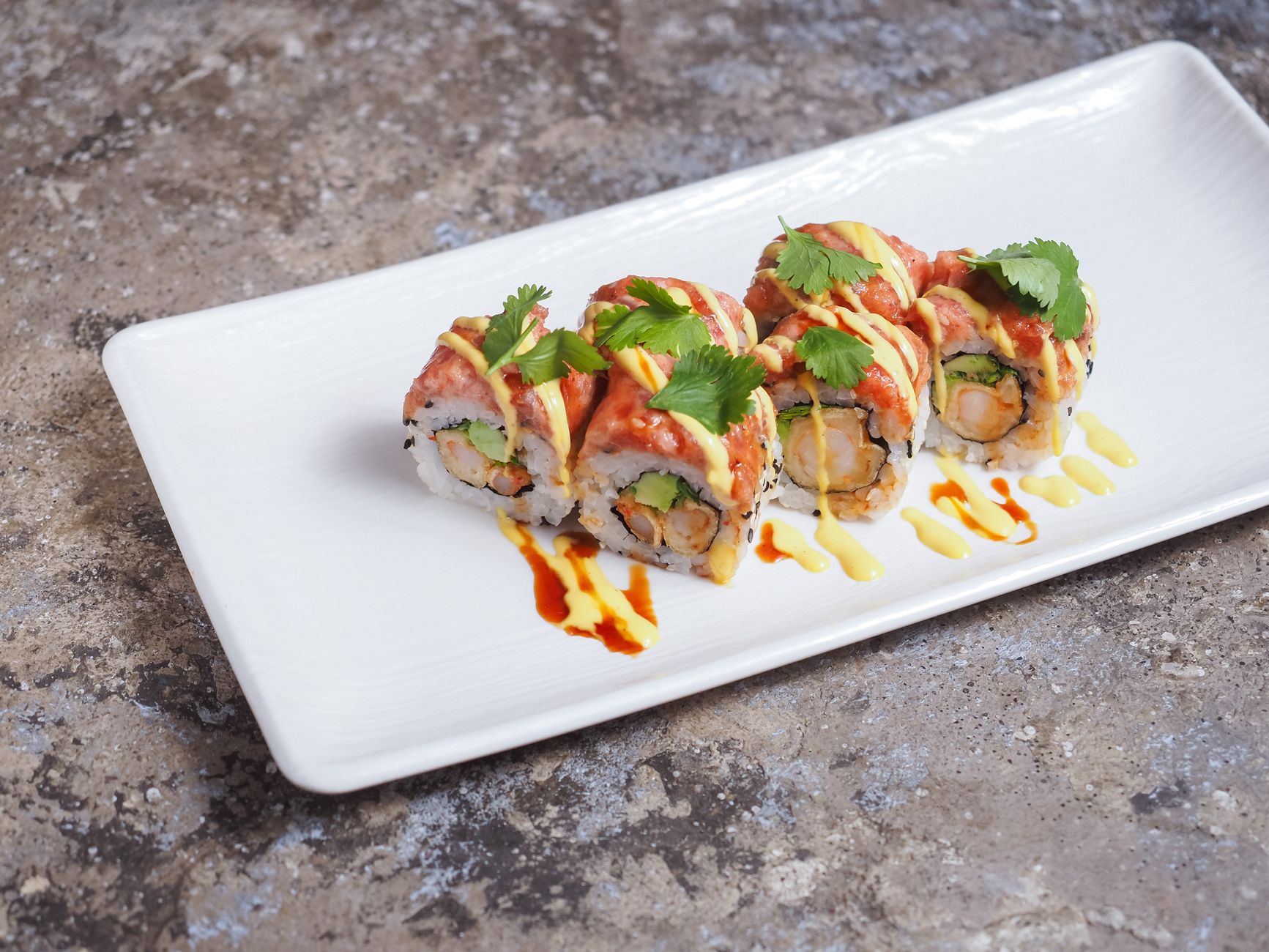
Yum Yum Sauce is a popular condiment that pairs well with various dishes, particularly those from Japanese steakhouses. Often enjoyed with steak, grilled seafood, and vegetables, its creamy texture and slightly sweet flavor make it a favorite for many. However, for those with gluten sensitivities or celiac disease, understanding whether this savory sauce contains gluten is essential.
This article will explore the ingredients commonly used in Yum Yum Sauce and provide insight into whether gluten is present. We’ll also look at alternatives and variations for those looking to create gluten-free options at home.
Does Yum Yum Sauce Have Gluten?
The primary ingredients in traditional Yum Yum Sauce do not inherently contain gluten. However, some store-bought versions may include gluten-containing additives or ingredients. Typically, Yum Yum Sauce consists of mayonnaise, tomato paste, vinegar, sugar, garlic powder, and various spices. Therefore, if these ingredients are sourced carefully, the sauce can be made gluten-free.
Common Ingredients in Yum Yum Sauce
To better understand whether Yum Yum Sauce contains gluten, it is essential to examine its common ingredients:
- Mayonnaise: The base of Yum Yum Sauce, mayonnaise is typically made from eggs, oil, and vinegar, none of which contain gluten.
- Tomato Paste: This ingredient adds a rich tomato flavor and is naturally gluten-free.
- Vinegar: Most vinegar varieties, such as white vinegar and apple cider vinegar, do not contain gluten. However, check for malt vinegar, which is derived from barley and contains gluten.
- Sugar: Plain granulated sugar is gluten-free, contributing to the sauce’s sweetness.
- Garlic Powder: A common seasoning in many recipes, garlic powder is gluten-free.
- Spices: Various spices may be added; most are gluten-free, but it’s essential to ensure they don’t come from a facility that also processes gluten-containing grains.
Store-Bought Yum Yum Sauce: Reading Labels Carefully
If you prefer convenience and choose store-bought Yum Yum Sauce, be sure to read the labels carefully. Here are some steps to ensure the product is gluten-free:
- Check for Gluten-Free Label: Look for products that are specifically labeled as gluten-free. This ensures that no gluten was included during production.
- Review the Ingredient List: Ensure that none of the ingredients contain gluten, including any additional flavorings or stabilizers.
- Avoid Malt Ingredients: Be cautious of ingredients such as malt vinegar, which contains gluten.
- Contact the Manufacturer: If in doubt, reach out to the manufacturer to confirm that their product is gluten-free.
Making Gluten-Free Yum Yum Sauce at Home
Making Yum Yum Sauce at home is a straightforward process that allows you to control all ingredients and ensure that the sauce is gluten-free. Here’s a simple recipe to try:
Homemade Gluten-Free Yum Yum Sauce Recipe
- Preparation Time: 5 minutes
- Yield: About 1 cup
Ingredients:
- 1 cup mayonnaise (check for gluten-free brands)
- 2 tablespoons tomato paste
- 1 tablespoon white vinegar (ensure it is gluten-free)
- 1 tablespoon sugar
- 1 teaspoon garlic powder
- 1 teaspoon onion powder
- 1 teaspoon paprika
- Salt and pepper to taste
Instructions:
- In a mixing bowl, combine the mayonnaise and tomato paste.
- Add the vinegar, sugar, garlic powder, onion powder, and paprika. Mix well until fully combined.
- Season with salt and pepper to taste.
- Refrigerate for at least 30 minutes to allow flavors to meld.
- Serve as a dipping sauce or drizzle over your favorite grilled dishes.
Substitutions and Variations for Yum Yum Sauce
Catering to different dietary needs or preferences is easy with Yum Yum Sauce. Here are some substitutions and variations:
- Vegan Version: Use vegan mayonnaise instead of traditional mayonnaise to make the sauce plant-based.
- Low-Fat Option: Substitute mayonnaise with Greek yogurt for a lighter sauce while maintaining creaminess.
- Spicy Variation: Add sriracha or hot sauce to give the sauce a spicy kick.
- Herbed Version: Incorporate fresh or dried herbs such as dill or parsley for a different flavor profile.
Common Mistakes and Troubleshooting
When making Yum Yum Sauce at home, it’s helpful to be aware of common pitfalls and how to avoid them:
- Too Thick: If the sauce is too thick, add a tablespoon of water or additional vinegar to reach your desired consistency.
- Overpowering Tomato Flavor: If the tomato paste is overwhelming, reduce the amount or mix in additional mayonnaise to balance the flavors.
- Too Sweet: If you find the sauce too sweet, add a pinch of salt or a bit of lemon juice to counteract the sweetness.
Serving Suggestions for Yum Yum Sauce
Yum Yum Sauce is versatile and can complement various dishes. Here are some great serving suggestions:
- Use it as a dipping sauce for shrimp, chicken tenders, or vegetable skewers.
- Drizzle it over grilled vegetables or salads for added flavor.
- Pair it with sushi rolls, especially those filled with tempura vegetables or shrimp.
- Use it as a spread on sandwiches or wraps for a tasty twist.
Storage and Reheating Tips
Homemade Yum Yum Sauce is best used fresh, but it can be stored in the refrigerator for up to one week if properly sealed in an airtight container. It’s important to know that Yum Yum Sauce should not be frozen as the texture could change. If the sauce thickens while refrigerated, simply stir in a little water or vinegar to regain the desired consistency.
Other Gluten-Free Condiments to Explore
If you’re exploring gluten-free condiments, consider these delicious options:
- Soy Sauce: Opt for gluten-free soy sauce made from tamari.
- BBQ Sauce: Many brands offer gluten-free BBQ sauce; just check the label.
- Hot Sauce: Most hot sauces are gluten-free but verify the ingredient list.
Conclusion
Yum Yum Sauce can be a gluten-free delight if you choose the right ingredients and prepare it carefully. Whether you opt for a store-bought version or whip up a batch at home, keeping gluten in mind ensures you can enjoy this sauce without worry. For a simple homemade version, follow our recipe and get creative with flavors!
Explore more about gluten-free options by checking out recipes for Basmati Rice and Potatoes. Enjoy your cooking adventures!