
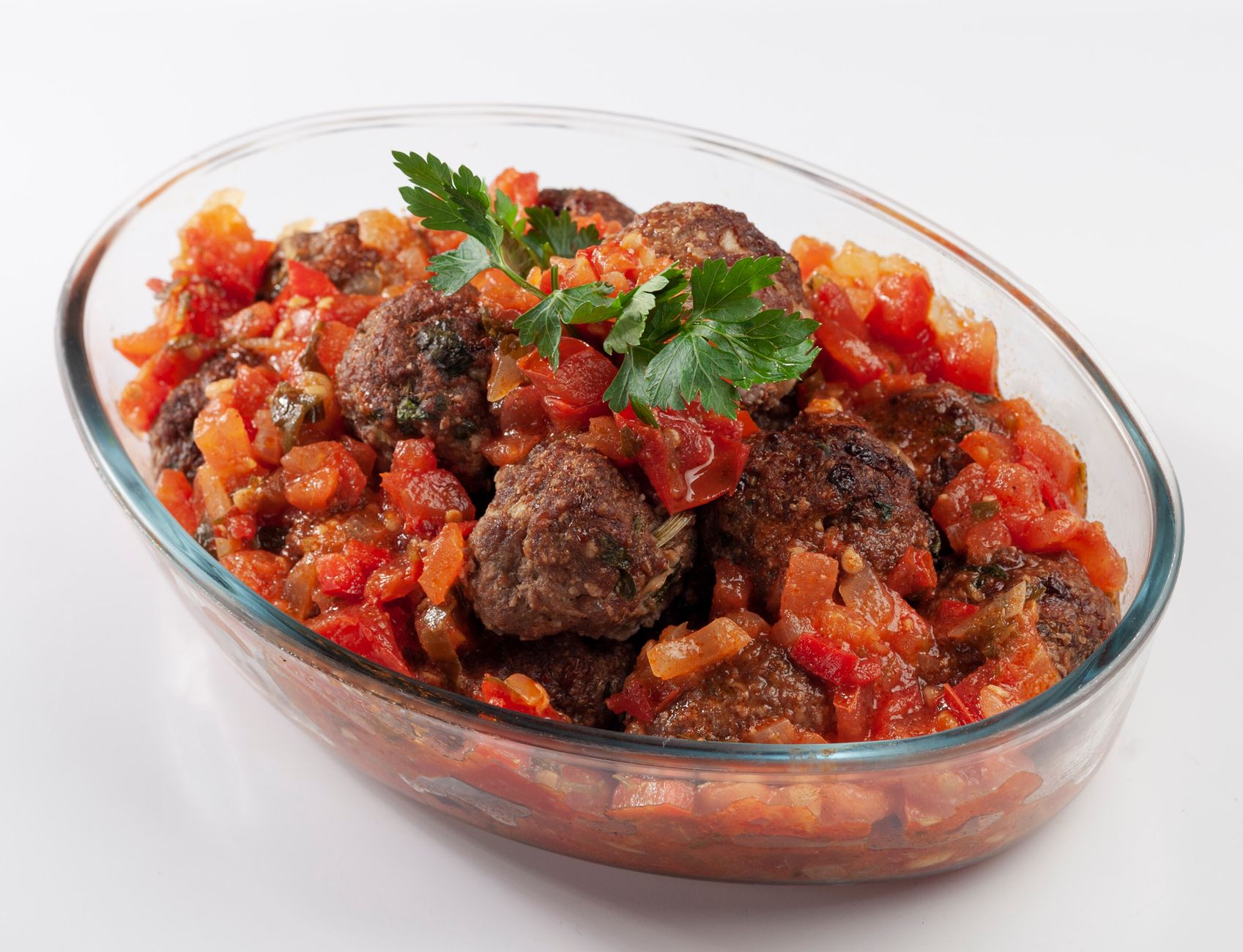
Cooking meatballs in sauce is a classic culinary technique that results in flavorful and tender bites, perfect for various dishes, from spaghetti to subs. Understanding how long it takes to cook meatballs in sauce ensures that you achieve optimal doneness while preserving the sauce’s flavor.
Whether you are preparing a family dinner or hosting a small gathering, this comprehensive guide covers the essential cooking times, methods, and tips to elevate your meatball game.
How Long to Cook Meatballs in Sauce?
The cooking time for meatballs in sauce typically ranges from 20 to 45 minutes, depending on various factors, including the size of the meatballs and the cooking method used. It’s crucial to ensure the internal temperature of the meatballs reaches 160°F (71°C) for safe consumption.
Factors Influencing Cooking Time
Several factors can affect how long it takes to cook meatballs in sauce. Understanding these will help you plan your cooking more effectively.
- Size of the Meatballs: Larger meatballs take longer to cook than smaller ones. A standard meatball size is about 1 inch in diameter, taking around 20 to 25 minutes, while bigger meatballs may need up to 30 to 45 minutes.
- Temperature of the Sauce: If you start cooking meatballs in a simmering sauce, they will cook faster than if the sauce is cold or just warm.
- Cooking Method: The method you choose (simmering on the stove, baking in the oven, or using a slow cooker) will greatly influence cooking times.
- Meat Composition: The type of meat used (beef, pork, chicken, or turkey) can alter the cooking time due to differences in fat content and density.
Preparing Meatballs for Cooking
Before you cook your meatballs, it’s essential to make them properly to ensure they are moist and flavorful. Here’s how to prepare meatballs:
Ingredients for Basic Meatballs
- 1 pound ground meat (beef, pork, turkey, or a combination)
- 1/2 cup breadcrumbs
- 1/4 cup grated Parmesan cheese
- 1/4 cup finely chopped onion
- 1 clove garlic, minced
- 1 large egg
- 1 tablespoon chopped fresh parsley (or 1 teaspoon dried)
- Salt and pepper to taste
Step-by-Step Meatball Preparation
- In a large mixing bowl, combine the ground meat, breadcrumbs, Parmesan cheese, onion, garlic, egg, parsley, salt, and pepper.
- Mix the ingredients gently until well combined, being careful not to overwork the meat.
- Shape the mixture into meatballs, approximately 1 inch in diameter. If they are larger, adjust the cooking time accordingly.
Cooking Methods
There are several methods to cook meatballs in sauce, each offering unique flavors and textures.
Stovetop Cooking
Stovetop cooking allows you to cook meatballs directly in the sauce, ensuring the meat absorbs flavors while cooking.
Method:
- Heat your sauce in a large skillet over medium heat until it simmers.
- Add the meatballs to the sauce, ensuring they are submerged.
- Cover the skillet and simmer on low heat for 20 to 30 minutes, gently stirring occasionally to prevent sticking.
- Use a meat thermometer to check that the internal temperature has reached 160°F (71°C).
Oven Baking
Baking meatballs in the oven provides a more hands-off approach while achieving a nice browned exterior.
Method:
- Preheat your oven to 400°F (200°C).
- Arrange the meatballs on a baking sheet lined with parchment paper.
- Bake for 20 to 25 minutes, or until the internal temperature reaches 160°F (71°C).
- Transfer the meatballs to a simmering pot of sauce for an additional 10 to 15 minutes to absorb the flavor before serving.
Slow Cooker
The slow cooker is ideal for preparing larger batches and allows for great flavor development over a more extended cooking period.
Method:
- Place meatballs in the slow cooker and pour your sauce over them.
- Cover and cook on low for 6 to 8 hours or on high for 3 to 4 hours.
- Check that the internal temperature of the meatballs reaches 160°F (71°C) before serving.
Doneness and Safety Tips
Ensuring your meatballs are adequately cooked is crucial for food safety. Here’s what you need to know:
- Use a Meat Thermometer: The most reliable way to determine doneness is using a meat thermometer. Insert it into the center of a meatball.
- Check Color and Texture: Properly cooked meatballs should have no pink inside, and juices should run clear.
Common Mistakes to Avoid
To ensure perfect meatballs every time, here are some common pitfalls to avoid:
- Using too much binders like breadcrumbs can lead to tough meatballs. Keep the ratio balanced.
- Overmixing the meat can result in dense meatballs, so mix just until combined.
- Skipping the browning step when baking can leave meatballs with less flavor. Browning adds a delicious crust.
Storage and Reheating
If you have leftovers, storing and reheating them properly ensures the best flavor and safety.
Storing Meatballs
- Refrigerate cooked meatballs in a covered container for up to 3 to 4 days.
- Freeze uncooked meatballs by placing them on a baking sheet until firm, then transferring them to a freezer bag for up to 3 months.
Reheating Meatballs
- To reheat, place meatballs in a saucepan with sauce over low heat until heated through.
- For microwave reheating, cover meatballs with sauce in a microwave-safe dish and heat in short intervals, stirring in between.
Serving Suggestions
Meatballs in sauce can elevate a variety of dishes. Some serving ideas include:
- Classic spaghetti and meatballs topped with Parmesan cheese and basil.
- Meatball subs with melted cheese on crusty bread.
- On a bed of zucchini noodles for a low-carb option.
- In sandwiches or sliders garnished with fresh herbs.
Variations and Substitutions
Meatballs are versatile, and you can customize them to suit your taste. Here are some variations:
Meat Options
- Turkey or Chicken: For a lighter option, substituting ground turkey or chicken works well; just be cautious to avoid overcooking.
- Vegetarian/Vegan: Substitutes like lentils, chickpeas, or quinoa can be used as a base for meatless meatballs.
Flavor Variations
- Spicy Meatballs: Add red pepper flakes or chopped jalapenos to the mixture for a kick.
- Herb-Infused: Experiment with fresh herbs like basil, cilantro, or rosemary to give your meatballs distinct flavors.
Final Thoughts
Cooking meatballs in sauce is less about strict timeframes and more about achieving the right doneness while ensuring maximum flavor infusion. Understanding the factors that influence cooking time and employing the proper methods will help you create meatballs your family and friends will love.
Ready to explore other delicious recipes? Check out our baby shower meatballs recipe or our flavorful grape jelly meatball recipe for creative twists on this classic dish.