
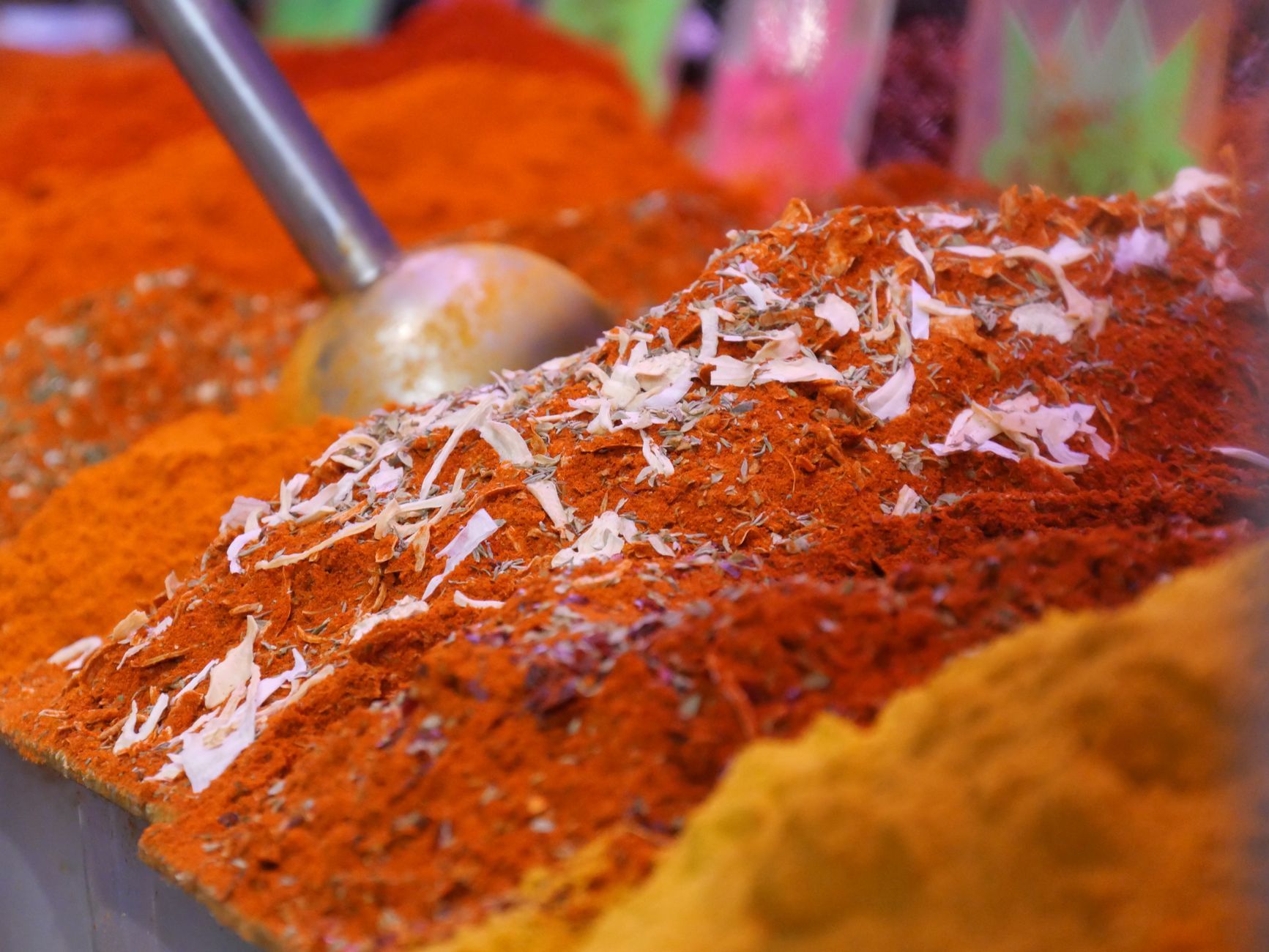
Garam masala is a popular spice blend in Indian cuisine, but there is often confusion about whether it is the same as curry powder. Understanding the differences can help elevate your cooking and enhance the flavors of your dishes.
This article explores the composition of garam masala, its uses in cooking, and how it relates to curry powder. We will also look at regional varieties, substitutions, and the best ways to incorporate these spice blends into your meals.
Is Garam Masala Curry Powder?
No, garam masala is not curry powder, although they are both spice blends commonly used in Indian cooking. Garam masala generally tends to be warmer and more aromatic, while curry powder often has a distinct yellow color from turmeric and a more diverse blend of spices.
Understanding Garam Masala
Garam masala, which translates to “warm spice mix,” is an aromatic blend of spices that varies widely by region and personal preference. The spices commonly featured include:
- Cumin
- Coriander
- Cinnamon
- Cardamom
- Cloves
- Black pepper
- Nutmeg
- Bay leaves
These spices are usually roasted before being ground to bring out their essential oils and enhance the flavor. Garam masala is typically added towards the end of cooking to preserve its aromatic qualities.
Understanding Curry Powder
Curry powder is a British invention, designed to replicate the flavors of Indian curries but is typically less complex than garam masala. The blend usually includes:
- Tumeric
- Cumin
- Coriander
- Fenugreek
- Mustard seeds
- Chili powder
While some recipes might call for garam masala to enhance curry powder dishes, they are generally not interchangeable. Curry powder is often used at the beginning of cooking to infuse the base with flavor.
Flavor Profile Comparison
The flavor profiles between garam masala and curry powder differ significantly. Here is a breakdown of what you can generally expect:
| Aspect | Garam Masala | Curry Powder |
|---|---|---|
| Flavor | Pungent, warm, and aromatic | Earthy, tangy, and sometimes spicy |
| Color | Brownish, depending on the spices | Yellow, due to turmeric |
| Use | Added towards the end | Added at the start |
Regional Variations of Garam Masala
Garam masala is not a standardized recipe; various regions in India have their own unique blends. Here are some notable variations:
- Punjabi Garam Masala: Often includes more dried spices like turmeric and is known for its robust flavor.
- Bengali Garam Masala: Typically features bay leaves and dried red chilies, giving it a distinct aroma.
- South Indian Garam Masala: May include curry leaves and mustard seeds for a different taste profile.
How to Use Garam Masala in Cooking
Incorporating garam masala into your cooking enhances not only the flavor but also the aroma of your dishes. Here are some practical uses:
- Add to Curries: Stir garam masala into a curry right at the end of cooking for a burst of flavor.
- Use in Marinades: Mix with yogurt and use it to marinate meats or tofu.
- Sprinkle on Roasted Vegetables: Toss your vegetables in garam masala before roasting for an aromatic twist.
- Add to Soups and Stews: Enhance your soups with a teaspoon or two of garam masala for a warm flavor.
Common Mistakes When Using Garam Masala
To make the most out of garam masala, avoid these common errors:
- Adding Too Early: Adding garam masala at the beginning of cooking can diminish its aroma. Always add it towards the end.
- Using Too Much: A little goes a long way; start with a small amount and increase as necessary.
- Ignoring Freshness: Store garam masala in a cool, dark place to maximize its freshness. Ground spices lose potency faster than whole spices.
How to Store Garam Masala
For maximum flavor retention, store garam masala in an airtight container, away from light and moisture. Ground spices typically last six months to one year, while whole spices can last up to two years. Remember to check for any changes in aroma or flavor prior to use.
Substitutions for Garam Masala
If you find yourself without garam masala, a few alternatives can mimic its flavor profile:
- DIY Garam Masala: Combine equal parts of cumin, coriander, and cardamom for a quick substitute. Add a pinch of nutmeg for warmth.
- Curry Powder with Adjustments: Use curry powder and add extra black pepper, cinnamon, and cardamom to balance the flavors.
- Allspice Mix: In a pinch, a mixture of allspice can provide some of the warm notes that garam masala offers.
Cooking with Curry Powder
Curry powder can be used in various dishes to impart a distinctly different flavor. Here are several practical applications:
- Curries: Use it as the primary spice for a variety of curries, such as chicken, eggplant, or lentil curry.
- Soups: Add a tablespoon to soups for a flavor boost, particularly in cream or coconut-based soups.
- Rice Dishes: Stir into rice when cooking for a flavorful side dish.
Common Mistakes When Using Curry Powder
To achieve the best flavor from curry powder, keep these tips in mind:
- Too Much Cooking: Avoid cooking curry powder at high heat for long periods; it can become bitter.
- Skipping the Oil: Bloom spices in oil to release their essential oils before adding liquids.
- Not Mixing Freshly: Stick to small batches; older powders lose potency.
Storage Tips for Curry Powder
Store curry powder in a cool, dry place. An airtight container is best for preserving its flavor. On average, curry powder lasts about six months for optimal flavor.
Final Note: When to Use Each Spice Blend
Choosing between garam masala and curry powder depends on the flavor profile you are after. Here’s a quick guide:
- Use Garam Masala: When you want a warm, aromatic flavor in dishes like biryani, butter chicken, or dal.
- Use Curry Powder: For robust curries and hearty soups where you want a tangy, earthy profile.
Understanding the distinctions between garam masala and curry powder will enable you to select the right spice blend for your cooking. Knowing when and how to use these spices can result in stellar dishes that reflect the rich traditions of Indian cuisine.
Explore more about spice blends and their uses in the kitchen. Check out our delicious shrimp curry recipe or learn about Chinese 5 spice to add variety to your cooking.