
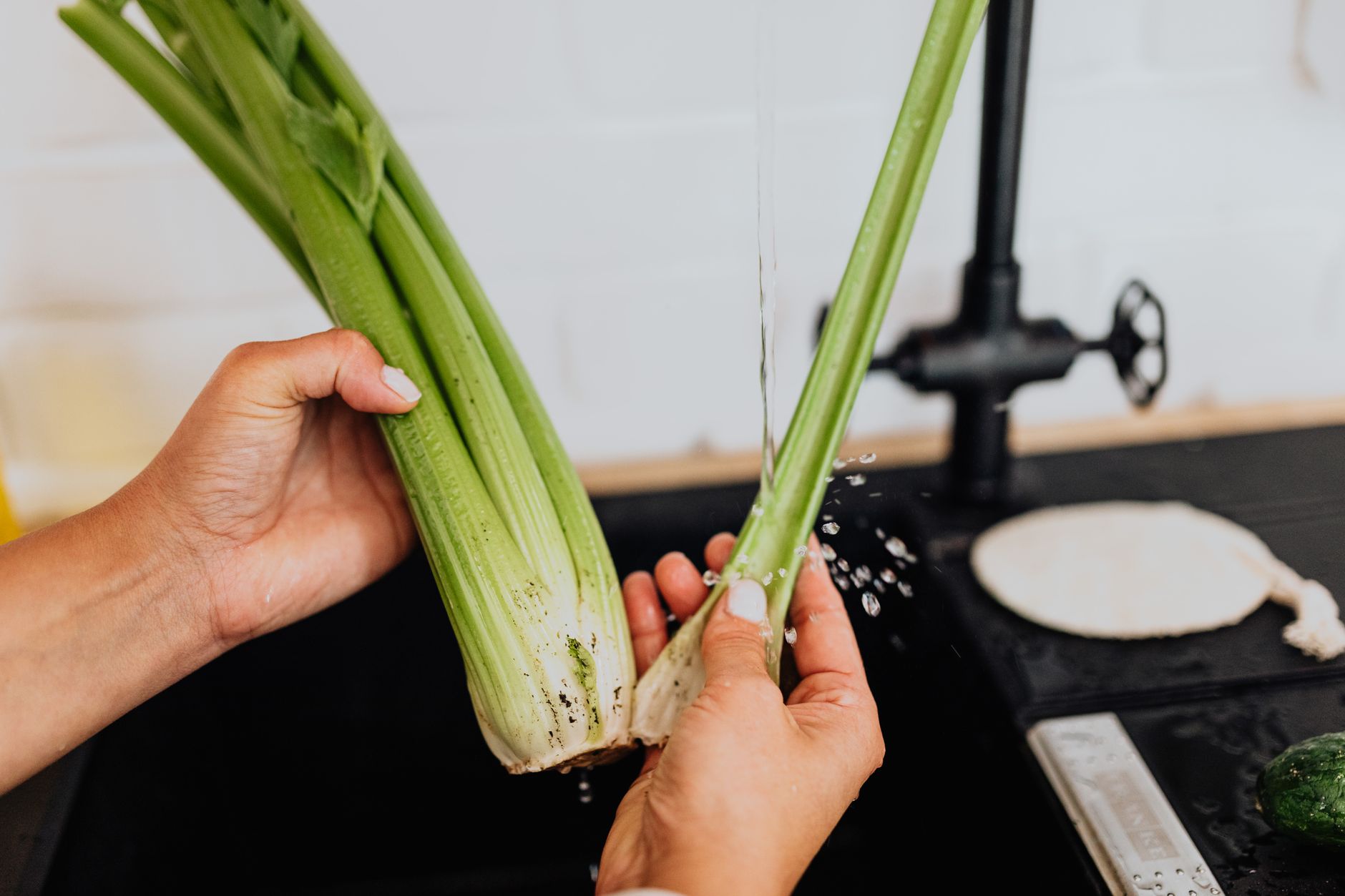
Celery is a versatile vegetable known for its crisp texture and mild flavor. It’s often used in salads, snacks, soups, and stir-fries. However, many wonder, “Is celery safe to eat?” This article dives into the food safety aspects, preparation tips, and serving suggestions to ensure that you can enjoy celery with confidence.
We’ll explore the nutritional benefits of celery, the best ways to wash and store it, potential health risks, and how to incorporate this crunchy vegetable into your meals. Whether you’re starting a new diet or simply adding more vegetables to your diet, understanding celery’s safety and handling will enhance your culinary experience.
Is Celery Safe to Eat?
Yes, celery is safe to eat when properly washed and prepared. However, it’s important to be aware of potential risks like pesticide residues, bacterial contamination, and food allergies. Following safe food handling and storage practices ensures that you can enjoy celery without worry.
Benefits of Eating Celery
Celery isn’t just safe to eat; it has numerous health benefits that make it a great addition to your diet:
- Low in calories: Celery is an excellent snack option for those looking to maintain or lose weight due to its low calorie content.
- High in water content: Consisting of about 95% water, it helps with hydration.
- Rich in vitamins and minerals: It contains vitamins K, C, and several B vitamins as well as potassium, folate, and fiber.
- Antioxidant properties: Contains antioxidants that may reduce inflammation and combat oxidative stress.
How to Select Fresh Celery
Choosing fresh celery is crucial for enjoying its taste and nutritional benefits. Here are some pointers:
- Look for vibrant color: Fresh celery should have a bright green color. Avoid stalks that are yellowing or have brown spots.
- Check for firmness: Celery should feel crisp and firm. If it’s limp or bendy, it’s past its prime.
- Avoid defects: Steer clear of any stalks with bruising or decay.
Washing Celery Safely
Before consuming celery, it’s essential to wash it properly to remove dirt, bacteria, and pesticide residues. Follow these steps:
- Rinse each stalk under cold running water.
- Use a vegetable brush to scrub the surfaces thoroughly.
- Remove any leaves that appear decayed or damaged.
- Pat the stalks dry with a clean towel or paper towel.
Potential Risks Associated with Eating Celery
While celery is generally safe, there are some considerations to be aware of:
Pesticide Residues
Celery ranks high on the Environmental Working Group’s list of fruits and vegetables with pesticide residues. It’s advisable to buy organic celery or wash conventionally grown celery thoroughly. Peeling is another option, but this might reduce some nutritional benefits.
Bacterial Contamination
Certain bacteria such as E. coli or Salmonella can contaminate celery, especially if it’s not washed properly. Proper washing and handling can minimize this risk.
Allergic Reactions
Some individuals may have an allergy to celery, leading to symptoms such as itching, swelling, or gastrointestinal distress. If you suspect an allergy, consult a healthcare professional.
Preparation and Cooking Tips for Celery
Celery can be prepared in various ways, depending on how you wish to use it:
Raw Celery
Raw celery is often added to salads or served as a crunchy snack. Pair it with dips like hummus or peanut butter for added flavor.
Cooked Celery
Cooked celery can be included in soups, stews, or stir-fries. Cooking can enhance its flavor and make it softer:
- For soups and stews, chop celery finely and sauté it with onions before adding other ingredients.
- In stir-fries, slice celery diagonally for a more attractive presentation.
Blanching Celery
Blanching celery before freezing helps to retain its flavor and color. To blanch, follow these steps:
- Bring a pot of water to a boil.
- Add chopped celery and cook for 2-3 minutes.
- Immediately transfer it to an ice bath to stop the cooking process.
- Dry and pack in freezer bags for storage.
Serving Suggestions
There are countless ways to enjoy celery!
- In Salads: Add chopped celery to green salads or grain-based salads for a crunchy texture.
- With Dips: Serve celery sticks with hummus, ranch dressing, or guacamole for a healthy snack.
- In Smoothies: Blend celery with leafy greens and fruits for an invigorating smoothie.
- As a Garnish: Use celery leaves as a garnish for dishes, adding a fresh flavor.
Storage Tips for Celery
Correct storage methods will help maintain celery’s freshness:
- Refrigerate: Store celery in the vegetable crisper drawer. It can last up to two weeks if kept in a breathable bag or wrapped in a damp paper towel.
- Cut and Cut: If cut, place the celery in a container with a small amount of water, covering the tops with a lid or plastic wrap. Change the water every few days.
Substitutes for Celery
If you do not have celery on hand or need a substitution, here are some alternatives:
- Carrots: They provide a crunchy texture and sweetness but a different flavor profile.
- Cucumber: Offers a refreshing crunch, suitable for salads but lacks the robust flavor of celery.
- Fennel: Adds a mild anise flavor; it can be sliced thinly in salads or roasted as an alternative.
Common Mistakes When Using Celery
To ensure the best experience with celery, here are some common mistakes to avoid:
- Skipping Washing: Always wash celery before eating or cooking to remove contaminants.
- Improper Storage: Avoid storing celery in a sealed plastic bag, which traps moisture and can lead to spoilage.
- Overcooking: Ensure that celery maintains some crunch when cooked to preserve its texture.
What to Pair with Celery
Celery pairs excellently with a variety of foods:
- Cheese: Cream cheese or soft cheese spreads enhance the flavor.
- Nuts and Seeds: Almonds or sunflower seeds make for nutritious toppings.
- Other Vegetables: Combine with carrots, bell peppers, or cucumbers for platters.
Final Thoughts on Celery Safety
Celery is a nutritious and widely used vegetable that is safe to eat when prepared and stored correctly. Washing it thoroughly can eliminate most of the risks associated with pesticides and bacteria. From salads to snacks, there are endless ways to incorporate this vegetable into your meals, making it an essential part of a healthy diet. Remember to explore techniques for cooking and serving celery to maximize its potential in your dishes.
As you continue on your culinary journey, check out these related resources: can dogs eat cheddar cheese and explore if you can eat raw asparagus.