
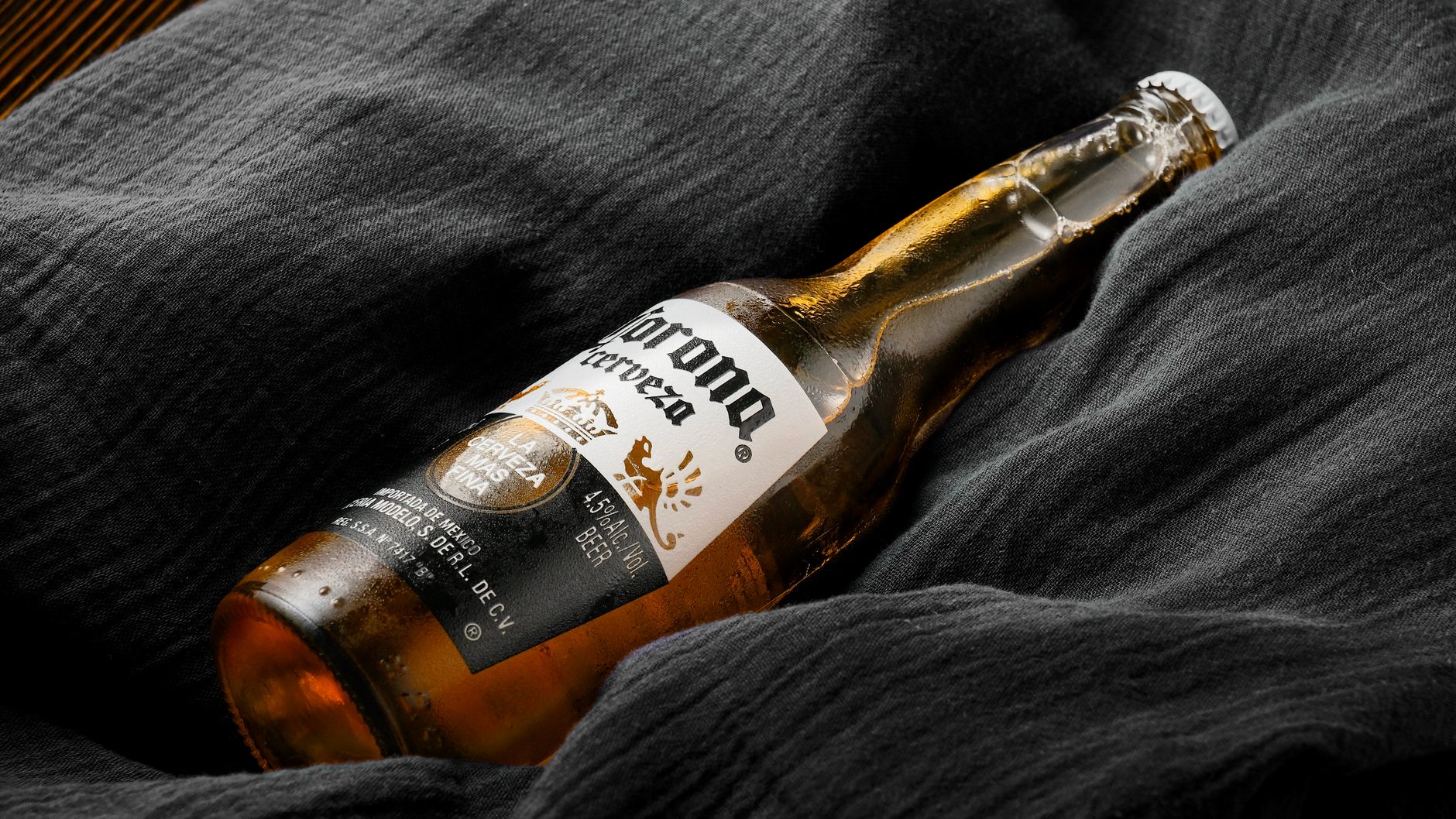
When it comes to beers, there are numerous styles, each with unique flavor profiles and brewing methods. One often-questioned beer is Corona, known for its refreshing taste and iconic lime wedge. A common question arises: Is Corona a pilsner? This article explores the classification of Corona, its characteristics, and how it differs from traditional pilsners.
Understanding Corona’s type not only enhances your appreciation for this popular beer but also helps in selecting the appropriate food pairings and serving methods. Let’s delve into the details surrounding the pilsner style, analyze Corona, and explore the nuances of this beloved beverage.
Is Corona a Pilsner?
To answer the question directly: No, Corona is not a pilsner. Although Corona shares some characteristics with pilsners, such as being light and refreshing, it is categorized as a pale lager. This distinction is due to the brewing techniques and ingredients used. Understanding these differences can enhance your beer experience.
Understanding Pilsners
Pilsners originated in the Czech Republic and are known for their golden color, crisp taste, and hoppy aroma. To understand Corona better, one must first delve into pilsner characteristics.
Characteristics of Pilsners
- Color: Pilsners are typically pale golden to straw in color.
- Aroma: They have a noticeable hop aroma, usually floral or spicy.
- Flavor: The taste is often crisp and clean, with a balance of malt sweetness and hop bitterness.
- Mouthfeel: Pilsners have a light to medium body and a refreshing finish.
- ABV: Most pilsners have an alcohol by volume (ABV) ranging from 4% to 6%.
Brewing Process of Pilsners
Pilsners are brewed using bottom-fermenting yeast at cool temperatures, making them a type of lager. The brewing process includes the use of Pilsner malt, hops, and water, resulting in a beer that is both refreshing and enjoyable. The fermentation and lagering processes contribute to the beer’s clean flavors and aromas.
What is Corona? An Overview
Corona, produced by Grupo Modelo in Mexico, has become one of the world’s best-selling beers. Its light taste and unique serving style have contributed to its immense popularity. Let’s explore its key characteristics that differentiate it from pilsners.
Characteristics of Corona
- Color: Corona is pale golden, similar to pilsners.
- Aroma: It has a mild malt aroma with subtle notes of hops.
- Flavor: The flavor profile is light, with slight sweetness and a crisp finish, but lacks the pronounced hop character typical of pilsners.
- Mouthfeel: It is light-bodied and highly carbonated, making it refreshing, especially on hot days.
- ABV: Corona typically has an ABV of around 4.6%.
Brewing Process of Corona
Corona is brewed using a blend of barley, corn, and hops, a practice that distinguishes it from traditional pilsners. The fermentation process uses a unique strain of yeast, contributing to its light and crisp profile. This brewing method creates distinctively different flavors, resulting in a beer that is more subtle compared to the hoppy punch of a typical pilsner.
Comparing Corona and Pilsners
The main differences between Corona and traditional pilsners lie in the flavor, aroma, and brewing ingredients. Understanding these differences can aid consumers in making more informed choices regarding beer pairings and appreciation.
Flavor Profile Comparison
Pilsners tend to be more robust and bitter due to the prominent hop flavors. In contrast, Corona has a gentle sweetness with less hop influence, making it easier to drink for those who prefer milder beers. This distinction can affect food pairings, as stronger-flavored dishes may overwhelm Corona, while pilsners can match those flavors better.
Aroma Comparison
The aroma of pilsner is defined and pronounced, giving drinkers a preview of its hoppy bitterness. On the other hand, Corona’s aroma is subtle, focusing more on malt and grain. This difference can influence serving suggestions, as beers with stronger aromas pair well with food designed to complement those scents.
Ideal Food Pairings
Food pairings can enhance the overall drinking experience. Pilsners, with their hoppy profiles, pair well with spicy foods, grilled meats, and sharp cheeses. Conversely, Corona’s lighter, more serene profile is best suited for lighter fare such as seafood, salads, or fruit-based dishes.
Serving Suggestions for Corona
Serving Corona traditionally involves adding a lime wedge to enhance its flavor. The acidity of the lime cuts through the beer’s sweetness, enriching the overall experience. Here are several suggestions for serving and enjoying Corona:
- Chill: Serve Corona well chilled, around 40°F (4°C) for optimal refreshment.
- Lime Wedge: Squeeze a lime wedge into the beer or place it on the rim to elevate the flavor.
- Glassware: Although it is often served in a bottle, using a pint glass allows for better aroma appreciation.
- Ice Option: Some enjoy adding ice to Corona for additional chill, though this can dilute the flavor.
Light Lagers: A Broader Category
To put Corona in perspective, it is essential to understand the broader category of light lagers. The light lager category consists of beers that are lower in alcohol and calories while maintaining a crisp, refreshing profile.
Characteristics of Light Lagers
- Low ABV: Typically around 3% to 4.5% to appeal to a broader audience.
- Flavor: Mild flavor with low bitterness and a smooth, mild finish.
- Carbonation: Light lagers are often highly carbonated, giving them a refreshing sip.
Notable Brands of Light Lagers
In the realm of light lagers, there are several brands comparable to Corona. Some noteworthy examples include:
- Bud Light: A popular American light lager known for its crispness.
- Michelob Ultra: A lower-calorie option with a smooth finish.
- Light Heineken: Offers a balance of flavor and lightness.
Common Mistakes When Choosing Beer
When selecting a beer, whether to enjoy during a casual gathering or a more formal dinner, being informed can enhance the experience. Here are some common mistakes people make:
- Choosing Based on Brand: Selecting beer solely based on brand popularity can lead to missing out on unique lesser-known beers.
- Ignoring Food Pairing: Not considering how the beer will pair with food can result in a mismatched experience.
- Serving Temperature: Neglecting the ideal serving temperature can overpower the beer’s flavor.
Storage and Shelf Life of Beer
Understanding how to store beer properly is vital to maintaining its quality. Here are some tips for storing Corona and similar beers:
- Temperature: Store beer in a cool and dark place to prevent light exposure and heat damage.
- Position: Keep bottles upright to minimize oxidation and maintain flavor integrity.
- Expiration: Although beer doesn’t spoil like food, it can lose freshness. Aim to consume within six months of purchasing.
Conclusion
While Corona may exhibit some similarities with lager beer styles, it is not a pilsner. Understanding the differences between these beer types enhances appreciation for the craft and offers insight into preferred food pairings. Whether enjoying a Corona with lime by the beach or savoring a well-crafted pilsner with a hearty meal, knowledge is key to experiencing the delightful world of beer.
If you’re looking to explore more about different beer styles or desire food pairing ideas, check out our detailed guides on what is a pilsner or Bud Light can options. Expand your culinary adventures by learning more about these beverages and how they interact with your meals.