
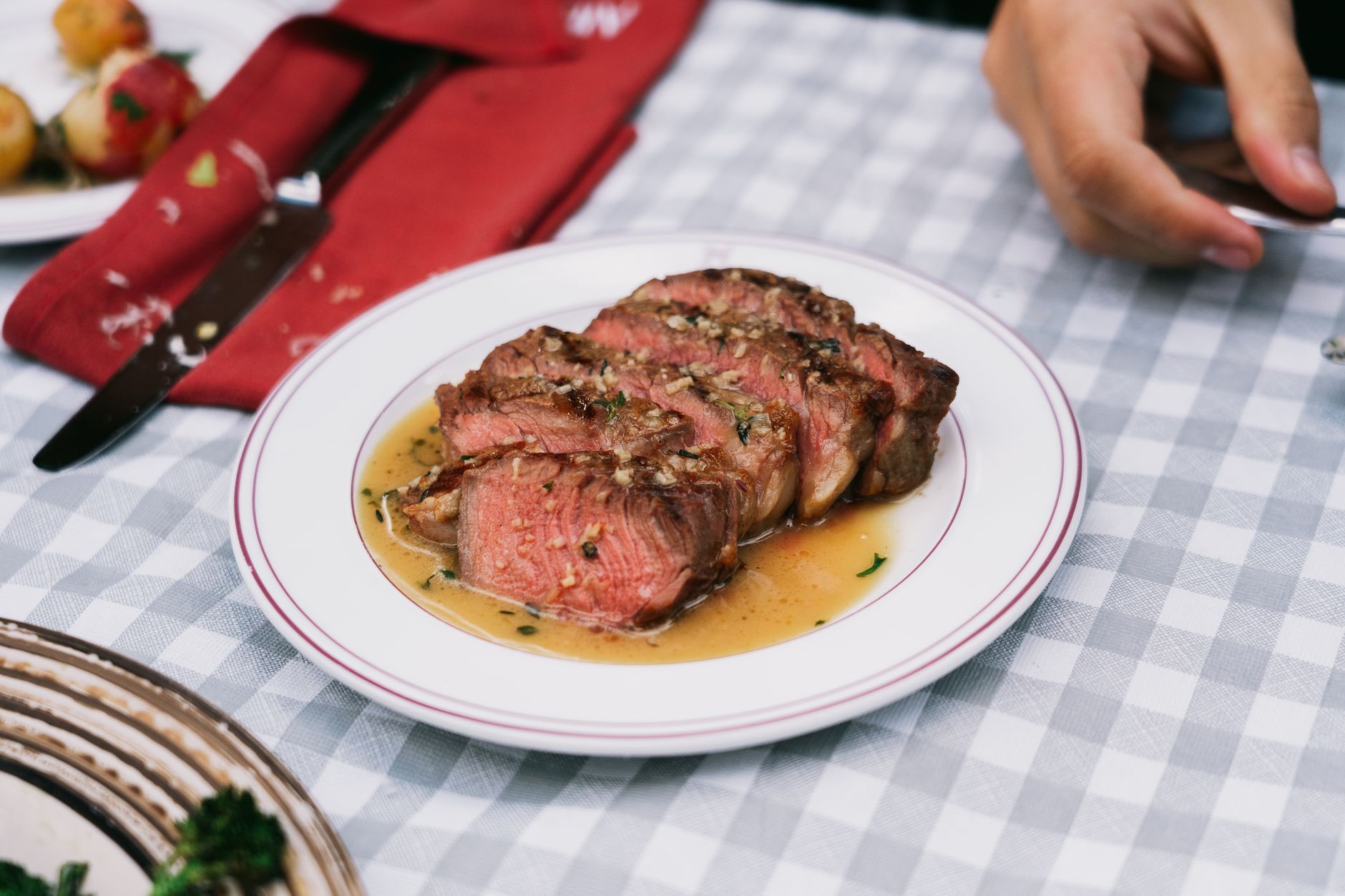
Understanding the protein content in foods is essential for those looking to manage their dietary protein intake. Steak is a favorite protein source among carnivores, but how much protein does an 8 oz steak actually provide? In this guide, we will explore the nutritional profile of steak, particularly focusing on its protein content, and delve into various factors that might influence this amount.
Whether you’re a fitness enthusiast, a busy parent planning meals, or simply a steak lover, this article is structured to provide you with practical insights into how much protein you can expect from an 8 oz steak, along with some cooking tips and ways to incorporate steak into a healthy diet.
How Many Grams of Protein in 8 Oz Steak?
An 8 oz serving of steak typically contains approximately 56 to 64 grams of protein. This range can vary based on the steak cut and cooking method. For instance, lean cuts like sirloin or tenderloin tend to have more protein per ounce compared to fattier cuts, such as ribeye.
The Nutritional Profile of Steak
Steak is not just about protein; it offers a variety of essential nutrients that can contribute to a balanced diet. Here’s a breakdown of the key nutritional components found in an 8 oz portion:
- Calories: Approximately 480 to 600 kcal
- Protein: 56 to 64 grams
- Fat: 36 to 48 grams
- Iron: 5 to 7 mg (about 28% of the Daily Value)
- Zinc: 8 to 12 mg (about 50% of the Daily Value)
Steak also provides B vitamins such as B12, niacin, and riboflavin, which play crucial roles in energy metabolism and red blood cell formation. However, the fat content can vary significantly depending on the cut, affecting overall health considerations.
Understanding Steak Cuts
The protein content in steak can differ notably based on the cut of beef. Here’s a brief overview of popular cuts and their typical protein content for an 8 oz serving:
- Sirloin: About 56 grams of protein
- Tenderloin: About 64 grams of protein
- Ribeye: About 60 grams of protein but higher in fat
- Flank Steak: About 56 grams of protein
- Skirt Steak: About 58 grams of protein
Choosing a leaner cut can help keep fat intake lower while maximizing protein consumption, which is particularly important for those on a high-protein diet.
Cooking Methods that Maintain Protein Content
The cooking method can influence the nutritional profile of steak as well. For optimal protein retention and flavor development, consider these cooking techniques:
- Grilling: Sealing the meat surface while keeping the inside juicy.
- Broiling: Cooking at high heat from above ensures a nice crust.
- Pan-Seering: Quickly cooking the meat while retaining moisture.
- Sous Vide: Cooking steak in a water bath at a consistent temperature retains juiciness and tenderness.
While these methods are effective in preserving protein content, avoid overcooking to prevent nutrient loss and enhance flavor.
Common Mistakes When Cooking Steak
Whether a novice or experienced cook, it’s easy to make a few common mistakes when preparing steak. Here are some pitfalls to avoid:
- Not letting it rest: Letting steak rest post-cooking for about 5 to 10 minutes allows juices to redistribute.
- Cooking at the wrong temperature: Overheating can dry out the steak. Use a meat thermometer to check for doneness.
- Skipping seasoning: Simple seasoning with salt and pepper enhances the meat’s natural flavors.
- Cutting into the steak too soon: This can cause juices to run out, resulting in dry meat.
Avoiding these mistakes can significantly improve the result, helping to maximize both flavor and protein content.
Including Steak in Your Meal Plan
Incorporating steak into a balanced meal plan can enhance your dietary protein while providing variety. Here’s how you can do it effectively:
1. Pairing with Vegetables
Include a variety of colorful vegetables to enhance the meal’s nutritional profile. For example, roasted asparagus, broccoli, or a fresh salad complements steak well.
2. Serving with Whole Grains
Consider adding sides like quinoa, brown rice, or whole-grain bread. These grains will provide additional fiber and nutrients that can round out your meal.
3. Consider Portion Control
While 8 oz is a common serving size, adjust based on your personal dietary goals. If your focus is on a high-protein regimen, this size might be suitable; for others, smaller portions may be more appropriate.
Storage of Cooked Steak
Cooking in bulk? Proper storage is key to maintaining both flavor and protein content. Follow these guidelines:
- Refrigeration: Store leftover cooked steak in an airtight container in the refrigerator. Consume within 3-4 days.
- Freezing: Wrap cooked steak tightly in aluminum foil or plastic wrap before freezing. It can last up to 3 months.
- Reheating: Use an oven or microwave at low settings to gently reheat steak without losing moisture.
Always ensure food safety practices are followed. Thorough reheating to at least 165°F (75°C) is recommended for safe consumption.
Protein Alternatives to Steak
If you’re looking for alternative protein sources or simply want to vary your diet, consider these options:
- Chicken Breast: About 50 grams of protein in 8 oz.
- Salmon: Approximately 49 grams of protein in 8 oz, plus healthy omega-3 fatty acids.
- Tofu: Depending on preparation, around 28 grams of protein in 8 oz.
- Legumes: Beans and lentils provide plant-based protein, with about 36 grams in 8 oz cooked.
Incorporating a mix of proteins ensures you meet nutritional needs while enjoying diverse flavors.
Typical Serving Suggestions
When serving steak, presentation and accompaniments add to the overall experience. Here are some popular serving suggestions:
- With a Chimichurri Sauce: A fresh herb sauce adds brightness to the rich flavor of steak.
- Steak Salad: Slicing cooked steak and placing over mixed greens creates a hearty yet refreshing meal.
- Steak Tacos: Chopped steak in soft tortillas with avocado and salsa makes for a delicious handheld meal.
Each serving suggestion brings its own taste and texture profile, so feel free to experiment to find what you love best.
Conclusion
Understanding how many grams of protein are in an 8 oz steak is essential for those managing their protein intake. With approximately 56 to 64 grams of protein, steak is an excellent source that packs in additional nutrients. By choosing lean cuts, using effective cooking methods, and pairing steak with vegetables and grains, you can make steak a prominent part of your meal planning.
For more protein-rich options, you may explore recipes like protein brownies, or try a quick minute steak recipe for a flavorful meal suggestion. Happy cooking!