
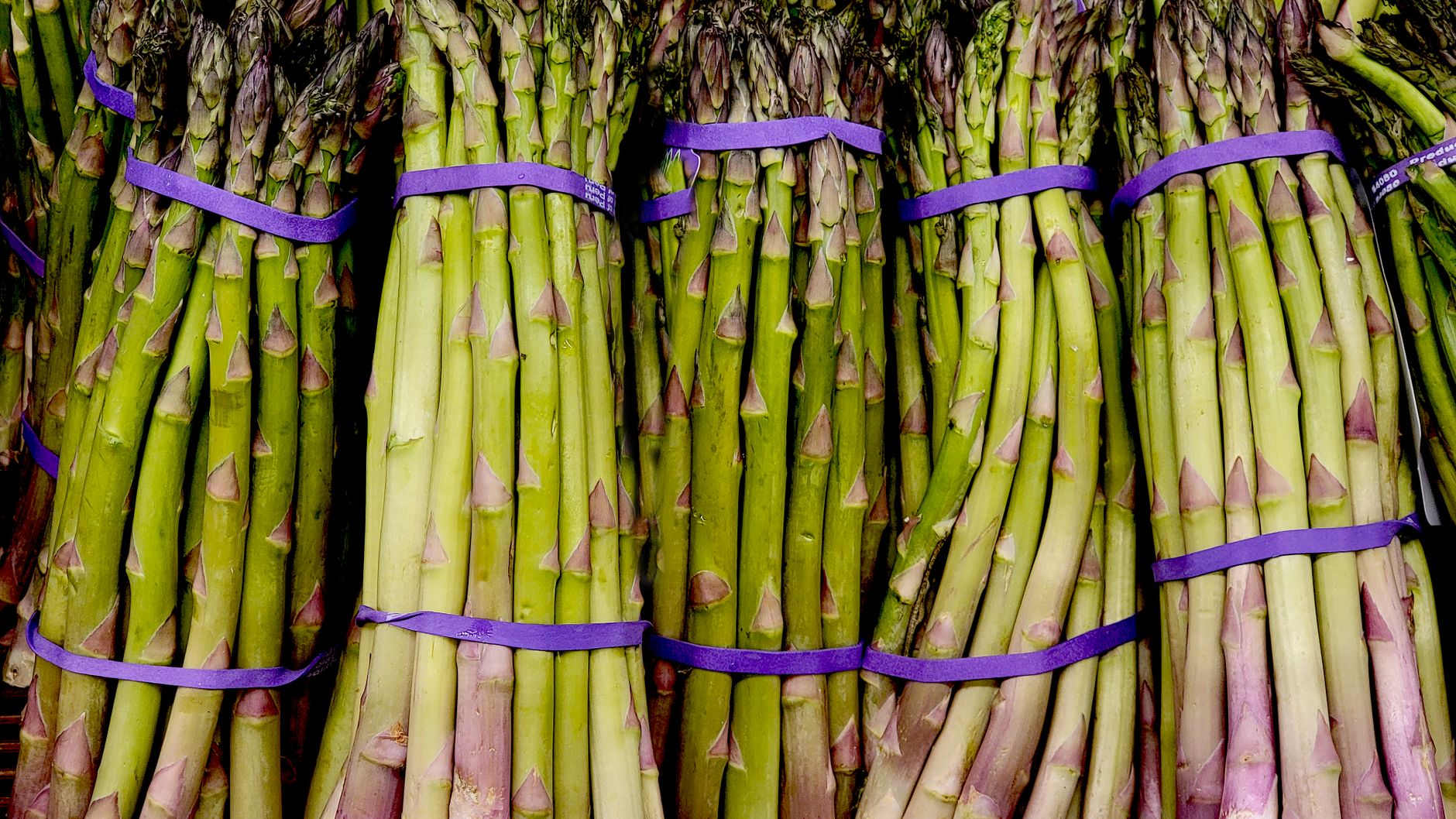
Asparagus is a beloved vegetable known for its distinct flavor, nutritional benefits, and versatility in dishes. However, a common question surrounding it is whether it causes gas. Understanding the relationship between asparagus and gas production can help you enjoy this vegetable without discomfort.
This article will delve into the digestive effects of asparagus, how its consumption might lead to gassiness, portion recommendations, and practical cooking tips to minimize potential discomfort. Let’s explore the gassy nature of asparagus and how to enjoy it responsibly.
Is Asparagus Gassy?
Yes, asparagus can contribute to gassiness in some people. This is primarily due to its fiber content and certain carbohydrates, particularly fructans, which are known to be difficult for some individuals to digest. When these components reach the large intestine, they can ferment and produce gas.
Not everyone will experience gassiness from asparagus; individual digestive systems react differently. Factors like portion sizes, cooking methods, and overall gut health play significant roles in how asparagus affects you.
Understanding Asparagus and Digestion
Asparagus is rich in fiber and offers a variety of health benefits. However, the fiber and carbohydrates present can be the very reasons it may lead to gassiness. Here’s a closer look at what happens in your digestive system when you consume asparagus.
The Fiber Factor
Asparagus contains both soluble and insoluble fiber. Soluble fiber can dissolve in water and is fermented by gut bacteria, producing gas as a byproduct. Insoluble fiber adds bulk to stool and aids in digestion but typically does not contribute to gas. The amount of fiber can vary based on cooking methods; for example, overcooked asparagus might be easier to digest compared to raw asparagus, which retains more fiber content.
Fructans and Gas Production
Fructans are a type of carbohydrate found in asparagus. These are part of a group of fermentable short-chain carbohydrates known as FODMAPs (Fermentable Oligosaccharides, Disaccharides, Monosaccharides, and Polyols). For individuals with sensitive digestive systems, fructans can contribute to gas production. They are not digested in the small intestine but are instead fermented by bacteria in the large intestine, leading to gas buildup.
Portion Sizes: Finding Your Comfort Zone
An essential factor in determining whether asparagus will make you gassy is the portion size you consume. Smaller portions may be well-tolerated even by those who typically experience digestive discomfort. On the other hand, larger servings may lead to gassiness. Here are some general guidelines:
- Small portion: 1/2 cup of cooked asparagus (approximately 90 grams)
- Moderate portion: 1 cup of cooked asparagus (approximately 180 grams)
- Larger portion: 1.5 cups or more (approximately 270 grams)
If you are trying asparagus for the first time or reintroducing it after a break, start with a smaller serving size and gradually increase it if your digestive system handles it well.
Cooking Techniques to Reduce Gas Production
How you prepare asparagus can significantly affect its digestibility. Here are several cooking methods that can help reduce the likelihood of gassiness:
Boiling or Steaming Asparagus
Boiling or steaming asparagus can help break down some of the fiber and carbohydrates, making them easier to digest. Here’s a simple method for boiling asparagus:
- Start by trimming the tough ends off the asparagus stalks.
- Bring a pot of salted water to a boil.
- Add the asparagus and boil for about 2-4 minutes, depending on the thickness of the stalks.
- Drain and rinse the asparagus under cold water to stop the cooking process.
This method not only preserves the vibrant color of the asparagus but also reduces gassiness potential.
Roasting Asparagus
Roasting asparagus can also enhance flavor while helping with digestibility. This method caramelizes the natural sugars, adding depth and reducing the likelihood of gas buildup:
- Preheat the oven to 400°F (200°C).
- Trim the tough ends of the asparagus and place them on a baking sheet.
- Drizzle with olive oil, and season with salt and pepper.
- Roast in the oven for 12-15 minutes, turning halfway through, until tender and lightly browned.
Grilling Asparagus
Grilling asparagus also allows for enhanced flavor while breaking down some of the fiber content. The smoky flavor from the grill can add a delightful element to your dishes:
- Preheat your grill to medium heat.
- Trim the ends of the asparagus and toss them with olive oil, salt, and pepper.
- Place the asparagus perpendicular to the grill grates to avoid losing any through the gaps.
- Grill for 5-8 minutes, turning occasionally, until tender and slightly charred.
Flavor Combinations for Asparagus
Asparagus pairs well with various ingredients that can complement its flavor while also potentially aiding digestion. Here are a few ideas:
- Garlic: Cooked garlic can enhance flavor and has been known to have beneficial effects on gut health.
- Lemon: The acidity from lemon juice can balance the earthy flavor of asparagus while aiding digestion.
- Olive Oil: A healthy fat that can help the body better absorb nutrients while enhancing digestion.
- Herbs: Fresh herbs like basil, dill, or parsley add freshness and can have digestive benefits.
Common Mistakes When Preparing Asparagus
While preparing asparagus, keep an eye out for common mistakes that could lead to a gassier experience:
- **Overcooking**: Cooking asparagus too long can make it mushy and may not aid in digestibility as effectively.
- **Serving Raw**: While some enjoy raw asparagus, it contains more indigestible fiber. Consider roasting or steaming for improved digestibility.
- **Unseasoned Preparation**: Foregoing seasoning can result in bland dishes that might discourage you from enjoying asparagus regularly.
Understanding Individual Digestive Differences
It’s important to appreciate that everyone’s digestive systems are unique. Some people may find asparagus causes no discomfort, while others may have a strong reaction. Maintaining a food diary can be helpful to determine your personal tolerance level:
- Keep track of the quantity of asparagus consumed.
- Note any gassy sensations or discomfort after eating.
- Compare with other foods to identify patterns.
Alternatives and Substitutes for Asparagus
If you find asparagus consistently leads to digestive discomfort, consider experimenting with other vegetables that provide similar nutrients without the gassy effect. Here are some substitutes:
- **Green Beans**: A crunchy alternative that is typically easier to digest.
- **Broccoli**: Another nutritious option, though it may still cause gas in some individuals.
- **Zucchini**: A versatile, low-calorie option that can be prepared in various ways.
- **Peas**: Sweet and high in protein, peas can provide similar health benefits.
When choosing substitutes, consider cooking methods that tenderize and enhance flavor to suit your taste preferences.
Incorporating Asparagus in Your Meals
Asparagus can be a fantastic addition to various meals. Here are some ideas on how to include it across different cuisines:
Breakfast
Add steamed or grilled asparagus to omelets or frittatas for an earthy flavor. Pair with cheese for a creamy touch or with mushrooms for added depth.
Lunch
Incorporate asparagus into grain bowls with quinoa or brown rice, mixing in chickpeas and avocado for a filling meal.
Dinner
Serve roasted asparagus as a side dish alongside grilled chicken or salmon, enhancing the plate’s contrast and flavor.
Snacks
Try dipping blanched asparagus spears in hummus or a yogurt sauce—a simple, healthy snack option that showcases the vegetable.
Storage and Preparation Tips for Asparagus
To extend the freshness of asparagus:
- Store unwashed asparagus in the refrigerator, wrapped in a damp paper towel, and placed in a resealable bag.
- For longer storage, place asparagus in a jar with water, cover it loosely with a plastic bag, and refrigerate.
- Use asparagus within a few days for the best flavor and texture.
Conclusion
Asparagus can indeed lead to gassiness for some due to its fiber and fructan content. However, understanding your portion sizes, cooking methods, and digestive sensitivities can help you enjoy this nutritious vegetable without discomfort. Experiment with various preparation techniques and pairings to see what works best for you.
For further insights on preparing asparagus, consider reading about how to boil asparagus or check if raw asparagus is right for you.