
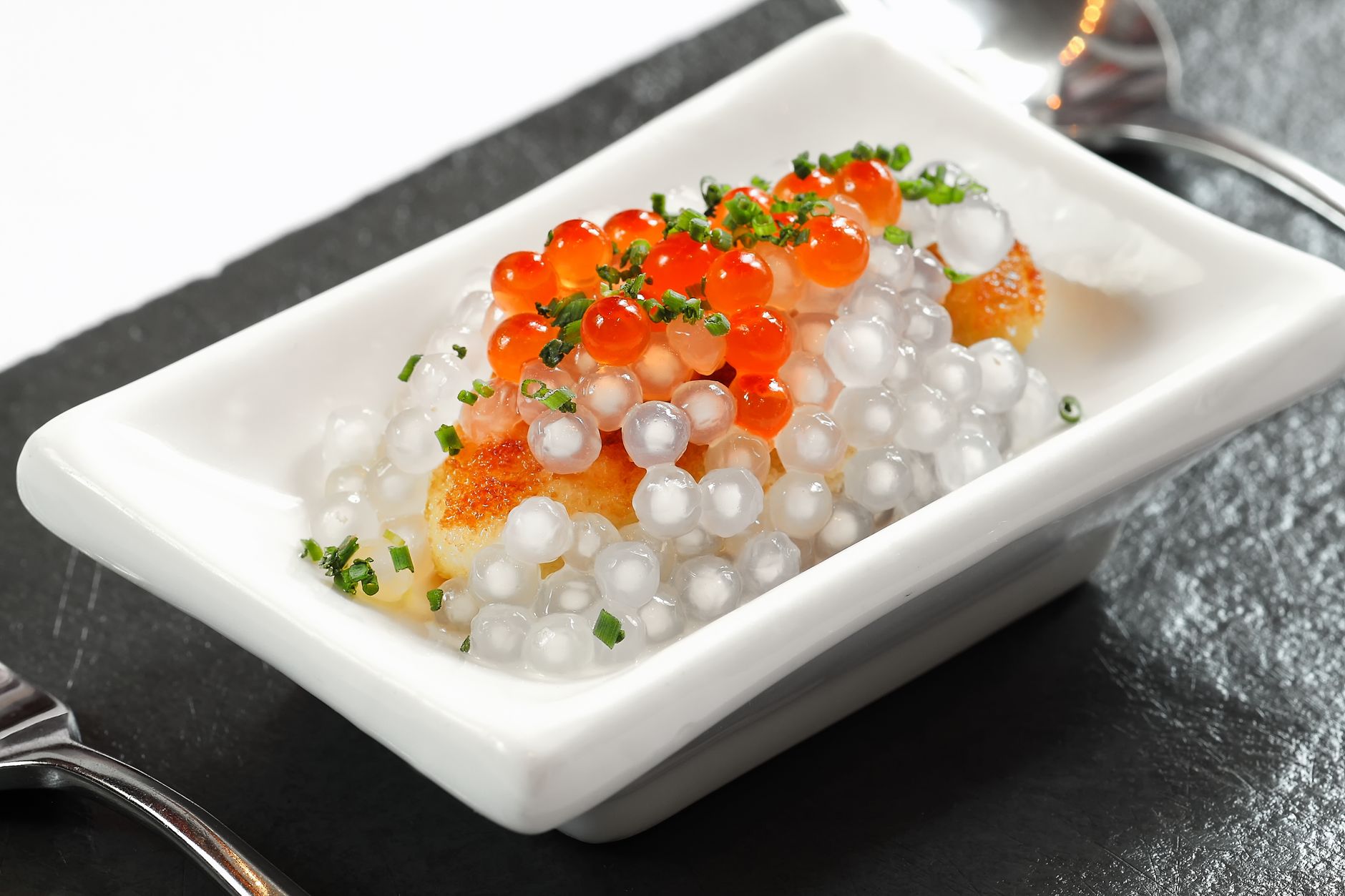
Caviar is often regarded as a luxurious delicacy, but for pregnant women, enjoying this gourmet treat raises several questions about safety and dietary guidelines. The primary concern revolves around the potential risks and health considerations associated with consuming caviar during pregnancy.
This article explores the nutritional content of caviar, the associated health risks, and suitable consumption practices for pregnant women, allowing you to make an informed decision about including this seafood in your diet.
Can Pregnant Women Have Caviar?
Yes, pregnant women can have caviar, but there are important factors to consider. Caviar is safe when it is pasteurized and sourced from reliable suppliers. Raw or undercooked seafood poses risks of foodborne illness, so moderation and caution are crucial for pregnant women.
Understanding Caviar
Caviar is the salted roe (eggs) of sturgeon and other fish, prized for its unique flavor and texture. Typically found in various types such as Beluga, Osetra, and Sevruga, caviar offers a briny richness and a delicate pop when bitten. It is often served cold, alone or as a garnish on dishes like blinis, crackers, or hors d’oeuvres.
The flavor profile is distinctly savory and complex, making caviar a sought-after ingredient in fine dining and gourmet cooking. However, the specifics of whether pregnant women can indulge safely hinge on understanding the source and preparation of the caviar consumed.
Nutritional Composition of Caviar
Caviar is nutrient-dense, offering several health benefits when included in a balanced diet. Here are some key nutritional components:
- Omega-3 Fatty Acids: Essential for fetal development, especially brain growth.
- Proteins: High-quality protein helps in tissue development and maintenance.
- Vitamins: Contains several B vitamins (like B12), which are crucial for energy production and fetal health.
- Minerals: A good source of iron, calcium, and selenium, which support overall health during pregnancy.
Despite these benefits, it’s essential to balance caviar consumption with the other components of a pregnancy-friendly diet.
Health Risks Associated with Caviar
While caviar can be a delightful addition to the diet, certain health risks can arise, particularly for pregnant women.
Foodborne Illness
Raw caviar can carry harmful bacteria and parasites, leading to foodborne illnesses. Pregnant women have a heightened vulnerability to infections, making it essential to avoid raw fish and seafood unless adequately pasteurized or cooked.
Mercury Levels
Some fish roe can contain elevated levels of mercury, which may pose hazards to fetal development. It is crucial to source caviar from reputable suppliers who monitor fish populations for contamination.
High Sodium Content
Caviar can be high in sodium, which may lead to elevated blood pressure and swelling during pregnancy. Moderation is essential, particularly in the last trimester, to reduce potential complications.
Choosing Safe Caviar
If you’re considering incorporating caviar into your diet during pregnancy, here are recommendations to ensure safety:
- Opt for Pasteurized Caviar: Always choose pasteurized caviar, as this process significantly reduces the risk of bacteria while retaining most of the flavor and nutrients.
- Source from Reputable Suppliers: Choose caviar from trusted brands that provide clear information about sourcing, processing, and safety measures.
- Avoid Caviar from High-Mercury Fish: Educate yourself on the types of fish roe, prioritizing lower mercury options.
Moderation Is Key
While caviar can be beneficial when consumed appropriately, moderation is key. It is advised that pregnant women limit their intake to a few servings weekly to mitigate any health risks linked to sodium and mercury levels. Always consult with a healthcare provider before making dietary changes during pregnancy.
How to Enjoy Caviar During Pregnancy
If you’ve decided to include caviar in your diet, there are several enjoyable and safe ways to consume it:
Caviar Pairing Suggestions
Here are a few pairing ideas that enhance the caviar experience while keeping it tasteful and safe:
- Blinis: Mini pancakes made from buckwheat flour serve as the perfect base for caviar.
- Toast Points: Lightly toasted bread topped with butter or cream cheese can complement the saltiness of caviar.
- Sour Cream: A dollop of sour cream or crème fraîche adds creaminess that balances the brininess.
- Chopped Herbs: Fresh chives, dill, or parsley can elevate the flavor profile when sprinkled on caviar dishes.
Creative Serving Ideas
For a fun twist, consider these serving ideas:
- Deviled Eggs: Top deviled eggs with caviar for an elegant appetizer.
- Caviar Sushi Rolls: Incorporate caviar into sushi rolls made with cooked seafood and vegetables.
- Variety Platter: Create a platter featuring a small selection of pasteurized caviar, along with accompaniments like bread, meats, and cheeses.
Storing Caviar Safely
Proper storage is essential to maintain the quality of caviar and ensure it remains safe to consume:
- Keep Refrigerated: Store unopened caviar in the coldest part of your refrigerator, ideally below 32°F (0°C).
- Consume Quickly: Once opened, caviar should ideally be consumed within 3 to 4 days for optimal freshness.
- Don’t Refreeze: Avoid refreezing caviar after it has been thawed, as this can compromise texture and flavor.
Consulting with Healthcare Providers
As with various dietary choices during pregnancy, it is wise to consult your healthcare provider regarding caviar consumption. They can offer personalized advice based on your health history and pregnancy progress.
Conclusion
Pregnant women can safely include caviar in their diets by opting for pasteurized varieties and practicing moderation. With its unique flavor profile and nutritional benefits, caviar can be an indulgent treat when enjoyed thoughtfully. Given the potential risks associated with raw seafood, ensuring you source high-quality products is essential.
Experimenting with elegant pairings and creative serving ideas can make occasional caviar tastings both delicious and safe. To make the most of your culinary journey, feel free to explore various pairing options, expand your palate, and celebrate the nuances of gourmet ingredients.
If you’re interested in exploring more about caviar and its pairings, as well as various preparations, consider diving into our related recipes or guides on meal planning and ingredient selections for a well-rounded culinary experience!