
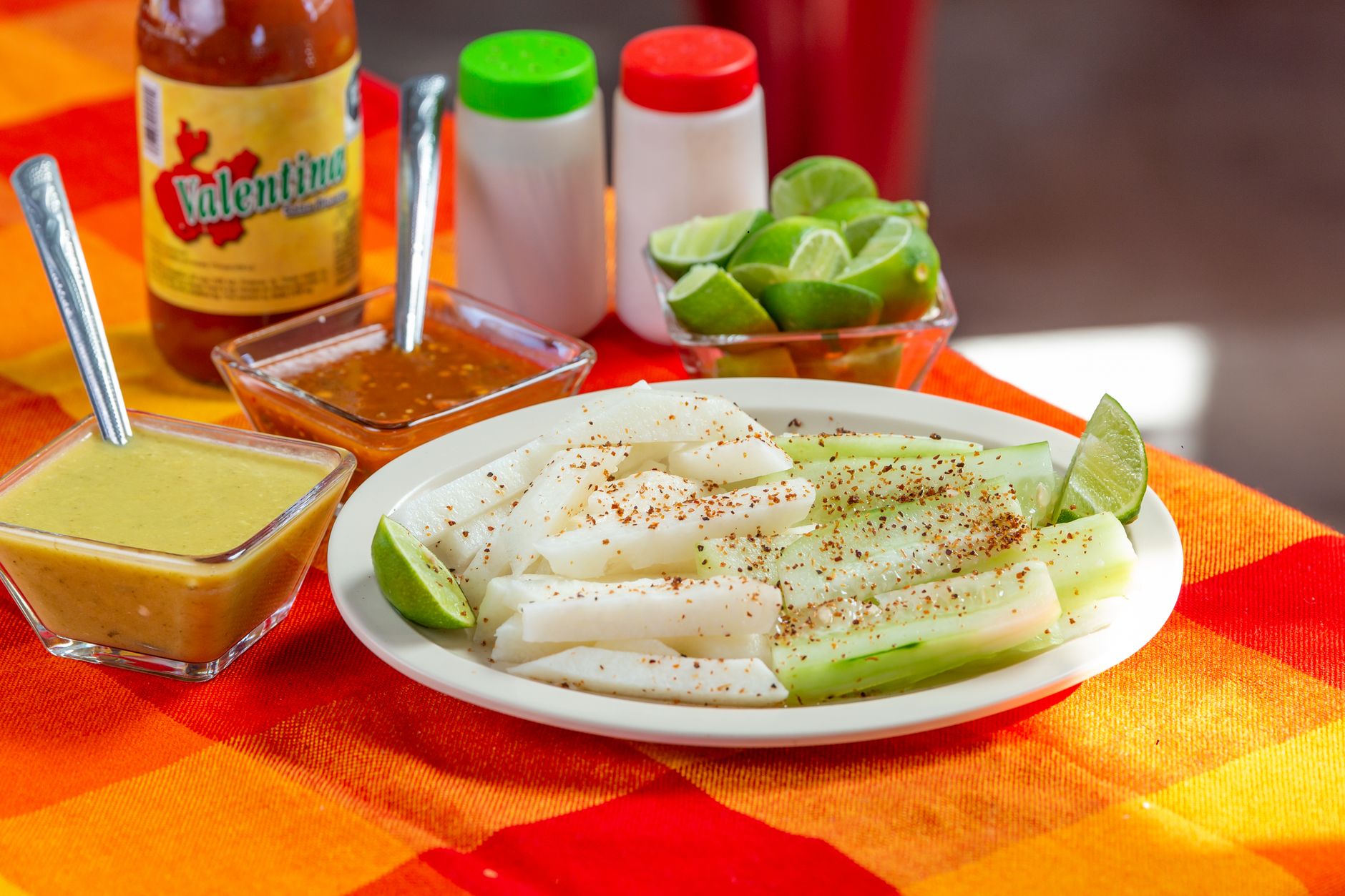
Jicama, often referred to as the Mexican turnip or Mexican yam bean, is a crunchy, sweet root vegetable that has gained popularity in various culinary landscapes. Those following a low FODMAP diet may wonder whether incorporating jicama into their meals is a safe option. This article delves into the nutritional aspects of jicama, portion guidelines, and creative ways to include it in your meal planning.
Understanding whether jicama is low FODMAP can help those with digestive sensitivities enjoy this nutritious vegetable without worry. You’ll find practical meal ideas and preparation tips tailored to fit a low FODMAP diet, providing you with flavorful options and insights to make your meals delightful.
Is Jicama Low FODMAP?
Yes, jicama is considered low FODMAP. According to the Monash University FODMAP Diet app, a serving size of up to 1 cup (130 grams) of raw jicama is low in FODMAPs, making it suitable for most individuals following a low FODMAP diet. It’s a versatile ingredient that can be enjoyed in various forms: raw, cooked, or even pickled.
Nutritional Benefits of Jicama
Jicama is packed with several nutritional benefits, making it an excellent choice for those who are looking for healthy, low-calorie options. Here are some key nutritional highlights:
- Low in Calories: One cup of jicama contains approximately 46 calories, making it a great snack or addition to meals.
- High in Fiber: Jicama is a good source of dietary fiber, which supports digestive health and can aid in weight management.
- Rich in Vitamins: It contains Vitamin C, which is essential for immune function and skin health, and Vitamin B6, which plays a role in brain health.
- Hydrating: With its high water content of around 90 percent, jicama can help keep you hydrated.
Portion Guidelines for a Low FODMAP Diet
While jicama is low FODMAP in reasonable amounts, portion control is essential. Monash University has determined that a serving size of 1 cup (130 grams) of raw, peeled jicama is safe for consumption. Exceeding this portion may introduce higher levels of certain carbohydrates that could trigger digestive discomfort in sensitive individuals.
Cooking with Jicama: Texture and Flavor
Jicama offers a crisp, crunchy texture and a mildly sweet flavor, making it a versatile ingredient for various dishes. Its texture holds up well in both raw and cooked applications, allowing it to shine in salads, stir-fries, and as a raw snack. Cooking methods such as roasting or sautéing enhance its natural sweetness without losing its delightful crunch.
Meal Ideas Featuring Jicama
Now that you understand the nutritional benefits and portion sizes, here are some creative ways to incorporate jicama into your meals:
1. Jicama Salad
A refreshing jicama salad combines the crunch of jicama with vibrant vegetables. Here’s how to make it:
- Ingredients:
- 1 cup jicama, peeled and thinly sliced
- 1 bell pepper, diced
- 1 cucumber, diced
- 1/4 cup fresh cilantro, chopped
- Juice of 1 lime
- Salt to taste
- In a bowl, combine the jicama, bell pepper, cucumber, and cilantro.
- Drizzle with lime juice and sprinkle with salt. Toss gently to combine.
This salad is not only low FODMAP but also provides a delightful crunch perfect for any meal.
2. Jicama Fries
For a healthier alternative to traditional potato fries, try jicama fries. They are crispy and perfect for dipping!
- Ingredients:
- 1 medium jicama, peeled and cut into fry shapes
- 1 tablespoon olive oil
- Salt and pepper to taste
- Optional: garlic powder, paprika for extra flavor
- Preheat the oven to 400°F (200°C).
- In a bowl, toss jicama fries with olive oil, salt, pepper, and any optional seasonings.
- Spread fries in a single layer on a baking sheet and bake for 25-30 minutes, flipping halfway through, until golden and crispy.
These jicama fries make a great snack or side dish!
3. Jicama Stir-Fry
Jicama can also be delicious in a stir-fry. Its crunchiness adds a unique texture to the dish.
- Ingredients:
- 1 cup jicama, sliced into matchsticks
- 1 cup bell peppers, sliced
- 1 cup carrots, sliced
- 2 tablespoons soy sauce (low FODMAP brand)
- 1 tablespoon ginger, grated
- 1 tablespoon olive oil
- In a large pan or wok, heat olive oil over medium heat.
- Add ginger and let it sizzle for a few seconds before adding jicama, bell peppers, and carrots.
- Stir-fry for about 5-7 minutes or until the vegetables are tender but still crisp.
- Pour in the soy sauce and stir, cooking for an additional minute.
This dish can be enjoyed on its own or paired with rice or a protein of your choice.
4. Jicama Tacos
For a fun twist on traditional tacos, use jicama slices as tortilla alternatives.
- Ingredients:
- 1 medium jicama, peeled and cut into thin rounds
- 1 cup cooked chicken or beef, seasoned to taste
- 1/4 cup avocado, sliced
- 1/4 cup salsa (ensure it’s low FODMAP)
- Fresh cilantro and lime for garnish
- Take a thick jicama slice and layer your preference of protein, avocado, and salsa on top to create a mini taco.
- Garnish with fresh cilantro and a squeeze of lime.
This fun and fresh taco idea is perfect for lunch or brunch gatherings.
Practical Tips for Preparing Jicama
While jicama is straightforward to prepare, here are a few tips to ensure you make the most of this unique vegetable:
- Choosing Jicama: Look for firm, smooth, and unblemished jicama. Avoid those with soft spots or wrinkles, which indicate spoilage.
- Peeling: Jicama has a tough outer skin that must be peeled before consumption. A simple vegetable peeler will do the job.
- Storage: Store jicama in a cool, dry place, where it can last for a few weeks. Once cut, wrap it tightly and store it in the refrigerator to extend its freshness.
- Serving Suggestions: Pair raw jicama with low FODMAP dips, like hummus made from chickpeas that have been prepared correctly for low FODMAP consumption, or guacamole.
Common Mistakes to Avoid with Jicama
Here are some common errors to watch for when working with jicama:
- Not Peeling: Jicama skin is not edible; always peel it before consuming.
- Overcooking: If using jicama in cooked dishes, avoid overcooking, as it can lose its crispness.
- Ignoring Portion Sizes: Remember to stick to the suggested serving size to keep your meals low FODMAP.
Combining Jicama with Other Ingredients
Jicama pairs well with various ingredients, enhancing your dish while remaining low FODMAP. Here are some compatible pairings:
- Fresh herbs like cilantro, parsley, and basil complement jicama’s sweetness.
- Citrus fruits such as lime and lemon help to brighten flavors.
- Low FODMAP vegetables like bell peppers, carrots, and cucumber work well in salads and stir-fries.
- Lean proteins including chicken, turkey, and beef are great to add on top of jicama-based tacos or stir-fries.
Conclusion
Jicama is a delicious and versatile low FODMAP vegetable that can enhance a variety of dishes. Its unique texture and mild flavor make it an appealing choice for salads, stir-fries, and creative substitutes for tortillas. By adhering to recommended portion sizes and trying different meal ideas, you can easily incorporate jicama into your diet.
For related recipes and cooking tips, check out the benefits of chia seeds and how long to soak them for improved texture and nutrition.