
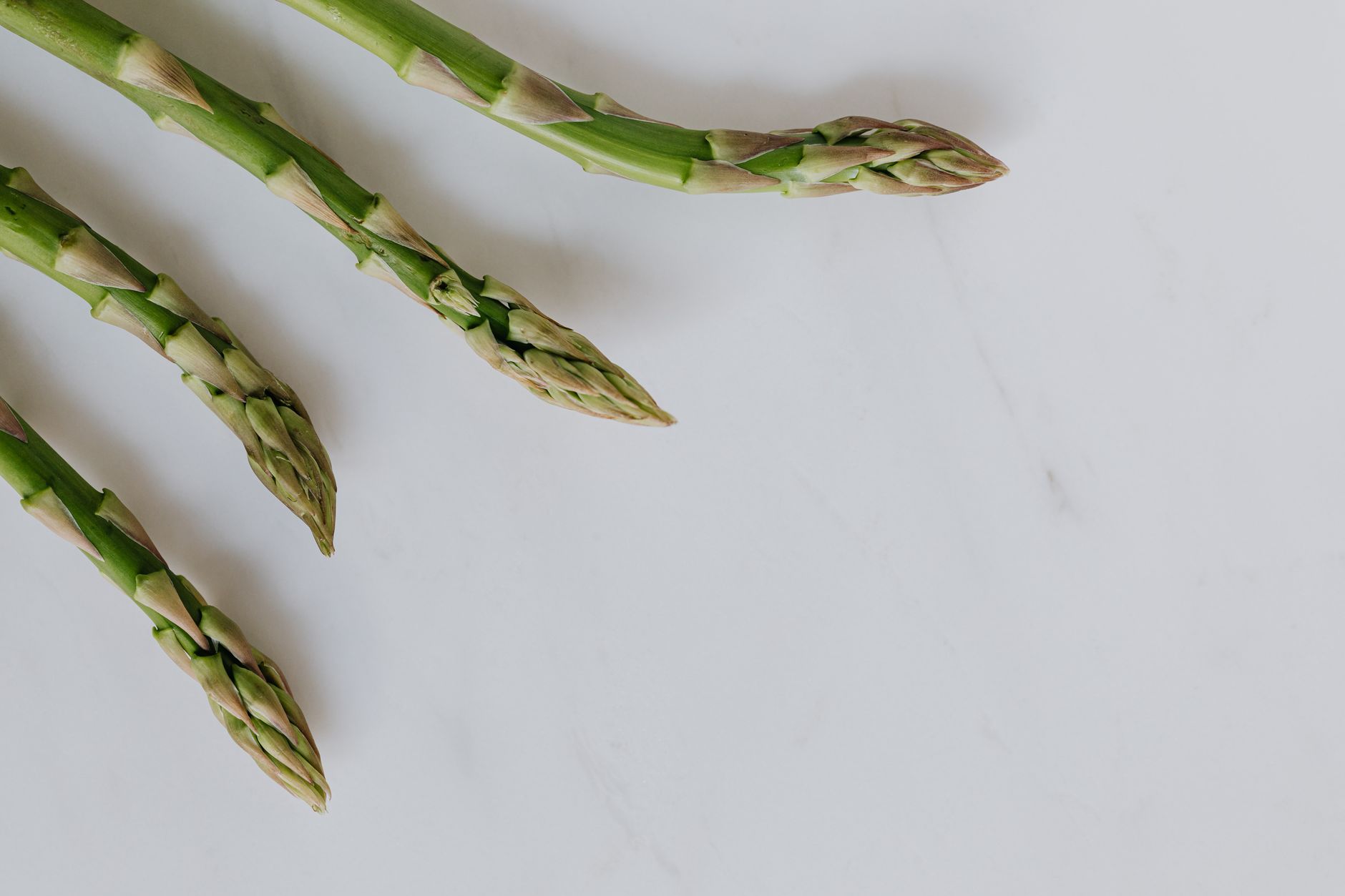
Asparagus is a versatile vegetable that can be prepared in various ways, each offering distinct flavors and textures. Whether grilled, steamed, roasted, or sautéed, the key to perfect asparagus lies in achieving the right cooking time for optimal tenderness without sacrificing flavor. Understanding how long to cook asparagus not only enhances its taste but also retains its nutritional benefits.
This article will provide a comprehensive guide on how long to cook asparagus, including cooking techniques, doneness tips, and suggestions for serving. You’ll be equipped to enjoy this delicious vegetable at its best.
How Long Should I Cook Asparagus?
The cooking time for asparagus depends on the method used and the thickness of the spears. Generally, asparagus should be cooked for:
- Boiling: 2 to 5 minutes
- Steaming: 4 to 6 minutes
- Roasting: 10 to 15 minutes
- Sautéing: 5 to 7 minutes
- Grilling: 5 to 7 minutes
Thinner asparagus spears will cook more quickly, while thicker ones may require a bit more time. The goal is to achieve a tender-crisp texture.
Understanding Asparagus: Varieties and Nutritional Benefits
Asparagus is available in several varieties, most notably green, white, and purple. Green asparagus is the most common type and has a slightly sweet, grassy flavor. White asparagus is grown underground, resulting in a more delicate taste, while purple asparagus is known for its sweeter flavor and visually striking appearance.
This nutrient-rich vegetable is low in calories but high in vitamins A, C, E, and K, as well as fiber and folate, making it a healthy addition to any meal. Moreover, asparagus contains antioxidants that contribute to its health benefits, aiding in digestion and promoting heart health.
Cooking Techniques for Asparagus
There are several popular methods for cooking asparagus, each imparting unique flavors and textures. Below, we detail each method along with tips for determining doneness.
1. Boiling Asparagus
Boiling is one of the quickest ways to cook asparagus, preserving its bright green color and tender texture.
- Fill a large pot with water and add a generous pinch of salt. Bring it to a rolling boil.
- Carefully add the asparagus spears to the boiling water.
- Cook for 2 to 5 minutes, depending on thickness, until the asparagus is vibrant green and tender yet still crisp.
- Once done, remove the asparagus with a slotted spoon and plunge it into a bowl of ice water to stop the cooking process.
Doneness Tip: The asparagus should be bright green and easily pierced with a fork but still have a bit of crispness.
2. Steaming Asparagus
Steaming is an excellent method for cooking asparagus while retaining its nutrients and vibrant color.
- Fill a pot with 1 to 2 inches of water and place a steamer basket inside. Ensure the water does not touch the basket.
- Bring the water to a simmer over medium heat.
- Place the asparagus in the steamer basket and cover.
- Steam for 4 to 6 minutes until the asparagus is bright green and tender-crisp.
Doneness Tip: The asparagus should bend slightly when you pick it up, indicating tenderness without being mushy.
3. Roasting Asparagus
Roasting brings out the natural sweetness of asparagus and adds a delightful caramelized flavor.
- Preheat your oven to 425°F (220°C).
- Trim the ends of the asparagus and place them on a baking sheet.
- Drizzle with olive oil and season with salt and pepper. Toss to coat evenly.
- Spread the asparagus in a single layer and roast for 10 to 15 minutes, turning halfway through.
Doneness Tip: The asparagus should be tender and show some browning on the edges. It should easily snap when bent.
4. Sautéing Asparagus
Sautéing is quick and allows you to infuse the asparagus with flavors from other ingredients.
- Heat a skillet over medium heat and add a tablespoon of olive oil or butter.
- Add the trimmed asparagus and sauté for 5 to 7 minutes, stirring occasionally.
- Cook until the asparagus is tender yet crisp and bright in color.
Doneness Tip: Sautéed asparagus should be vibrant green and tender enough to bite without effort but firm enough to provide a slight crunch.
5. Grilling Asparagus
Grilling adds a smoky flavor to asparagus and is perfect for outdoor cooking.
- Preheat your grill to medium-high heat.
- Trim the asparagus and toss it with olive oil, salt, and any desired seasoning.
- Place the asparagus directly on the grill or in a grilling basket.
- Grill for about 5 to 7 minutes, turning occasionally until charred and tender.
Doneness Tip: Look for grill marks and a slight tenderness. The asparagus should bend without breaking.
Common Mistakes and Troubleshooting
Cooking asparagus may seem straightforward, but certain pitfalls can detract from the final dish. Here’s how to avoid common mistakes:
- Overcooking: Asparagus becomes mushy when overcooked. Keep an eye on cooking times and test for doneness early.
- Ignoring the Thickness: Thicker spears take longer to cook than thinner ones. Consider uniform sizes when selecting asparagus.
- Not Improving Flavor: Use seasonings, herbs, and cooking fats to enhance flavor. Try garlic, lemon zest, or parmesan cheese.
Serving Suggestions for Asparagus
Asparagus can be served as a side dish or incorporated into various meals. Here are some serving suggestions:
- Serve sautéed or grilled asparagus drizzled with balsamic reduction for a gourmet touch.
- Top steamed asparagus with hollandaise sauce for a classic pairing.
- Roasted asparagus can be served with a sprinkle of parmesan cheese or crushed nuts for added texture.
- Include asparagus in salads, grain bowls, or pasta dishes to add nutrition and color.
- Wrap asparagus with prosciutto before grilling for an elegant appetizer.
Storing and Reheating Asparagus
Proper storage of asparagus is essential to maintain its flavor and texture. Follow these guidelines for freshness:
- Fresh asparagus can be stored upright in a glass of water in the refrigerator for up to a week. Cover the tops loosely with a plastic bag.
- If cooked, asparagus should be stored in an airtight container in the refrigerator and consumed within 3 to 4 days for the best quality.
For reheating, you can quickly sauté or steam cooked asparagus to restore warmth without further cooking it. Avoid reheating in the microwave as it can make the texture overly soft.
Frequently Asked Questions
If you’re not familiar with asparagus, you may have questions about its preparation and cooking. Here are some common inquiries:
Can You Eat Raw Asparagus?
Yes, raw asparagus can be eaten, and it can add a crunchy texture to salads. However, ensure you select young, tender spears for the best flavor. For more information on this, check out this source.
Is Asparagus Good for You?
Yes! Asparagus is rich in vitamins, minerals, and antioxidants. It offers numerous health benefits and is low in calories, making it a nutritious addition to any diet.
Which Cooking Method is the Best for Nutritional Value?
Steaming asparagus is often regarded as the best method for preserving its nutritional value. This technique uses less water and maintains more of the vegetable’s cooking nutrients compared to boiling.
Final Thoughts and Next Steps
Asparagus is a delightful vegetable that can elevate any meal when cooked correctly. By mastering the various cooking methods and times, you can ensure a tender crisp texture while enjoying the vegetables’ rich flavors and health benefits. With this knowledge, you can confidently add asparagus to your plate.
For more cooking tips and to explore related recipes, check out our guides to boiling asparagus and other delicious ways to prepare fresh vegetables.