
Picture the aroma of freshly baked pizza wafting through your home, making your mouth water. This Gluten Free Pizza Crust Recipe is not just a substitute; it’s a delicious alternative that delivers a crispy, chewy texture that rivals traditional crusts.
It’s quick to whip up and easily customizable, making it perfect for busy weeknights or fun family gatherings. You will love how simple it is to create a gluten-free base that holds up beautifully under your favorite toppings.
Why You’ll Love This Recipe
This recipe is a must-try for gluten-free lovers. It offers delightful flavors and textures.
- Quick prep and cook time.
- Crunchy yet chewy texture.
- Customizable with your favorite toppings.
- Perfect for any occasion, from casual dinners to parties.
- Made with wholesome ingredients, so you can feel good about eating it.
My Experience Making This Recipe
When I first tried making this crust, I was skeptical. But with each bite, I was pleasantly surprised by its delightful crunch and flavor.
My family devoured it, and I felt like a kitchen hero. It’s become a staple for our pizza nights, and I love how it brings everyone together.
Recipe Overview
- Recipe Name: Gluten Free Pizza Crust
- Servings: 4
- Prep Time: 10 minutes
- Cook Time: 15-20 minutes
- Total Time: 25-30 minutes
- Course: Main Dish
- Cuisine: Italian
- Calories per Serving: 180
Equipment You Will Need
- Mixing bowl
- Whisk
- Baking sheet
- Parchment paper
- Oven
Ingredients for Gluten Free Pizza Crust
- 2 cups gluten-free all-purpose flour
- 1 teaspoon baking powder
- 1 teaspoon salt
- 1 teaspoon garlic powder
- 1 teaspoon Italian seasoning
- 1 tablespoon olive oil
- 3/4 cup warm water
Ingredient Notes and Substitutions
- Gluten-free all-purpose flour: This flour blend creates a great texture. You can substitute it with almond flour, but the texture will change.
- Baking powder: Helps the crust rise and become fluffy. If you prefer, you can use baking soda with a splash of vinegar for a similar effect.
- Garlic powder: Adds flavor to the crust. You can use fresh garlic instead, but reduce the amount to avoid overpowering the taste.
- Italian seasoning: Enhances the flavor profile. Feel free to use your favorite herbs like oregano or basil to mix it up.
How to Make Gluten Free Pizza Crust
Step 1: Preheat the Oven
Begin by preheating your oven to 425°F (220°C). This ensures your pizza crust gets that perfect crispy bottom.
Step 2: Combine Dry Ingredients
In a mixing bowl, whisk together the gluten-free flour, baking powder, salt, garlic powder, and Italian seasoning. This mixture creates a flavorful base for your crust.
Step 3: Add Wet Ingredients
Pour in the olive oil and warm water into the dry ingredients. The warm water activates the baking powder and helps bind the dough.
Step 4: Mix the Dough
Stir the mixture until a dough forms. You want it to be slightly sticky but manageable; add a touch more flour if needed.
Step 5: Prepare the Baking Sheet
Line a baking sheet with parchment paper. This prevents sticking and makes for easy cleanup.
Step 6: Shape the Crust
Transfer the dough to the prepared sheet and use your hands to shape it into a circle or rectangle. Aim for about 1/4 inch thick for a crispy texture.
Step 7: Pre-bake the Crust
Bake the crust in the preheated oven for 10 minutes. This step firms up the crust before adding your toppings.
Step 8: Add Toppings and Bake Again
Remove the crust from the oven and add your favorite toppings. Return it to the oven for an additional 5-10 minutes, or until the cheese is bubbly.
Pro Tip: For an extra crispy crust, brush the edges with olive oil before the final bake.
Tips for the Best Gluten Free Pizza Crust
- Use a kitchen scale for precise measurements; it helps ensure consistency.
- Allow the dough to rest for a few minutes before shaping; this can improve texture.
- Experiment with different gluten-free flour blends to find your favorite.
- Don’t overload on toppings; too many can make the crust soggy.
- For a thinner crust, roll out the dough more; keep an eye on baking time.
Common Mistakes to Avoid
- Using too much liquid can lead to a soggy crust; stick to the recipe measurements.
- Not pre-baking the crust can cause it to remain doughy; this step is key.
- Overcooking the crust can make it too hard; check it a minute or two early.
- Skipping the parchment paper can lead to sticking; trust me, cleanup is easier this way.
Serving Suggestions
This pizza crust pairs wonderfully with a variety of toppings. Here are some great ideas to consider.
- Classic marinara sauce with mozzarella and basil.
- Pesto sauce topped with grilled chicken and spinach.
- BBQ sauce with pulled pork and red onions.
- White sauce with ricotta, spinach, and artichokes.
Variations to Try
- Cauliflower crust: Replace flour with cauliflower rice for a veggie twist.
- Herbed crust: Add fresh herbs like rosemary or thyme to the dough for extra flavor.
- Cheesy crust: Mix in shredded cheese into the dough for a rich taste.
- Spicy crust: Incorporate crushed red pepper flakes for a kick.
Dietary Adaptations
- Gluten-free: This recipe is naturally gluten-free, perfect for those with sensitivities.
- Dairy-free: Substitute the cheese with plant-based cheese alternatives.
- Vegan: Skip the cheese and use vegetables for toppings.
- Low-carb/Keto: Use almond flour and reduce the amount of starchy ingredients.
Storage and Reheating
Refrigerator
Store leftover pizza in an airtight container in the fridge. It will last for about 3-4 days.
- Reheat in the oven at 350°F for about 10 minutes.
- Microwaving is quick but may make the crust chewy.
Freezer
For longer storage, freeze the crust before baking. Wrap it tightly in plastic wrap and then foil.
- It will keep for up to 3 months.
- Thaw in the refrigerator before baking.
Reheating
Reheat frozen pizza directly from the freezer. Bake at 375°F until heated through.
- This ensures a crispy crust.
- Check the center temperature to ensure it is warm.
Nutrition Information
| Nutrient | Amount |
|---|---|
| Calories | 180 |
| Total Fat | 7g |
| Saturated Fat | 1g |
| Carbohydrates | 27g |
| Fiber | 3g |
| Sugar | 1g |
| Protein | 4g |
| Sodium | 350mg |
| Cholesterol | 0mg |
Nutrition values are estimates and can vary based on ingredients used.
Frequently Asked Questions
Can I make this crust ahead of time?
Yes, you can prepare the dough and store it in the refrigerator for up to 24 hours before baking.
What can I substitute for the gluten-free flour?
You can use almond flour or a homemade blend of gluten-free flours, but the texture may vary.
How should I store leftover pizza?
Store it in an airtight container in the refrigerator for up to 3-4 days for the best flavor.
Why is my crust too soggy?
A soggy crust can result from too many toppings or not pre-baking the crust long enough.
Can I freeze the pizza crust?
Yes, you can freeze the unbaked crust; just wrap it tightly to prevent freezer burn.
Final Thoughts
Making your own gluten-free pizza crust is easier than you think, and the results are absolutely worth it. I encourage you to give this recipe a try and enjoy the deliciousness you can create.
If you’re interested in more gluten-free recipes, check out my Gluten Free Gnocchi Recipe or try the Gluten Free Waffle Recipe for breakfast fun!
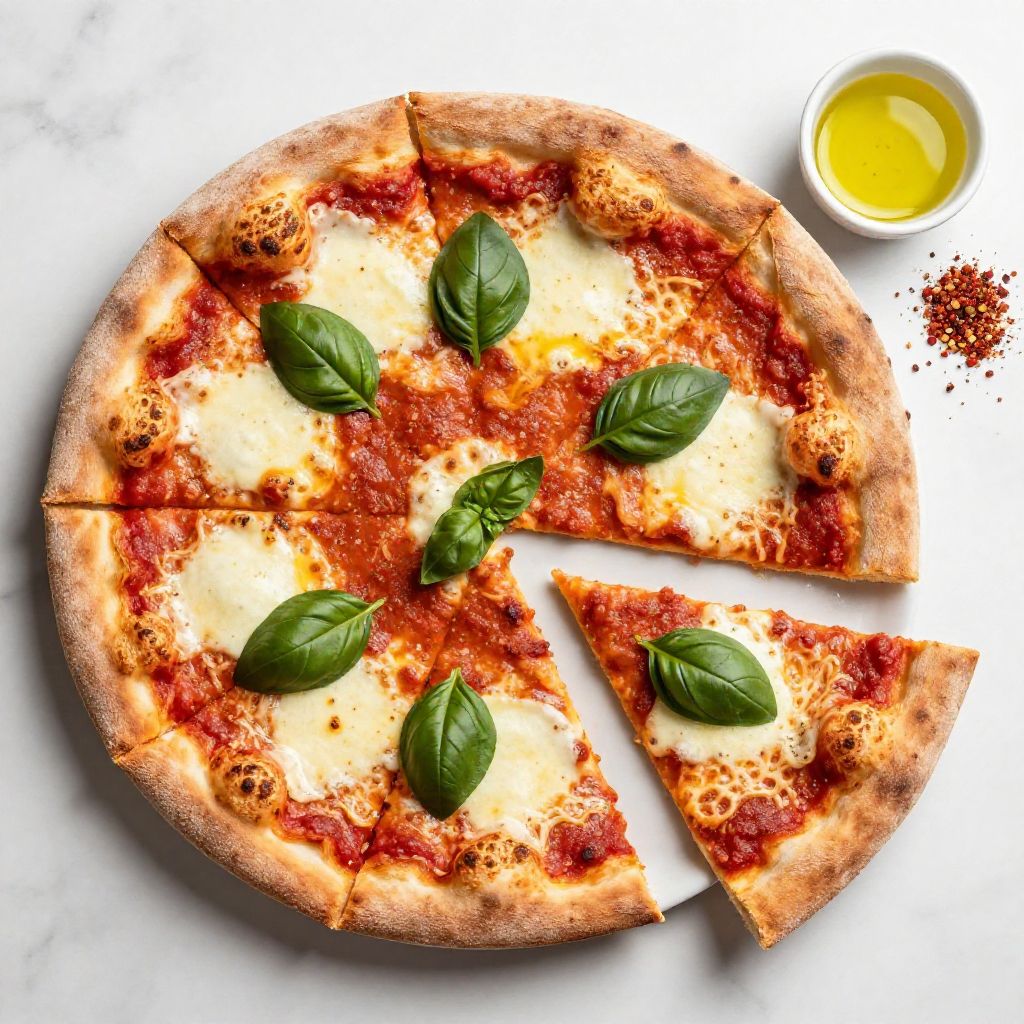
Gluten Free Pizza Crust
Ingredients
Equipment
Method
- Preheat oven to 425°F (220°C).
- In a mixing bowl, whisk together gluten-free flour, baking powder, salt, garlic powder, and Italian seasoning.
- Add olive oil and warm water to the dry ingredients and stir until a slightly sticky dough forms.
- Line a baking sheet with parchment paper.
- Transfer dough to the baking sheet and shape into a 1/4-inch thick crust.
- Bake the crust for 10 minutes in the preheated oven.
- Remove crust and add desired toppings.
- Bake for an additional 5-10 minutes until cheese is bubbly.