
High protein foods are essential components of a balanced diet, providing the building blocks for muscles, skin, enzymes, and hormones. They help in maintaining a healthy weight by promoting feelings of fullness, enhancing metabolic rate, and supporting muscle repair after exercise. Consuming sufficient protein is crucial, whether you’re an athlete, a busy professional, or simply seeking to improve your nutritional intake.
This comprehensive guide details what high protein foods are, along with their amounts, portions, nutrition, and practical tips for incorporating them into your daily meals. Read on to discover how to effectively integrate high protein options into breakfast, lunch, dinner, or snack time.
What Are High Protein Foods?
High protein foods are those that contain a significant amount of protein per serving. Protein is measured in grams, and foods typically considered high in protein contain 10 grams or more of protein per serving. This includes animal products as well as various plant-based items.
Animal-Based High Protein Foods
Animal-based foods tend to be high in protein and also provide other essential nutrients such as vitamins B12 and iron. Here’s a breakdown of some of the most popular animal-based high protein foods:
- Meat: Chicken, turkey, beef, pork, and lamb are all excellent sources of protein. Lean cuts, like chicken breast or sirloin steak, are more desirable for those looking to maintain lower fat intake.
- Fish: Tuna, salmon, cod, and halibut provide not only protein but also essential fatty acids, particularly omega-3s, which are beneficial for heart health.
- Dairy: Milk, yogurt, cheese, and cottage cheese are high in protein and offer calcium and other nutrients that benefit bone health.
- Eggs: Eggs are one of the best sources of protein and contain essential amino acids. A large egg has about 6 grams of protein.
Portion Sizes for Animal-Based Proteins
Understanding the appropriate portion sizes for these proteins is vital for achieving your dietary goals:
- Chicken: A 3-ounce (85 grams) serving provides approximately 25 grams of protein.
- Fish: A 3-ounce (85 grams) serving typically contains around 22 grams of protein, depending on the type.
- Beef: A 3-ounce (85 grams) serving can provide between 22 to 25 grams of protein.
- Greek Yogurt: A 6-ounce (170 grams) serving can offer about 15 to 20 grams of protein.
- Eggs: One large egg contains approximately 6 grams of protein.
Plant-Based High Protein Foods
Plant-based sources of protein are increasingly popular, especially among vegetarians and vegans. These foods can be high in fiber, vitamins, and minerals while providing adequate protein levels.
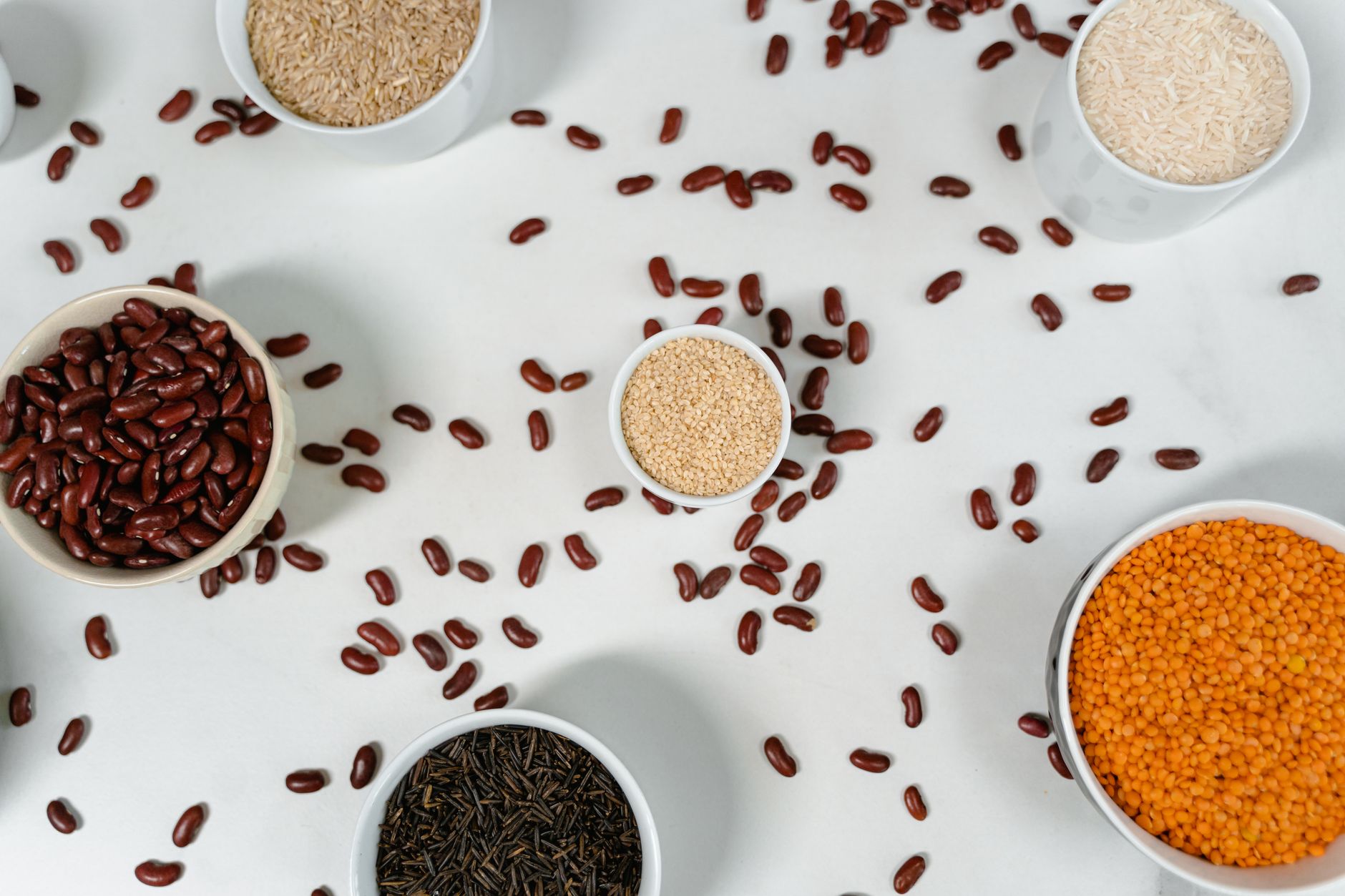
- Legumes: Beans, lentils, and chickpeas are some of the richest plant protein sources, providing about 15-18 grams of protein per cooked cup.
- Nuts and Seeds: Almonds, peanuts, chia seeds, and flaxseeds are packed with protein, with approximately 6-8 grams per ounce (28 grams).
- Tofu and Tempeh: Soy-based products like tofu and tempeh can contain 15-20 grams of protein per serving, making them versatile in various dishes.
- Whole Grains: Quinoa, buckwheat, and barley are examples of whole grains that also provide protein, typically ranging from 5-10 grams per cooked cup.
Portion Sizes for Plant-Based Proteins
Portion sizes can vary widely, but here are some guidelines on serving sizes for plant-based protein:
- Lentils: One cooked cup offers about 18 grams of protein.
- Chickpeas: One cooked cup provides around 15 grams of protein.
- Tofu: A 3.5-ounce (100 grams) serving of firm tofu can contain as much as 10 grams of protein.
- Quinoa: One cooked cup contains about 8 grams of protein.
- Almonds: One ounce (28 grams) provides approximately 6 grams of protein.
Nutrition Benefits of High Protein Foods
Incorporating high protein foods into your diet has numerous benefits:
- Muscle Building and Repair: Protein plays an essential role in muscle growth and repair, helping your body recover from physical activity.
- Weight Management: High protein foods can increase feelings of fullness, which may lead to reduced calorie intake and support weight loss efforts.
- Boosted Metabolism: The thermic effect of food is higher for protein than for fats or carbohydrates, meaning it can give your metabolism a slight boost.
- Blood Sugar Control: Consuming protein alongside carbohydrates may help regulate blood sugar levels and prevent spikes and crashes.
How Much Protein Do You Need?
The Recommended Dietary Allowance (RDA) for protein varies by age, sex, and activity level. Generally, the average adult requires about:
- 56 grams of protein per day for men
- 46 grams of protein per day for women
- Increased amounts for athletes and those involved in heavy training (1.2 to 2.0 grams of protein per kilogram of body weight)
Protein Needs Based on Lifestyle
It’s important to adjust your protein intake according to your lifestyle:
- Active Adults: May require more protein to repair muscle tissue after workouts.
- Older Adults: Higher protein intake may help maintain muscle mass as you age.
- Pregnant and Nursing Women: Increased protein is critical during pregnancy and breastfeeding for the growth of the baby.
Practical Tips for Incorporating High Protein Foods
Incorporating high protein foods into your meals can be straightforward with some planning. Here are practical suggestions:
Breakfast Ideas
- Start your day with Greek yogurt topped with berries and nuts.
- Make scrambled eggs with spinach, tomatoes, and feta cheese.
- Try a smoothie with protein powder, almond milk, and a banana.
- Include nut butter on whole-grain toast for a filling option.
Lunch Suggestions
- Prepare a salad with mixed greens, chickpeas, quinoa, and grilled chicken or tofu.
- Use lentils to make a hearty soup paired with whole-grain bread.
- Wrap turkey or hummus in whole-grain tortillas with plenty of veggies.
- Opt for a bento box filled with edamame, brown rice, and roasted vegetables.
Dinner Recommendations
- Grill salmon and serve with brown rice and steamed broccoli.
- Stir-fry chicken or tofu with mixed colorful vegetables and serve over quinoa.
- Make a casserole with lean ground beef, black beans, and a variety of vegetables.
- Consider chili made with kidney beans, lentils, and ground turkey for a filling meal.
Snack Ideas
- Snack on a handful of almonds or a slice of cheese.
- Enjoy cottage cheese with pineapple or tomatoes for extra flavor.
- Prepare protein bars or energy bites at home for quick snacks.
- Roasted chickpeas with spices make for a crunchy, satisfying snack.
Common Mistakes When Choosing High Protein Foods
While including protein in your diet is essential, there are common pitfalls to avoid:
- Focusing Solely on Animal Protein: Don’t ignore plant-based proteins; they offer additional nutrients and health benefits.
- Relying on Processed Foods: Many high-protein processed foods can be high in sugar, sodium, and unhealthy fats.
- Neglecting Balance: Ensure you maintain a balanced diet that includes carbohydrates and fats alongside protein.
- Not Varying Protein Sources: Different protein sources provide different nutrients; include variety for better health.
Storage and Preparation Tips for High Protein Foods
Proper storage and preparation can maximize the potential of high protein foods:
- Store fresh meats and seafood in the refrigerator for up to two days, or freeze for longer storage.
- Dairy products should be kept refrigerated and consumed before the expiration date.
- Cooked legumes can be stored in the refrigerator for up to a week or frozen for up to six months.
- Consider meal prepping high protein foods like grilled chicken or quinoa to save time during the week.
Reheating Guideline
Reheating protein sources properly is crucial for food safety:
- When reheating meat, ensure it reaches an internal temperature of 165°F (73.8°C).
- Refrigerated leftovers should be consumed within three to four days.
- For frozen items, gradually thaw in the refrigerator rather than at room temperature to reduce bacterial growth.
Summary
High protein foods are valuable additions to a nutritious diet, aiding in muscle repair, weight management, and overall health. By understanding what high protein foods are and how to incorporate them into your meals, you can tailor your diet to meet your unique needs and preferences. Remember the importance of variety and balance while selecting high protein options.
Explore more about high protein treats such as protein brownies or try your hand at some delicious protein cookies for healthier snacking options.