
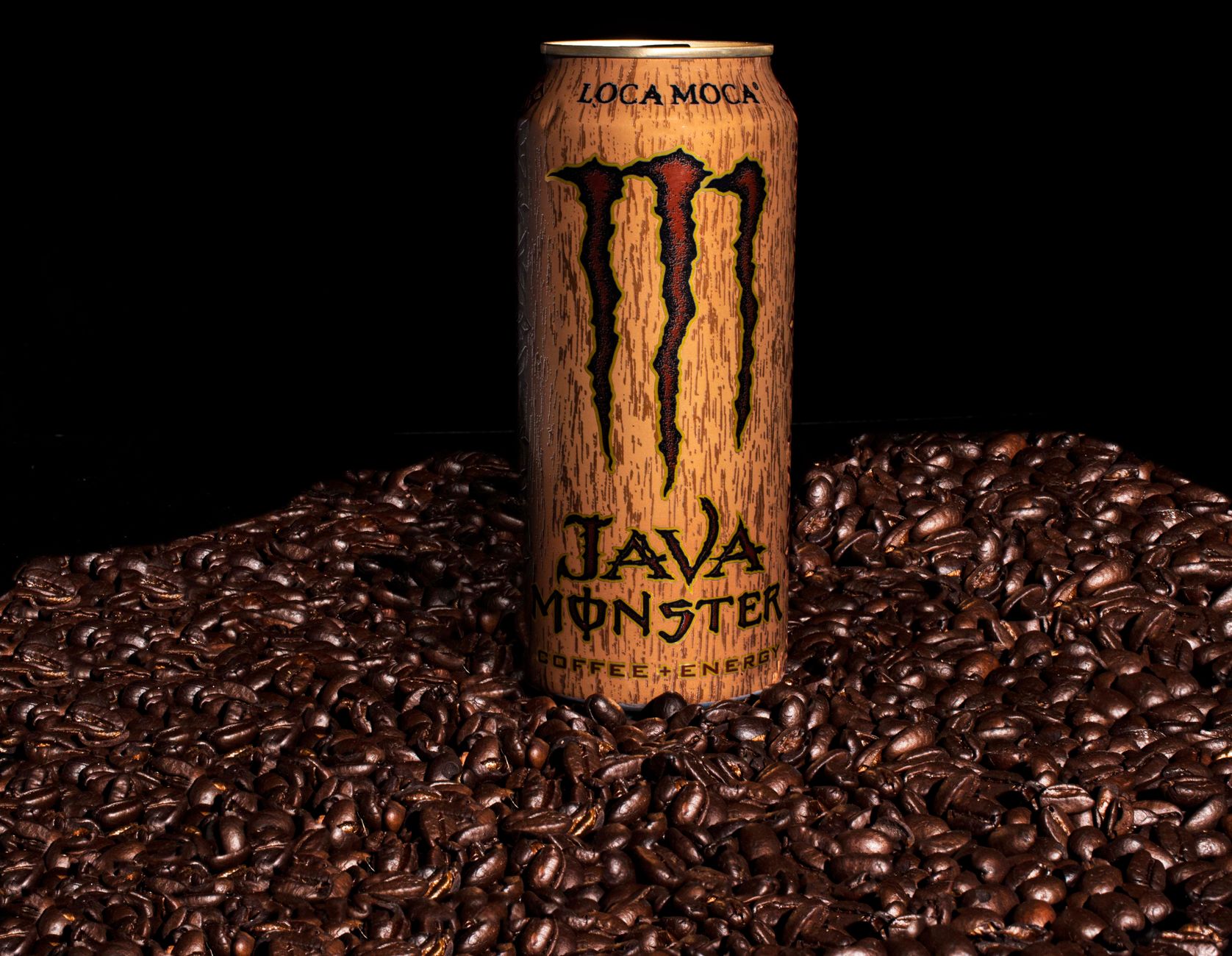
White Monster is a popular energy drink known for its refreshing taste and invigorating effects. Many fans of this beverage often wonder about its caffeine content and how it compares to other drinks they might consume. Understanding how much caffeine is in White Monster can help consumers make informed choices about their daily caffeine intake.
This article will provide a comprehensive overview of the caffeine content in White Monster, discuss potential health considerations, and offer some tips on how to choose energy drinks thoughtfully.
How Much Caffeine in White Monster?
White Monster contains approximately 160 milligrams of caffeine per 16-ounce (approximately 473 mL) can. This caffeine level places it on the higher end of energy drinks available on the market, making it an effective choice for those seeking a quick boost of energy.
For context, here are some common sources of caffeine and their approximate caffeine content:
- 8-ounce cup of brewed coffee: 95 mg
- 12-ounce cola: 30-40 mg
- 8-ounce cup of black tea: 40-70 mg
Understanding Caffeine’s Role in Energy Drinks
Caffeine is a natural stimulant that affects the central nervous system, leading to increased alertness and reduced perception of fatigue. Energy drinks like White Monster are often marketed to enhance athletic performance and provide quick energy boosts.
While caffeine can improve concentration and energy levels, it is essential to consume it responsibly. Overconsumption may lead to negative side effects such as jitteriness, insomnia, increased heart rate, and stress on the cardiovascular system.
Health Considerations for Caffeine Consumption
Understanding how caffeine affects your body can help you make better choices regarding its consumption. Here are some factors to consider:
- Individual tolerance: People have varying levels of tolerance to caffeine influenced by factors including age, body weight, and overall health. Knowing your limits is crucial.
- Recommended limits: Most health organizations suggest a maximum caffeine intake of 400 mg per day for most adults, which is equivalent to about four 8-ounce cups of brewed coffee. Pregnant individuals and those with specific health conditions may need to limit their intake further.
- Side effects: Look out for symptoms like headaches, dizziness, or irregular heartbeat, especially if you consume other caffeine sources throughout the day.
Comparing White Monster to Other Energy Drinks
When deciding if White Monster is the right energy drink for you, it’s helpful to compare its caffeine content to other popular options:
| Energy Drink | Caffeine Content (mg) | Serving Size |
|---|---|---|
| Red Bull | 80 mg | 8.4 oz (250 mL) |
| Rockstar | 160 mg | 16 oz (473 mL) |
| Monster Energy (original) | 160 mg | 16 oz (473 mL) |
| 5-Hour Energy | 200 mg | 2 oz (59 mL) |
This comparison underscores that White Monster has a caffeine content similar to Rockstar and Monster Energy (original), making it a competitive choice for those looking for an energy boost.
Taste and Flavor Profile
White Monster is known for its crisp and refreshing taste, often described as crisp apple or citrusy. This flavor appeals to many consumers who prefer a cleaner taste compared to darker or sweeter energy drinks. It’s a popular choice among those looking to stay alert without the overwhelming sweetness some energy drinks may have.
Choosing Energy Drinks Wisely
To make an informed decision when selecting energy drinks, consider the following tips:
- Read labels: Always check the label for the caffeine content, serving size, and other ingredients. Some drinks may contain added sugars or stimulants that could lead to unwanted side effects.
- Consider your activities: If you’re planning a long workout or an all-nighter, a higher caffeine content might be beneficial, but ensure you stay hydrated.
- Balance with food: Consuming energy drinks alongside food can help mitigate potential side effects like jitteriness or stomach upset.
- Watch for interactions: Be mindful of how energy drinks interact with medications or supplements you may be taking.
Alternatives to Energy Drinks
If you’re concerned about caffeine intake or prefer to avoid energy drinks altogether, there are several alternatives that can provide a natural energy boost:
- Green tea: Contains about 30-50 mg of caffeine per 8-ounce cup and is rich in antioxidants.
- Matcha: A concentrated form of green tea, matcha provides a steady release of energy and is packed with nutrients.
- Yerba mate: This traditional South American drink contains about 30-50 mg of caffeine and offers a unique flavor profile.
- Natural smoothies: Combining fruits, vegetables, and perhaps a scoop of protein powder can provide long-lasting energy without the crash associated with energy drinks.
Homemade Energy Drink Recipe
If you prefer a DIY approach, here’s a simple recipe for a homemade energy drink that provides hydration and a moderate caffeine boost without excessive sugar or additives:
Ingredients:
- 16 ounces (474 mL) water
- 1-2 tablespoons of brewed green tea (or 1 tea bag)
- 1 tablespoon of honey or agave syrup (optional)
- Juice of ½ lemon or lime
- A pinch of sea salt (for electrolytes)
Instructions:
- Boil water and steep the green tea for 3-5 minutes.
- Remove the tea bag or strain the leaves and let it cool.
- In a pitcher, combine the cooled tea, honey (if using), lemon juice, and sea salt.
- Add additional water to dilute as desired and stir well.
- Chill in the refrigerator before serving.
Storing and Handling Energy Drinks
Proper storage of energy drinks is essential for maintaining their quality. Here are some tips:
- Keep refrigerated: If opened, store energy drinks in the refrigerator and consume within a few days.
- Avoid direct sunlight: Store unopened cans in a cool, dark place to preserve freshness.
- Check expiration dates: Consume energy drinks before the expiration date indicated on the can for the best taste and safety.
Common Misconceptions About Caffeine
There are many myths about caffeine that can lead to confusion. It’s important to clarify these misconceptions:
- Caffeine dehydrates you: While caffeine has mild diuretic properties, moderate consumption does not lead to significant dehydration if you are already adequately hydrated.
- All caffeine is bad: Research suggests that moderate caffeine consumption can have benefits, including improved cognitive function and reduced risk of certain diseases.
- Caffeine prevents sleep entirely: While caffeine can disrupt sleep if consumed close to bedtime, individuals may metabolize it differently.
Where to Buy White Monster
White Monster is widely available in grocery stores, convenience stores, and online retailers. When purchasing, look for bulk options or multipacks, as these can sometimes offer a better price per can.
Keep an eye out for flavor variances; White Monster is just one of many flavors available under the Monster Energy brand. Experimenting with different flavors can provide refreshing alternatives to suit your taste.
Summing Up Caffeine in White Monster
White Monster offers a substantial dose of caffeine at 160 mg per 16-ounce can, making it a compelling choice for those seeking quick energy. Understanding its caffeine content and how it fits into your overall daily intake is crucial for responsible consumption.
When enjoying energy drinks, it’s also helpful to explore alternatives and consider personal caffeine tolerance. Ultimately, making informed choices will enhance your overall well-being.
For more insights, have a look at how much caffeine is in chai tea or find out whether Diet Dr. Pepper contains caffeine. Exploring various drinks can further enrich your understanding of caffeine and hydration.