
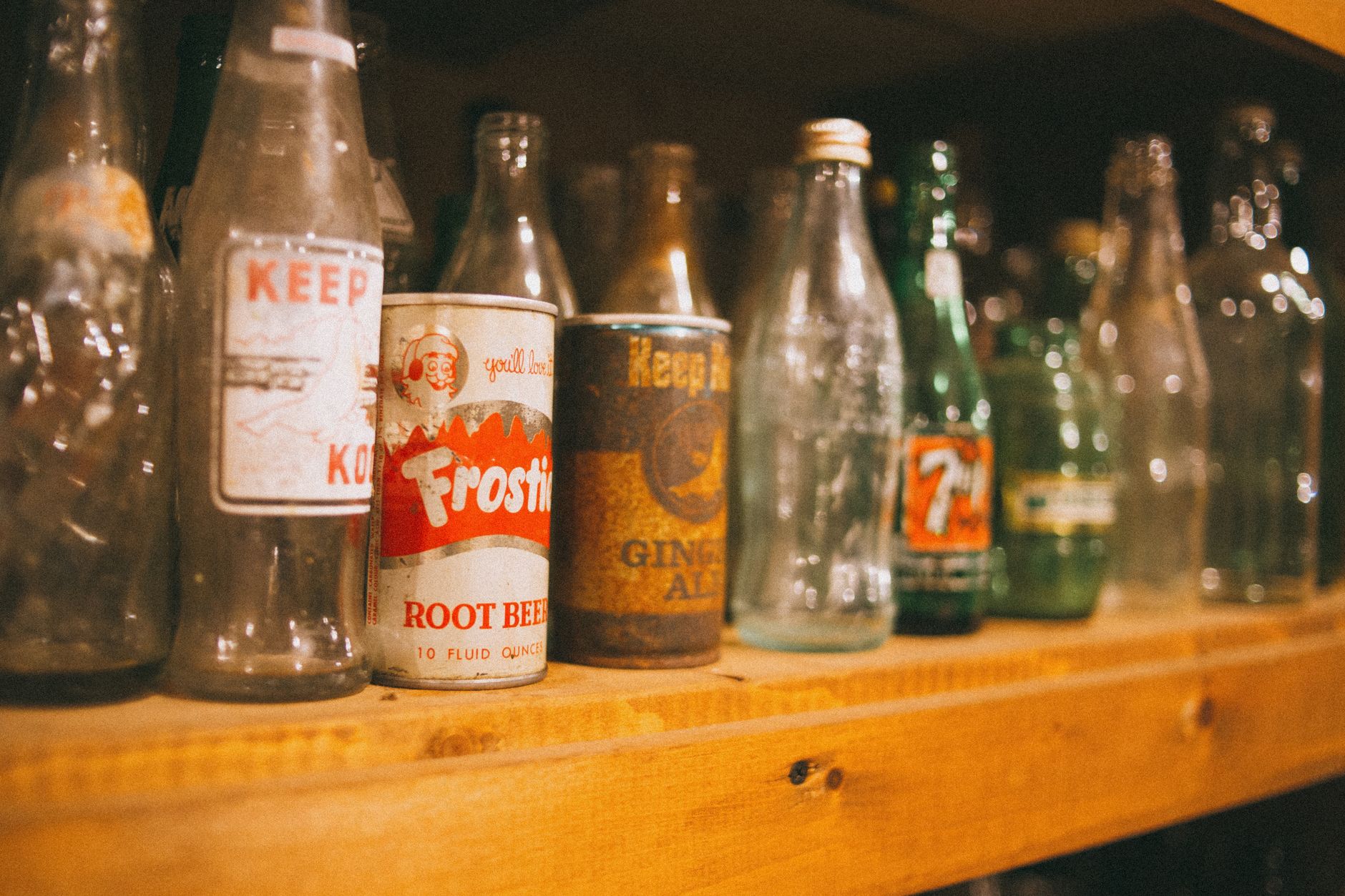
Root beer is a beloved soft drink with a rich history and a unique flavor profile that often brings nostalgia to those who remember enjoying it as children. This delightful beverage, generally carbonated and sweetened, stands out thanks to its distinctive blend of flavors derived from various roots and spices. Understanding how root beer is made not only allows fans to appreciate every sip but also empowers those interested in crafting their own batch at home.
In this article, we will delve into the ingredients that make up root beer, the step-by-step process of making it, serving tips, and some variations you can try to customize your beverage. Whether you are a casual drinker or a homebrewing enthusiast, you will find valuable information here to enhance your root beer-making experience.
How Is Root Beer Made?
Root beer is made using a combination of natural flavors, sweeteners, carbonation, and often a fermentation process. The blend of spices and roots, such as sassafras and sarsaparilla, gives root beer its signature taste. This beverage is usually served cold, often topped with ice cream to create the popular root beer float.
Ingredients for Homemade Root Beer
Crafting root beer at home can be a rewarding endeavor, with the ability to customize flavors and sweetness levels to your preference. The key ingredients in a traditional root beer recipe include:
- Sassafras Root Bark: The primary flavoring agent that provides the distinctive taste.
- Sarsaparilla Root: Adds a complementary flavor and aroma to the drink.
- Wintergreen Leaves: This botanical ingredient gives root beer its refreshing quality.
- Other Flavorings: Other herbs and spices such as vanilla, licorice, nutmeg, and star anise can be used for additional flavor complexity.
- Sweeteners: Sugar, brown sugar, or honey acts to balance the flavors. Some recipes may even include molasses.
- Water: The base of the beverage; filtered water is preferred.
- Yeast: If using fermentation to carbonate root beer, active dry yeast or champagne yeast is essential.
- Priming Sugar (if fermenting): Used to achieve carbonation during fermentation.
Optional Ingredients for Variations
There are plenty of optional ingredients you can incorporate based on personal preference:
- Fruit Zests: Citrus zest from oranges or lemons can add a refreshing twist.
- Herbal Teas: Chamomile or hibiscus tea can create floral notes.
- Spices: Cinnamon or ginger may add warmth and depth to the flavor.
The Method: How to Make Root Beer
Homemade root beer can be prepared via two main methods: the traditional brewing method and the quicker soda-making process using syrups. Below, we will detail a straightforward brewing method that includes fermentation for carbonation, along with a simple soda-making method for those who prefer not to ferment.
Traditional Brewing Method (with Fermentation)
This method allows you to create an authentic root beer with natural carbonation. Here’s a step-by-step process:
- Prepare the Ingredients: Gather the herbs and spices, measuring out about ½ cup of sassafras root, ¼ cup of sarsaparilla root, and ¼ cup of wintergreen leaves.
- Simmer the Roots: In a large pot, bring 4 cups of filtered water to a boil. Add the sassafras, sarsaparilla, wintergreen, and any additional flavorings like vanilla. Reduce heat and let it simmer for about 30 minutes.
- Strain the Mixture: After simmering, strain the mixture through a fine mesh sieve or cheesecloth into another pot to remove the root pieces. You should have a fragrant liquid.
- Add Sweetener: While the mixture is still warm, add 1 to 1.5 cups of your chosen sweetener. Stir until fully dissolved.
- Add Water: Add about 6 cups of cool water to the mixture. This will help bring the temperature down and dilute the syrup.
- Cool the Mixture: Before adding yeast, allow the mixture to cool to around room temperature to avoid killing the yeast.
- Add Yeast: Once cooled, sprinkle about ¼ teaspoon of active dry yeast or champagne yeast into the mixture. Stir gently to combine.
- Fermentation: Pour the mixture into sanitized bottles, leaving some space at the top. Seal the bottles and allow them to ferment at room temperature for about 3 days. Burp the bottles daily to release excess pressure.
- Refrigerate: After 3 days, move the bottles to the refrigerator. This will halt further fermentation and carbonation.
- Serve: Chill thoroughly and serve over ice. You can also create a root beer float by adding a scoop of vanilla ice cream.
Quick Soda-Making Method (No Fermentation)
If you prefer a quicker method without fermentation, you can make simple root beer using concentrated root beer extract:
- Gather Ingredients: You will need 1-2 tablespoons of root beer extract, 1 cup of sugar, and 2 liters of carbonated water.
- Mix the Base: In a large mixing bowl, combine the root beer extract and sugar.
- Add Carbonated Water: Slowly add the carbonated water, mixing gently to ensure even distribution of flavors and sweetness.
- Chill and Serve: Refrigerate for a couple of hours to chill before serving. Optionally, add ice before pouring.
Common Mistakes and Troubleshooting
When making root beer, it’s important to be mindful of some common pitfalls that can affect the final beverage.
Over-Sweetening
One of the most common mistakes is adding too much sweetener. Start with less than you think you need, as you can always add more after tasting.
Improper Fermentation
If bottles do not seem to carbonate, ensure that you added the yeast to a cooled liquid, as high temperatures can kill the yeast. Ensure that bottles are sealed tightly to trap carbonation.
Flavor Imbalance
A root beer that tastes off may need a re-balance of spices and sweetness. Adjust any spices you added and experiment with different quantities in batches to perfect your flavor profile.
Serving Tips for Root Beer
Once you have created a fantastic batch of root beer, consider the following serving suggestions:
- Float It: Serve root beer over a scoop of vanilla ice cream to make a delicious root beer float.
- Garnish: Add mint leaves or a slice of lime for a refreshing touch.
- Chill: Serve in chilled glasses to keep your drink refreshing for longer.
- Variety: Experiment with different herbs or spices to create unique flavors.
Conclusion
Making root beer at home can be a fun and rewarding experience, allowing you to enjoy a personalized version of this classic beverage. Whether you choose the fermentation route or the simple soda-making method, root beer can provide a refreshing treat suitable for any occasion. Enjoy experimenting with flavors and serving styles, and don’t hesitate to adjust the recipe to fit your taste.
For further exploration of flavors, check out our guide on what molasses is made from or learn to enhance your drinks with ginger syrup recipes. Happy brewing!