
Wine is an exquisite beverage cherished by many for its diverse flavors and aromas. When it comes to storage, one of the most common questions arises: do you refrigerate wine? Understanding the best practices for wine storage helps maintain its quality and enhances your enjoyment.
In this article, we will explore the ins and outs of wine refrigeration, including what types of wine benefit from refrigeration, how to properly store them, signs of spoilage, and best practices depending on the wine type. Let’s keep your wine at its ideal condition!
Do You Refrigerate Wine?
Yes, certain wines benefit significantly from refrigeration, while others do not. Light-bodied white wines, rosés, and sparkling wines are ideal for refrigeration, while most red wines should be stored at slightly higher temperatures. The right temperature enhances wine’s flavors and aromas, ensuring a delightful experience when served.
Understanding Wine Types
Knowing your wine types is crucial for understanding storage requirements. Wines are broadly categorized into three types: red, white, and sparkling. Each type has its unique characteristics and optimal storage conditions.
Red Wines
Red wines are generally served at room temperature, around 60-65°F (15-18°C). However, there are exceptions based on the wine’s body and tannin levels. Wines with a lighter body, such as Pinot Noir, can benefit from brief chilling, while heavier reds like Cabernet Sauvignon should remain at a warmer temperature.
White Wines
White wines, particularly those that are crisp and fruity, should be stored in the refrigerator at 45-50°F (7-10°C). This cooling helps to preserve their freshness and enhances the fruitiness. Richer white wines like Chardonnay are best served slightly warmer but still benefit from refrigeration.
Sparkling Wines
Sparkling wines and Champagne should be kept in the refrigerator until ready to serve. Their ideal serving temperature is around 40-50°F (4-10°C). Chilling enhances the effervescence and crispness, providing a refreshing taste experience.
Storage Guidelines for Wine
Proper storage is essential to maintain wine quality. Here are guidelines to help you store your wines effectively.
Temperature Control
Maintaining a stable temperature is vital for wine storage. Fluctuations can lead to spoilage. Aim for optimal temperatures specific to each wine type:
- Red wines: 60-65°F (15-18°C)
- White wines: 45-50°F (7-10°C)
- Sparkling wines: 40-50°F (4-10°C)
Humidity Levels
The ideal humidity level for wine storage is around 50-70%. Too low humidity can dry out corks, leading to oxidation, while high humidity may cause mold growth. A climate-controlled wine fridge can help maintain appropriate conditions.
Light Exposure
Wine bottles should be stored away from direct sunlight and bright indoor lighting. Ultraviolet (UV) rays can degrade wine quality, causing unpleasant flavors and aromas. Opt for a dark storage area or use brown glass bottles that provide UV protection.
Vibration
Wine is sensitive to vibrations, which can disrupt the aging process. Avoid storing wine near appliances like refrigerators or washing machines. A dedicated wine fridge or cellar can provide a stable environment.
How to Refrigerate Wine
For wines that benefits from refrigeration, here’s an efficient approach to chilling and serving.
Chilling Method
The most effective way to chill wine quickly is by using an ice bucket. Here’s how:
- Fill a large bucket with equal parts ice and cold water.
- Submerge the wine bottle for about 15-30 minutes.
- For additional cooling, periodically rotate the bottle.
If you have more time, placing the wine in the refrigerator for several hours works well too. For very quick service, the ice bucket is preferred.
Serving Temperature
Ensure that you serve wine at the right temperature. For red wines, a slight chill can improve flavor, while white and sparkling wines benefit from being fully chilled. Use a thermometer to check temperatures or serve based on feel; colder wines are more refreshing.
Signs of Spoilage in Wine
Wine spoilage can alter flavor, aroma, and overall quality. Recognizing spoilage signs is crucial for your wine enjoyment. Here are common signs to look out for:
Oxidation
If a wine has been exposed to too much air, it may develop an oxidized flavor, often described as flat or stale. You might notice a brownish hue in white wines or a dulling of vivid aromas.
Cork Taint
Cork taint occurs when a wine is contaminated with TCA (2,4,6-trichloroanisole). Symptoms include a musty smell reminiscent of wet cardboard. Affected wines lose their vibrant aroma and flavor.
Off-Odors
Unpleasant smells can indicate spoilage. Sour aromas or hints of vinegar suggest the wine has turned due to bacterial contamination. A fresh, fruity scent is the hallmark of a healthy wine.
Temperature Abuse
Wines stored at inappropriate temperatures can develop unacceptable flavors. High temperatures can cook the wine, making it taste stewed or overly sweet. If you suspect your wine has encountered temperature fluctuations, proceed with caution.
Best Practices for Wine Storage
In addition to refrigeration and recognizing spoilage, following best practices can help you maintain your wine’s quality.
Use a Wine Fridge
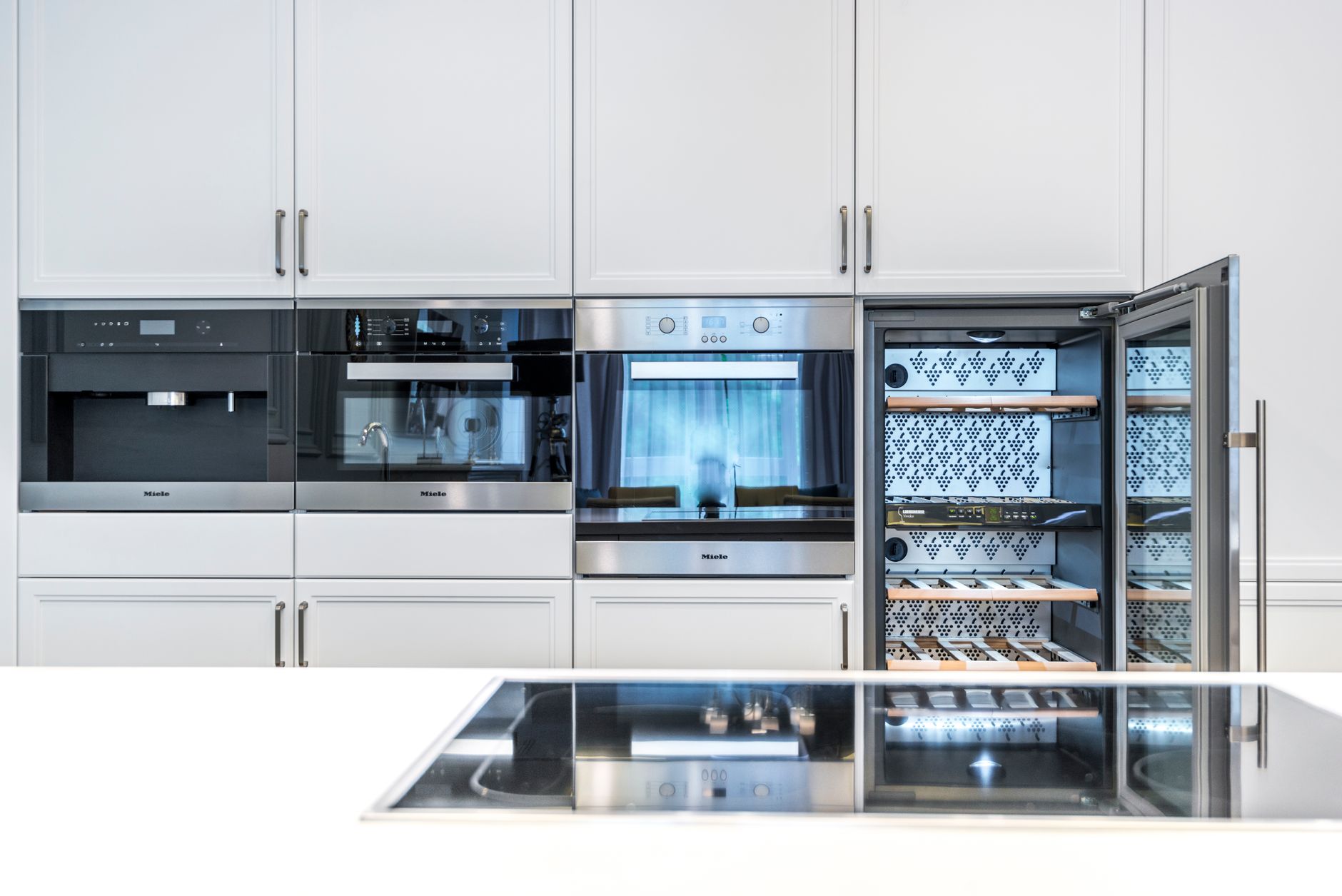
A wine fridge provides a controlled environment specifically designed for wine storage. Most models allow you to set the temperature for different zones, accommodating various wine types. Investing in a wine fridge can preserve your collection for longer.
Store Upright or Horizontally
While many wine aficionados suggest horizontal storage to keep corks moist, modern synthetic corks and screw caps allow for upright storage without the risk of drying out. However, natural corks should be stored horizontally to prevent air from entering the bottle.
Avoid Frequent Opening
Once opened, wines should be consumed within a few days or stored properly. Refrigerate opened white and sparkling wines and seal them with a cork or wine stopper. Red wines can be recorked or transferred to smaller bottles to minimize oxygen exposure.
How Long Can You Keep Wine After Opening?
Once opened, the lifespan of wine varies based on the type and storage conditions. Here’s a general guideline:
- Red wine: 3-5 days if recorked and stored in a cool place.
- White wine: 3-7 days in the refrigerator with a cork.
- Sparkling wine: 1-3 days using a sparkling wine stopper.
Keep in mind that the flavor and aroma may change over time, so it’s best to enjoy opened wine sooner rather than later.
Practical Tips for Wine Enthusiasts
As your appreciation for wine grows, here are additional tips to enhance your wine experience:
Experiment with Temperature
Different wines can showcase unique flavor profiles at different temperatures. Experiment to discover which serving temperatures you enjoy most for your favorite wines.
Keep a Wine Journal
Recording tasting notes can enhance your learning and appreciation of wines. Note the flavors you detect, the composition, and your overall impressions for future reference.
Try Wine Preservation Systems
For those who often leave wine unfinished, consider investing in a wine preservation system, such as vacuum pumps, which remove excess air after opening a bottle, extending its freshness.
Conclusion
Understanding whether to refrigerate wine hinges on knowing wine types and optimal storage practices. By following these recommendations, you can enhance the quality of your wine, prevent spoilage, and ensure a delightful experience every time you pop open a bottle.
For more practical food tips and guides exploring similar topics, check out our articles on how to store cheese, the best food and wine pairings, and cocktail recipes for any occasion.