
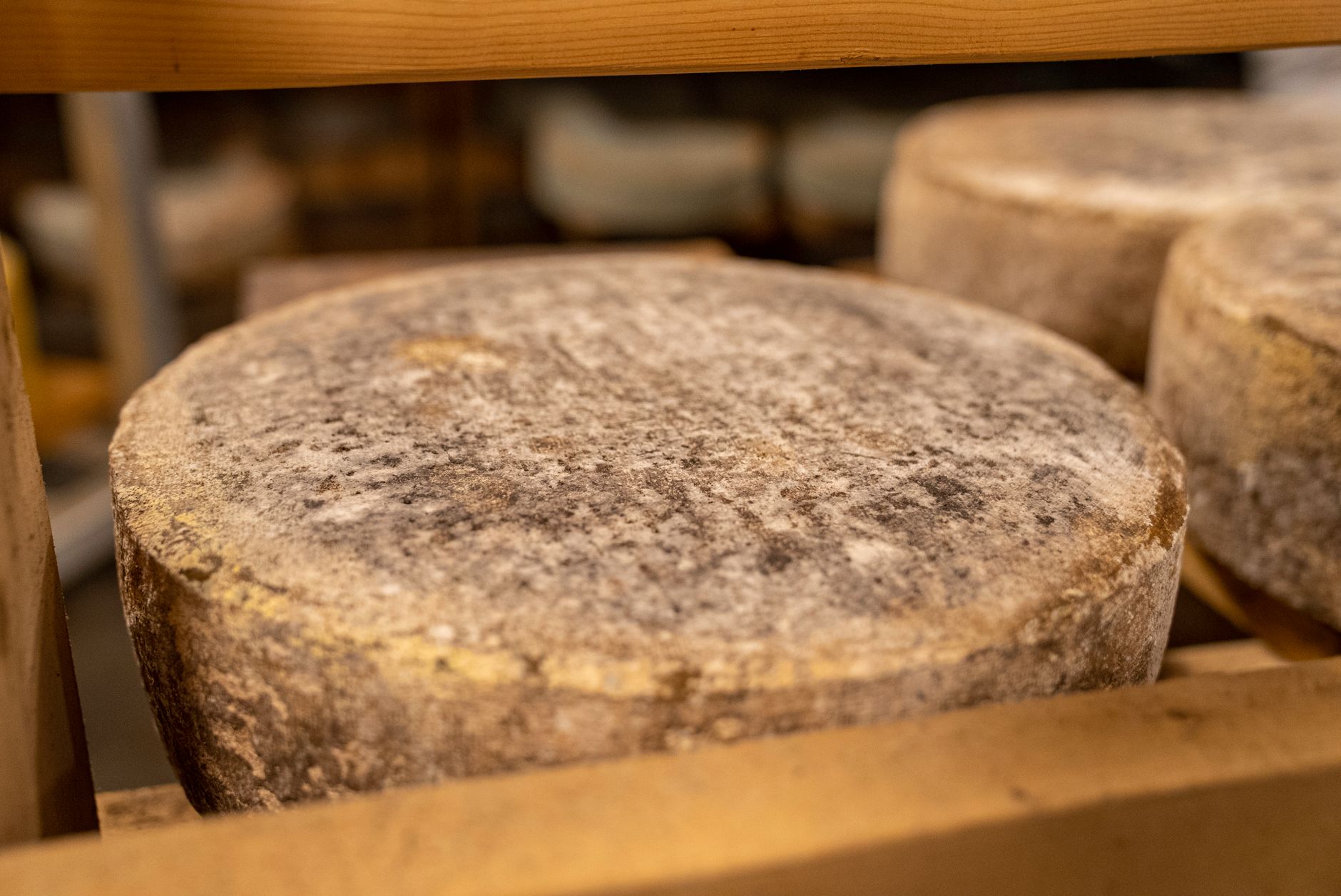
Gruyere cheese is a beloved Swiss cheese known for its rich flavor and versatile uses in various culinary applications. This article explores the taste and texture of Gruyere cheese, highlighting its unique characteristics, how it fits in diverse dishes, and practical tips for cooking and pairing.
Whether you’re a seasoned cheese lover or someone looking to explore new flavors, understanding what Gruyere cheese tastes like can enhance your culinary experiences. Let’s dive into the delightful world of Gruyere and discover its qualities.
What Does Gruyere Cheese Taste Like?
Gruyere cheese boasts a distinct taste profile that can be described as creamy, nutty, and slightly sweet, complemented by a hint of earthiness. It is well-known for its complex flavor that can develop depth with aging, ranging from mild and buttery when young to richer and more pronounced in flavor as it matures. Gruyere also features a firm yet smooth texture that melts beautifully, making it an ideal choice for numerous dishes.
The flavor of Gruyere cheese evolves as it ages, with the younger varieties typically showcasing a delicate sweetness, while older versions present a stronger, more savory taste. The cheese also carries subtle fruity notes, which can vary based on the milk used in its production and the region it comes from.
The Texture of Gruyere Cheese
Gruyere cheese has a firm texture, which makes it easy to slice or grate. While young Gruyere is creamy and slightly elastic, aged Gruyere can become more granular and crumbly. This gradual transition influences its melting properties, allowing young Gruyere to melt smoothly in dishes like fondue, while aged Gruyere can be used in gratins and toppings for its robust flavor.
Using Gruyere Cheese in Cooking
Because of its rich taste and versatile melting characteristics, Gruyere cheese is frequently used in various recipes. Its ability to enhance the flavor of many dishes makes it a staple ingredient in Swiss cuisine, as well as in international fare.
Classic Uses of Gruyere Cheese
- Fondue: A traditional Swiss dish where Gruyere is melted with white wine and served with bread for dipping.
- Quiche: Used in quiche Lorraine, Gruyere adds creaminess and flavor to this savory pie.
- Gratins: Perfect for topping dishes like potato gratin or vegetable bakes, Gruyere creates a delightful crispy layer when baked.
- Sandwiches: Its melting properties make Gruyere an excellent addition to gourmet grilled cheese sandwiches.
- Soups: Diving into creamy soups can be enhanced with grated Gruyere for added flavor.
Aging and Flavor Development
The aging process plays a significant role in the flavor transformation of Gruyere cheese. Typically, Gruyere cheese is aged for a minimum of five months, but it can age anywhere from six months to over a year. During this time, the flavor becomes more pronounced and complex.
Young Gruyere
Young Gruyere, aged from five to six months, is characterized by its mild flavor, slightly sweet notes, and creamy texture. This version works well in dishes where a subtler cheese flavor is desired without overpowering other ingredients. Use it in salads, light sauces, and melted cheese bites.
Aged Gruyere
Aged Gruyere, aged for at least 10 to 12 months, offers a more robust, nutty flavor. The texture is firmer and crumblier, making it ideal for grating over pasta and casseroles. Aged Gruyere can also be enjoyed on its own alongside fruits, nuts, and quality bread.
Choosing the Right Gruyere Cheese
When selecting Gruyere cheese, consider the intended use. To ensure you find the right flavor and texture, look for these key characteristics:
- Color: A well-aged Gruyere is often a darker yellow compared to younger versions.
- Texture: The cheese should feel smooth and slightly firm; avoid any excessive cracks.
- Aroma: Fresh Gruyere has a pleasant milky scent, while aged varieties may have stronger nutty or earthy notes.
- Origin: Authentic Swiss Gruyere is regulated, so check for the “AOC” label which guarantees it’s a genuine product from Switzerland.
Pairing Gruyere Cheese
Pairing Gruyere with complementary foods can enhance your tasting experience even further. Here are some excellent matches:
Wine Pairings
Gruyere cheese pairs beautifully with various wines. The following suggestions can enhance the flavors of both the wine and the cheese:
- White Wine: A dry white wine like Sauvignon Blanc or a fruitier option like Chardonnay.
- Red Wine: Light-bodied red wines with moderate tannins, such as Pinot Noir.
- Sparkling Wine: Dry Champagne or Prosecco can complement the nutty flavors of Gruyere.
Food Pairings
In addition to wine, consider these food pairings:
- Fruits: Apples, pears, and grapes provide a refreshing contrast to the cheese’s richness.
- Nuts: Almonds and walnuts enhance the overall flavor profile.
- Meats: Cured meats like prosciutto or salami work well in charcuterie boards.
- Breads: Crusty artisan bread or baguettes are ideal for serving with Gruyere.
Practical Tips for Cooking with Gruyere Cheese
When cooking with Gruyere cheese, consider these practical tips to get the best results:
Grating and Slicing
For smooth melting, grate Gruyere rather than slicing it. The smaller pieces will melt evenly, making it easier to incorporate into sauces or spread over dishes. A box grater or food processor is convenient for this task.
Melting Properties
Gruyere cheese can be used in both melted and baked forms. For best melting results, combine it with a bit of cornstarch to prevent clumping and ensure a smooth consistency in sauces.
Storage Tips
Store Gruyere cheese wrapped in wax paper or parchment paper, followed by a loose layer of plastic wrap to allow it to breathe while maintaining moisture. Keep it in the cheese drawer of your refrigerator to avoid strong odors from other foods.
Common Mistakes When Using Gruyere Cheese
While Gruyere cheese is relatively forgiving, being aware of common pitfalls can enhance your culinary outcomes:
- Overheating: Avoid cooking Gruyere cheese over high heat, which can cause it to become oily and lose its flavor.
- Inappropriate Pairings: Be mindful of strong-flavored ingredients that may overwhelm the cheese’s delicate taste.
- Poor Quality: Always choose high-quality Gruyere for the best flavor.
Opt for reputable brands or local cheesemakers instead of generic options.
Exploring Gruyere Cheese Around the World
While Gruyere originates from Switzerland, it has found its way into an array of global cuisines, each incorporating its unique twist. Countries like France and the United States feature Gruyere in regional recipes, highlighting its versatility.
French Cuisine
In France, Gruyere is often featured in dishes like Croque Monsieur, a classic ham and cheese sandwich, and French onion soup, adding depth to the flavor profile.
American Cuisine
In the United States, Gruyere becomes a popular choice for mac and cheese recipes, blending well with other cheeses while offering its signature nutty flavor.
Final Thoughts
Understanding the taste and texture of Gruyere cheese not only enriches your knowledge of this delightful ingredient but also inspires new culinary adventures in your kitchen. Known for its creamy, nutty flavor and versatility in cooking, Gruyere shines in everything from melted dishes to charcuterie boards. Whether grilled, baked, or enjoyed on its own, Gruyere cheese offers a unique taste sensation that elevates any meal.
To enjoy Gruyere cheese in its classic form, consider making Swiss fondue with our Swiss Fondue recipe, or create a delicious and creamy Mornay sauce using our Mornay Sauce recipe. Explore these options to celebrate the delightful flavors of Gruyere cheese.