
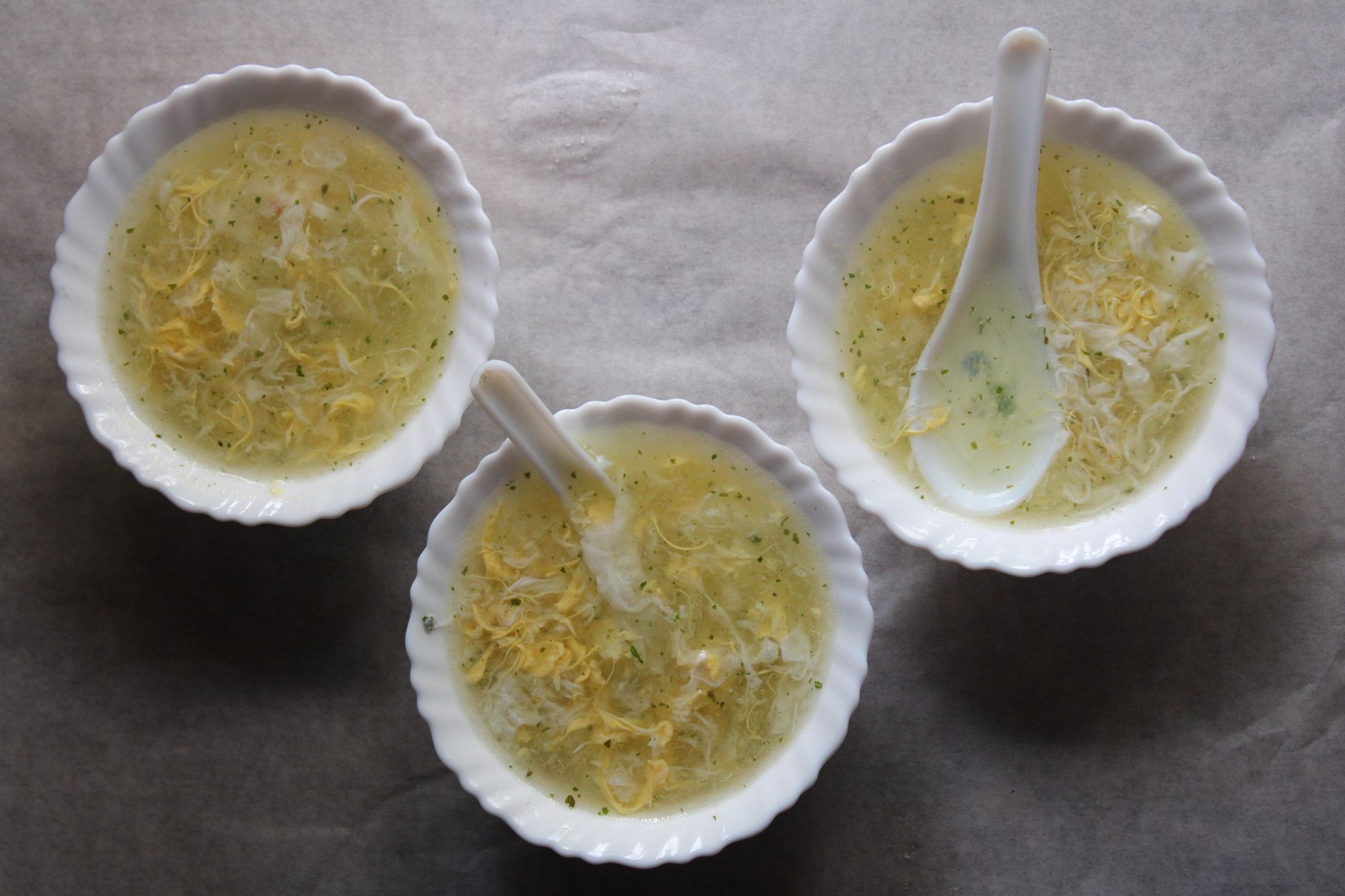
Broth and stock are staples in the culinary world, often used interchangeably by home cooks and chefs alike. However, these two liquids serve different purposes and are made using distinct methods that impact their flavors and uses in cooking. Understanding the difference can elevate your dishes and enhance your cooking skills.
This article will delve into the key differences between broth and stock, their respective uses in various dishes, suitable substitutes, and some invaluable tips for making the most out of these essential kitchen ingredients.
What Is The Difference Between Broth And Stock?
The primary difference between broth and stock lies in their ingredients and preparation methods. Broth is typically made by simmering meat and vegetables, often including bones, for a shorter period, resulting in a light, flavorful liquid. Stock, on the other hand, is made by simmering bones, often roasted, along with mirepoix (a mix of onions, carrots, and celery) and herbs, for a more extended period, yielding a richer and more gelatinous liquid.
Ingredients and Preparation Methods
Broth Ingredients
- Meat: Usually includes meat cuts with some bones, like chicken thighs or beef shank.
- Vegetables: Commonly includes aromatics like onion, garlic, carrots, and celery.
- Herbs and spices: Bay leaves, thyme, and peppercorns are often used for additional flavor.
- Water: The main component used to simmer the ingredients.
Stock Ingredients
- Bones: Often includes beef, chicken, or fish bones, sometimes roasted to enhance flavor.
- Mirepoix: A combination of onions, carrots, and celery traditionally used as a flavor base.
- Herbs: Parsley stems, bay leaves, and thyme typically enhance the broth’s aroma and taste.
- Water: Used to cover the bones and other ingredients during cooking.
Preparation Methods
Broth and stock are prepared using similar processes but differ in cooking time and methods:
How to Make Broth
- In a large pot, combine meat, chopped vegetables, and herbs.
- Cover the ingredients with water, and bring to a boil over high heat.
- Once boiling, reduce the heat to low and let it simmer for 1 to 2 hours, skimming off any foam or impurities that rise to the surface.
- Strain the broth through a fine mesh sieve, discarding solids.
- Cool the broth quickly and store it in the refrigerator or freeze for later use.
How to Make Stock
- Roast bones in the oven until browned (optional) to enhance flavor.
- In a large stock pot, combine roasted bones with mirepoix and herbs.
- Add enough water to cover ingredients and bring to a boil over high heat.
- Once boiling, reduce heat and let simmer for 4 to 12 hours, skimming as needed.
- Strain the stock through a fine mesh sieve and discard solids.
- Cool and store in the refrigerator or freeze for future use.
Flavor and Texture Differences
Broth and stock also differ significantly in flavor and texture. Broth tends to be lighter and more flavorful due to the presence of meat, which may also give it a slightly oily surface layer. Meanwhile, stock develops a richer, more intense flavor thanks to prolonged cooking, which extracts gelatin and other nutrients from the bones. This creates a thicker, more viscous texture once cooled, sometimes resulting in a gel-like consistency due to the gelatin.
Common Uses for Broth and Stock
Understanding how to properly use broth and stock can enhance your cooking skills and improve the quality of your meals.
Uses of Broth
- Soups: Ideal for lighter soups, like chicken noodle or vegetable soup.
- Stews: Broth can lighten the flavors in stews, complementing fresh ingredients.
- Grains: Excellent for cooking rice, quinoa, or couscous, lending additional flavor.
- Base for Sauces: Can be used as a base in lighter sauces or braising liquids.
Uses of Stock
- Soups: Provides a richer base for heartier soups, like minestrone or split pea.
- Sauces: Great for creating sauces such as demi-glace or gravies.
- Braised Dishes: Perfect for braising tougher cuts of meat, adding depth of flavor.
- Risottos: Preferred for risottos and creamy dishes to infuse them with a robust taste.
Substitutes for Broth and Stock
Sometimes, you may find yourself without broth or stock on hand. Here are some practical substitutes:
Broth Substitutes
- Stock: Can provide a similar texture and depth of flavor.
- Water with Seasoning: Use water combined with salt and herbs to mimic a simple broth.
- Vegetable Stock: For a vegetarian alternative, vegetable stock can work well in most recipes.
- Canned Soups: In a pinch, low-sodium canned chicken or vegetable soup can be thinned with water.
Stock Substitutes
- Broth: Use broth, though it may result in a lighter flavor.
- Restaurant-Style Bouillon: Bouillon cubes or granules can be dissolved in hot water as a quick substitution.
- Homemade Bouillon: Simmering vegetables, spices, and water together can yield a flavorful substitute.
Storing Broth and Stock
Both broth and stock can be stored for extended periods, but proper handling is essential for food safety and keeping flavors intact.
Storage Guidelines
- Refrigeration: Both can be stored in the refrigerator for up to 4 days in airtight containers.
- Freezing: Can be frozen for up to 6 months; consider using ice cube trays for easy portioning.
- Cooling: Always cool broth or stock promptly before refrigeration or freezing to prevent bacterial growth.
Common Mistakes When Making Broth and Stock
Even seasoned cooks can make mistakes when preparing broth and stock. Here are some common pitfalls to avoid:
- Not Roasting Bones: Roasting bones before making stock enhances the flavor; skip this step for a less rich taste.
- Cooking on High Heat: Simmering is key; boiling can cause cloudy broth and toughen meat.
- Using Too Much Salt: Avoid adding too much salt early in the process; you can always season at the end.
- Skimming Impurities: Failing to skim off impurities and fat will result in a cloudy finished product.
Broth and Stock in Global Cuisine
Both broth and stock feature prominently in various global cuisines, each offering distinctive flavors and applications.
Asian Cuisine
- Broth: In Asian cooking, light chicken or vegetable broth is often used for soups like ramen or pho.
- Stock: Rich pork or beef stock is vital for savory dishes and sauces in Chinese or Vietnamese cooking.
French Cuisine
- Broth: Used in dishes like onion soup or consommé, emphasizing delicate flavors.
- Stock: Essential for sauces and braises, like coq au vin, utilizing rich, homemade stock for depth.
Cooking Tips for Broth and Stock
For the best outcomes when making broth and stock, consider these tips:
- Quality Ingredients: Always use fresh, high-quality meat and vegetables for the best flavor.
- Use Cold Water: Starting with cold water helps extract flavors more efficiently.
- Adjusting Flavor: Taste throughout the cooking process, adding herbs or spices as needed.
- Clear Liquid: Strain through a fine mesh sieve for clear broth or stock; cheesecloth is an excellent option for extra clarity.
Both broth and stock are versatile components that can form the foundation of countless dishes, each offering unique flavors and textures. Understanding the differences between the two will enhance your cooking repertoire and elevate the taste of your meals. Whether you prefer the lightness of broth or the richness of stock, mastering both will make you a more accomplished home cook.
Explore further and discover additional recipes or tips such as chicken stock recipe or turkey broth recipe to broaden your culinary expertise.