
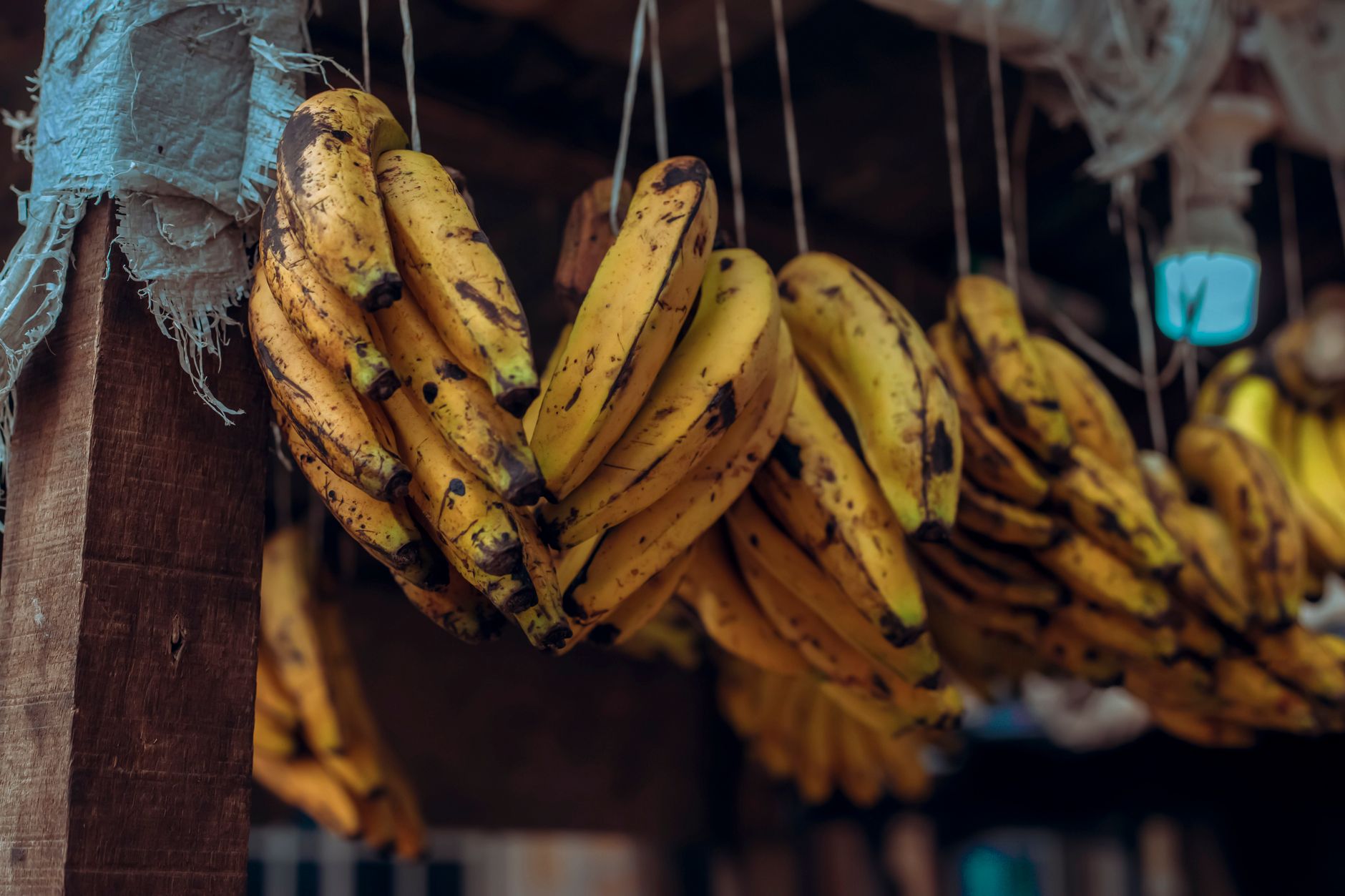
Bananas are one of the most popular fruits globally, enjoyed for their natural sweetness and convenience. Beyond their taste and versatility, many people are curious about their nutritional content, particularly carbohydrate levels. Understanding how many carbs are in a banana can help you make informed dietary choices and plan meals effectively.
In this article, we will explore the carbohydrate content of bananas by serving size, variations in size and ripeness, and provide practical tips for incorporating them into your diet without exceeding your carb goals.
How Many Carbs Does a Banana Have?
The carbohydrate content of a banana largely depends on its size. On average, a medium banana (about 118 grams) contains approximately 27 grams of carbohydrates. This amount can vary slightly based on the ripeness of the fruit and its overall size.
Understanding Carbohydrates in Bananas
Bananas primarily consist of carbohydrates, which can be categorized into sugars and dietary fiber. The main types of carbohydrates found in bananas are:
- Sugars: Bananas contain natural sugars, including glucose, fructose, and sucrose, which provide quick energy.
- Dietary Fiber: The fiber content in bananas is beneficial for digestion and helps regulate blood sugar levels.
Carbohydrate Content by Size
To provide a clearer picture of how many carbs are in a banana, here’s a breakdown by common serving sizes:
| Banana Size | Approximate Weight (grams) | Carbohydrate Content (grams) |
|---|---|---|
| Small (6-7 inches) | 101 | 23 |
| Medium (7-8 inches) | 118 | 27 |
| Large (8-9 inches) | 136 | 31 |
| Extra Large (9 inches and up) | 152 | 35 |
| Mini (4 inches) | 70 | 17 |
Effects of Ripeness on Carbohydrate Content
The stage of ripeness significantly influences the carbohydrate levels in bananas. Younger, greener bananas have a higher starch content, which converts to sugars as the banana ripens. Thus, a fully ripe banana will have higher sugar levels and slightly more carbohydrates than an unripe one. Here’s how ripeness affects the carbohydrate content:
- Green Bananas: Typically lower in sugars, green bananas are rich in resistant starch, which is beneficial for gut health.
- Ripe Bananas: As bananas ripen, the starches turn into simple sugars, resulting in a sweeter fruit with higher sugar levels (and thus higher carbs).
- Overripe Bananas: The sugar content peaks, and they may have slightly more carbs if consumed once fully ripened.
Incorporating Bananas into a Low-Carb Diet
For those following a low-carb diet, bananas can be consumed in moderation. Here are some strategies for including bananas while keeping carbohydrate intake in check:
- Portion Control: Stick to the serving sizes listed above, especially if you are considering smaller fruits.
- Complement with Protein: Pairing bananas with a protein source like nut butter can help stabilize blood sugar levels more effectively.
- Use in Smoothies: Blend half a banana with low-carb ingredients like spinach and unsweetened almond milk for a tasty shake.
Banana Recipes for Every Meal
Bananas are not limited to snacking. Consider incorporating them into meals with these suggestions:
Breakfast Ideas
- Banana Oatmeal: Add sliced bananas to oatmeal for natural sweetness and added nutrients.
- Smoothie Bowl: Top a smoothie bowl with banana slices, nuts, and seeds for a nutritious breakfast.
Snack Options
- Banana with Nut Butter: Sliced bananas with almond or peanut butter make for a satisfying snack.
- Frozen Banana Pops: Dip banana halves in dark chocolate and freeze for a refreshing dessert.
Desserts
- Banana Bread: This classic recipe is perfect for using overripe bananas.
- Banana Pancakes: Blend banana into pancake batter for natural sweetness and flavor.
Practical Tips for Choosing and Storing Bananas
Choosing the right banana and storing it properly can enhance your experience. Here are some practical tips:
Selecting Bananas
- Look for bananas that are firm and free from blemishes.
- Choose based on your consumption timing. If you want immediate consumption, select ripe bananas. For longer storage, opt for greener ones.
Storing Bananas
- Keep bananas at room temperature to allow them to ripen naturally.
- If bananas are getting overripe and you can’t eat them all, consider freezing them for future use in smoothies or baked goods.
- To slow down ripening, separate bananas from other fruits, which produce ethylene gas that accelerates the ripening process.
Banana Health Benefits
Besides being a convenient source of carbohydrates, bananas offer various health benefits:
- Rich in Nutrients: Bananas provide essential vitamins and minerals, including Vitamin C, Vitamin B6, and potassium.
- Supports Digestive Health: The dietary fiber in bananas aids digestion and helps maintain regular bowel movements.
- Energy Boost: The natural sugars in bananas make them an ideal snack for quick energy pre- or post-workout.
Possible Health Concerns
While bananas are generally healthy, they do have some considerations:
- High in Carbs: Those on strict low-carb diets should monitor their banana intake.
- Allergic Reactions: Some individuals may be allergic to bananas, experiencing reactions like itching or swelling.
Common Questions About Bananas
Here are answers to some frequently asked questions regarding bananas and their carbohydrate content:
Are bananas high in carbs?
Bananas are moderate in carbs compared to other fruits and foods. A medium-sized banana contains around 27 grams of carbohydrates, making them suitable for most diets in moderation.
Can I eat bananas on a ketogenic diet?
Bananas may not be ideal for a ketogenic diet because of their higher carbohydrate content. If you are adhering strictly to this diet, limit your intake or replace bananas with lower-carb fruits like berries.
Can dieters eat bananas freely?
Moderate consumption of bananas can fit into many diets. However, those tracking their carbohydrate intake should account for the carbs in bananas when planning their meals.
Summary
Understanding the carbohydrate content in bananas can guide you in making mindful dietary choices. With an average of 27 grams of carbohydrates in a medium banana, they can be enjoyed as part of a balanced diet. Use them in a variety of meals and snacks while being mindful of serving sizes.
To continue your journey into the world of bananas, consider exploring how much fiber is in a banana or learn about where bananas come from. Incorporating bananas thoughtfully into your meals can enhance both flavor and nutrition.