
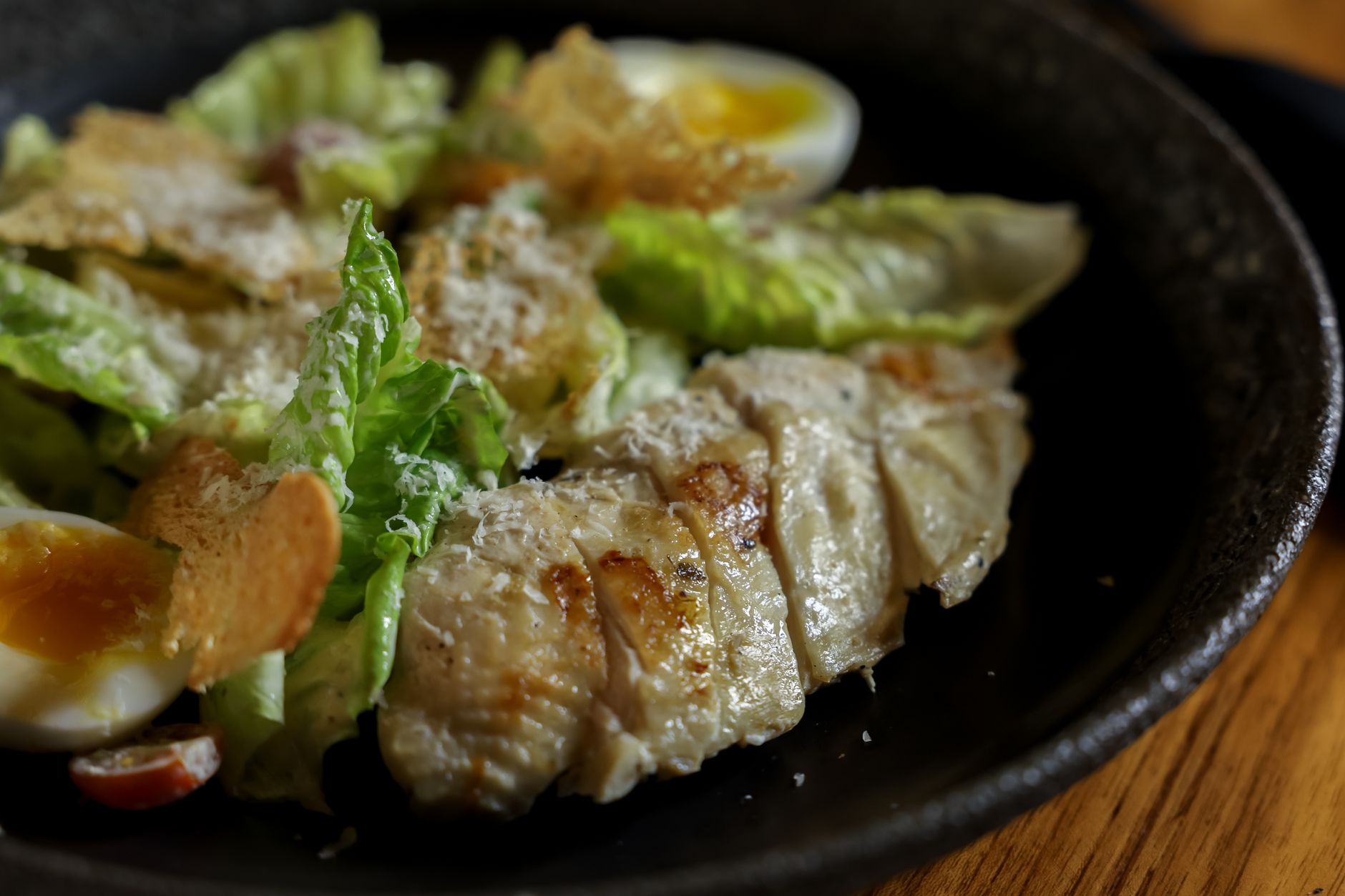
When you’re in a pinch, you might wonder, “Can I boil frozen chicken breast?” The answer is a resounding yes! Boiling frozen chicken breast is a convenient cooking method that can save time while ensuring your meal is ready quickly. This article will discuss the process, provide cooking tips, and address common concerns related to boiling frozen chicken breast.
This method allows you to go from frozen to fully cooked in about 30 to 40 minutes. With the right guidance, boiling frozen chicken will yield tender, juicy meat that you can use in a variety of dishes, making it a versatile option for busy weeknights.
Can I Boil Frozen Chicken Breast?
Yes, boiling frozen chicken breast is safe, effective, and yields delicious results. When boiled, the chicken becomes tender and is ready to be used in various recipes. This method is ideal for cooking when you haven’t planned ahead and need a quick protein option.
Why Boil Frozen Chicken Breast?
Boiling frozen chicken breast has several advantages:
- Convenience: No thawing is required; simply place the frozen chicken directly into boiling water.
- Time-saving: You can have fully cooked chicken ready in about 30 to 40 minutes depending on the size.
- Tender meat: Boiling helps maintain moisture, resulting in juicy, tender chicken.
- Versatility: Use the boiled chicken in various dishes, from salads to soups and casseroles.
How to Boil Frozen Chicken Breast
Boiling frozen chicken breast is straightforward. Here’s a step-by-step guide to ensure perfect results:
What You Need
- Frozen chicken breasts (boneless or bone-in)
- Large pot with a lid
- Water or chicken broth
- Optional seasonings: salt, pepper, garlic powder, onion powder, and herbs
- Food thermometer
Step-by-Step Instructions
- Prepare Your Ingredients: Gather frozen chicken breasts and other ingredients. If using broth, have it measured out ready to go.
- Place Chicken in Pot: Put the frozen chicken breasts in a large pot. It’s fine to stack them, but leave some space for water or broth.
- Add Liquid: Pour in enough water or chicken broth to cover the chicken by at least one inch. This ensures even cooking.
- Season (Optional): If desired, sprinkle seasonings over the chicken. This can enhance the flavor.
- Bring to a Boil: Cover the pot with a lid and bring the liquid to a rolling boil over high heat. This usually takes about 10-15 minutes.
- Reduce Heat: Once boiling, reduce the heat to medium and maintain a gentle boil.
- Cook Chicken: Cook the chicken for about 30-40 minutes, depending on thickness. Ensure that the internal temperature reaches at least 165°F for safe consumption.
- Check Doneness: Use a food thermometer to check the thickest part of the chicken. If it’s at least 165°F, it’s done. If not, boil for additional 5-10 minutes and check again.
- Remove and Cool: Once cooked, carefully remove the chicken from the pot with tongs and let it cool for a few minutes before shredding or slicing.
Common Questions About Boiling Frozen Chicken Breast
How Long Does It Take to Boil Frozen Chicken Breast?
Typically, boiling frozen chicken breast takes around 30 to 40 minutes. However, thicker pieces or bone-in breasts may take longer. Always check for a minimum internal temperature of 165°F.
Can I Season Frozen Chicken Before Boiling?
Yes, you can add seasonings before boiling. However, keep in mind that the flavor may not penetrate as deeply as with thawed chicken. For better flavor infusion, consider adding seasonings to the cooking water.
Is It Better to Boil or Thaw First?
Boiling frozen chicken is convenient and safe, eliminating the need for thawing. However, thawing first can lead to slightly more even cooking and a deeper flavor if you marinate beforehand.
Can I Use the Broth Left After Boiling?
Absolutely! The broth left from boiling chicken is packed with flavor and can be used in soups, stews, or sauces. Just ensure to strain it if you want to remove any particles.
Common Mistakes When Boiling Frozen Chicken Breast
- Forgetting to Check Temperature: Always use a food thermometer to ensure your chicken reaches at least 165°F for safety.
- Not Using Enough Liquid: Ensure that there is enough water or broth to cover the chicken to avoid uneven cooking.
- Boiling at Too High of a Temperature: A gentle boil is ideal; boiling too vigorously may toughen the chicken.
- Rushing the Process: Be patient; if unsure, always cook for a bit longer rather than cutting corners.
Flavor Variations and Serving Suggestions
Boiled chicken breast can take on many different flavors, depending on seasonings, sides, and accompaniments. Here are some variations and ideas:
Flavor Variations
- Mediterranean: Use garlic, lemon, and olives in the broth. Serve with a Greek salad.
- Asian: Add soy sauce, ginger, and green onions to the boiling water. Serve with rice and steamed vegetables.
- BBQ: Season with your favorite BBQ spices before boiling, then shred the chicken and mix with BBQ sauce for sandwiches.
Serving Suggestions
- Shred the chicken and add it to tacos, wraps, or sandwiches.
- Slice and serve over salads or grain bowls for a heartier meal.
- Use the chicken in soups, stews, or pasta dishes for added protein.
Make-Ahead and Storage Tips
If you have leftover boiled chicken, you can store it for later use:
- Refrigeration: Store cooked chicken in an airtight container in the fridge for up to 3-4 days.
- Freezing: For longer storage, freeze boiled chicken in an airtight bag or container. It can last up to 3 months in the freezer.
Reheating Boiled Chicken Breast
To reheat boiled chicken breast, you can:
- Microwave: Place chicken in a microwave-safe dish with a little water. Cover and heat in 30-second intervals until warmed through.
- Stovetop: Add to a skillet over low heat with a splash of broth or water, cooking until heated through.
- Oven: Preheat the oven to 350°F, place chicken in a baking dish, cover with foil, and heat for 20-25 minutes.
Conclusion
Boiling frozen chicken breast is a straightforward and efficient method for getting a delicious protein for your meals. Whether you serve it in tacos, salads, or stir-fries, this technique ensures you can have tender chicken ready to go without the need for thawing. Remember to check the internal temperature to ensure safety and enjoy the variety of flavors you can create.
Explore more cooking tips and recipes that can simplify your meal prep or enhance your kitchen skills. Discover how to use frozen chicken in the crockpot or learn how long to boil asparagus for perfect sides to complement your meals!