
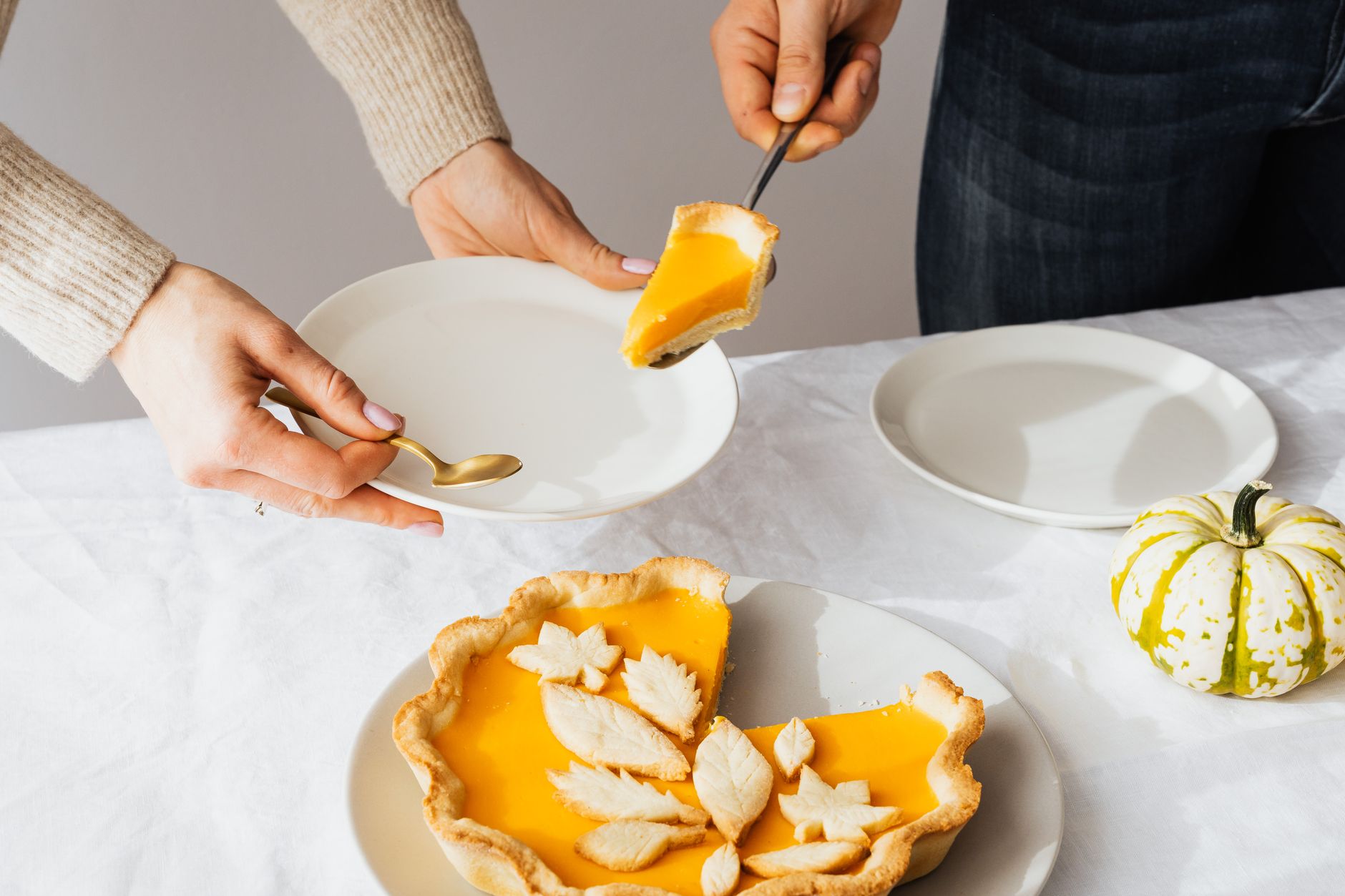
Pumpkin pie is a classic dessert, loved for its rich flavors and creamy texture. However, once you’ve baked or purchased this delicious pie, understanding how long it’s good for and how to store it properly is crucial to ensure its freshness and flavor. In this article, we will explore the shelf life of pumpkin pie, storage tips, and practical advice to keep it tasting its best.
Whether you made a homemade pumpkin pie from scratch or picked one up from the local bakery, it’s essential to know how to handle it after baking. This guide will delve into how long pumpkin pie lasts in various storage conditions—allowing you to enjoy your dessert at its best.
How Long Is Pumpkin Pie Good For?
Pumpkin pie is generally good for up to four days when stored in the refrigerator. If the pie is left at room temperature, it should ideally be consumed within two hours after serving to prevent any food safety risks. Additionally, pumpkin pie can last up to three months if frozen properly. Understanding these timeframes can help manage your consumption and avoid waste.
Storage Guidelines for Pumpkin Pie
Storage is key to prolonging the freshness of pumpkin pie. Here are the best practices for storing your pie:
- Refrigeration: Store your pumpkin pie in the fridge if you plan to eat it within four days. Ensure it’s covered with plastic wrap or aluminum foil to protect it from absorbing odors.
- Room Temperature: If serving at a gathering, pumpkin pie should not be left out for more than two hours. After this time, it should be refrigerated or discarded to prevent spoilage.
- Freezing: For long-term storage, pumpkin pie can be frozen. Wrap it tightly in plastic wrap and then in aluminum foil before placing it in the freezer. Properly wrapped, it can last for up to three months.
Understanding the Ingredients and Their Impact
The ingredients used in pumpkin pie can affect its preservation. A traditional pumpkin pie is made with a filling consisting of pumpkin puree, eggs, sugar, spices, and cream or evaporated milk. Here’s how these elements influence shelf life:
- Pumpkin Puree: This is a key ingredient that adds moisture, which can lead to a shorter shelf life if not stored correctly.
- Eggs: The presence of eggs makes the pie more perishable. Eggs can cause the pie to spoil more quickly if left out at room temperature.
- Dairy Products: Whether you use cream or evaporated milk, the dairy components necessitate refrigeration to prevent bacterial growth.
Signs That Pumpkin Pie Has Gone Bad
Even with proper storage, pumpkin pie can spoil. Here are some common signs to look for:
- Visual Changes: If you see any mold, it’s best to discard the pie immediately.
- Unpleasant Odors: A sour or off smell indicates spoilage; don’t risk tasting it.
- Texture Changes: If the filling appears watery or has separated, it may no longer be safe to eat.
How to Properly Freeze Pumpkin Pie
Freezing is a great way to keep pumpkin pie for an extended period. Here’s a step-by-step guide to freezing your pie:
- Cool the Pie: Ensure the pie is completely cooled to room temperature before wrapping.
- Wrap Tightly: Use plastic wrap to cover the pie tightly. Then wrap it in aluminum foil to protect it from freezer burn.
- Label and Date: Write the date on the foil or use freezer tape to label the pie for reference.
- Freeze: Place the pie in the freezer. Ensure your freezer is at 0°F (-18°C) for optimum preservation.
Defrosting Frozen Pumpkin Pie
When you’re ready to enjoy your frozen pumpkin pie, proper defrosting is crucial to maintain its taste and texture. Here’s how to do it:
- Transfer to Fridge: Move the pie from the freezer to the refrigerator to thaw. This allows for a gradual defrosting that helps maintain the pie’s structure.
- Time Needed: Let it defrost in the refrigerator for about 6 to 8 hours or overnight.
- Reheat (Optional): If you prefer your pumpkin pie warm, you can heat it in the oven at 350°F (175°C) for about 10 to 15 minutes.
Tips for Enjoying Leftover Pumpkin Pie
Leftover pumpkin pie can be delicious if you handle it well. Here are some tips to enjoy it:
- Pairing: Serve with whipped cream, vanilla ice cream, or citrus zest for added flavor.
- Reimagine: Crumbled pumpkin pie can be used as a topping for yogurt or incorporated into a trifle.
- Mini Pies: If you have leftover filling, consider making mini pumpkin pies using pastry shells or phyllo dough.
Common Mistakes to Avoid
Here are a few common pitfalls when it comes to pumpkin pie storage:
- Leaving at Room Temperature: Storing pumpkin pie at warm temperatures can cause rapid spoilage.
- Not Wrapping Correctly: Failing to wrap the pie tightly before freezing can result in freezer burn and loss of quality.
- Ignoring Storage Times: Keep an eye on your pie’s storage time to stay within safety guidelines.
Ingredient Substitutions and Their Effects
Many bakers modify their pumpkin pie recipes for various dietary needs. Here are some common substitutions and how they might affect the final product:
- Dairy-Free Options: Using coconut milk or almond milk can make the pie dairy-free. However, this might alter the creaminess compared to traditional recipes.
- Egg Substitutes: For a vegan option, consider using flaxseed meal (1 tablespoon flaxseed meal + 2.5 tablespoons water = 1 egg). This could result in a denser pie.
- Sweeteners: Replacing sugar with maple syrup or agave can add a unique flavor but adjust the liquid content in your filling; do not overdo the substitutions.
Conclusion and Moving Forward
Understanding the shelf life of pumpkin pie, along with effective storage methods, helps ensure that your homemade or store-bought pie stays delicious and safe to eat. Remember to pay attention to its appearance and aroma, especially when nearing the end of its shelf life. With proper handling, you can enjoy pumpkin pie long past the holiday season!
If you’re interested in related recipes or food guides, feel free to explore our articles on freezing pumpkin pie and understanding pumpkin puree.