
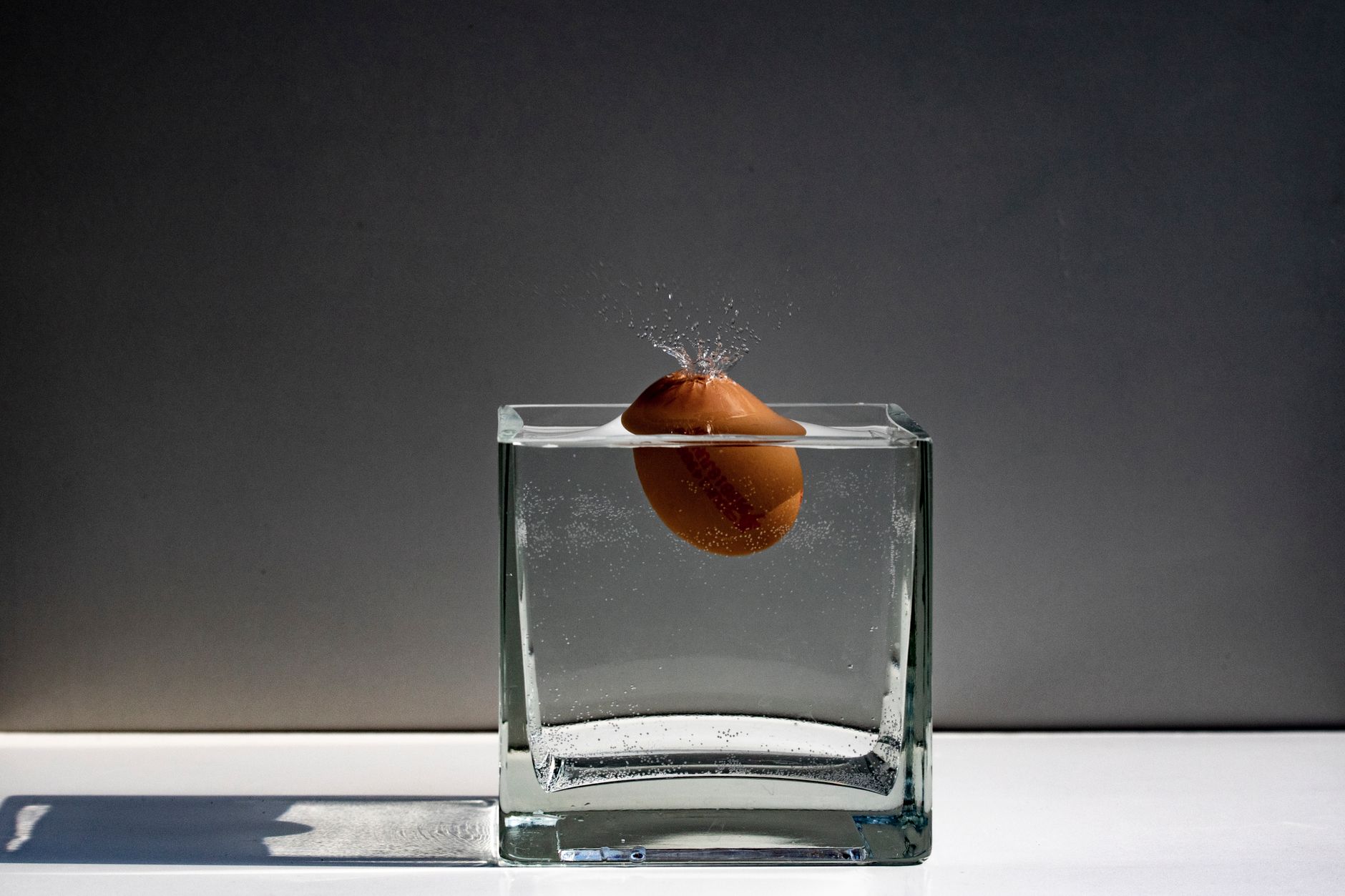
Understanding whether eggs are good or bad is essential for kitchen safety and culinary success. One common method to test an egg’s freshness involves the sink-or-float test. This straightforward technique can prevent potential health risks and enhance your cooking experience.
This article delves into the science behind why bad eggs float, how to effectively use this method, and additional tips on egg storage and safety. Let’s explore the fascinating world of eggs!
Do Bad Eggs Sink Or Float?
Bad eggs float due to the increase in size of the air cell inside the shell. As eggsage, moisture and air seep in, causing a buoyant effect that makes them float in water. If an egg sinks and lays flat on the bottom, it’s fresh and edible; however, if it floats, it’s best to discard it.
The Science Behind Egg Floatation
Egg floatation is directly connected to changes in their internal structure. Understanding this helps clarify why fresh eggs sink while expired ones float. Here’s a deeper look into the process:
Air Cell Formation
Inside an egg, there are two membranes that surround the egg white and yolk, providing a protective barrier. Over time, moisture and air enter the egg through the porous shell. As this air pocket enlarges, the egg becomes less dense.
Fresh vs. Old Eggs
- Fresh Eggs: Have minimal air cells and sink to the bottom of water, lying flat.
- Older Eggs: Develop larger air cells due to moisture loss, causing them to float.
- Bad Eggs: Feel lighter and usually float high in the water, indicating spoilage.
How to Perform the Sink or Float Test
The sink or float test is simple and requires only a bowl of water and the eggs you want to check. Here’s how to conduct it:
- Fill a bowl with water. Use enough water to fully submerge the eggs.
- Gently place the egg in the water. Observe its behavior.
- Assess the results:
- If the egg sinks to the bottom and lies flat, it’s fresh.
- If it sinks but stands upright, it’s still usable but best consumed soon.
- If the egg floats, it’s bad and should be discarded.
Egg Storage Tips
Proper storage is key to extending the shelf life of your eggs and ensuring they remain fresh longer. Here are some practical tips for effective egg storage:
- Refrigeration: Always store eggs in the refrigerator, ideally in their original carton, to maintain moisture and prevent odors from other foods.
- Placement: Keep eggs in the main body of the refrigerator rather than in the door, which can fluctuate in temperature.
- Check Expiration Dates: Always check the sell-by or expiration date on the carton.
- Do Not Wash Eggs: Washing can remove the protective coating on the shell, increasing vulnerability to bacteria.
Common Mistakes and Troubleshooting
While the sink or float test is reliable, there are common pitfalls to be aware of. Here’s what to avoid and how to troubleshoot:
- Trusting Visual Signs Alone: Some eggs may not clear float test but can still be bad. If unsure, crack the egg open and check for off-odors or appearance.
- Overlooking Shell Integrity: A cracked or slimy shell is a clear indicator that the egg should not be used, even if it sinks.
- Ignoring Odors: Always perform a smell test after cracking an egg. A foul smell indicates spoilage.
Egg Shelf Life
Understanding how long eggs can last is crucial for food safety. Here’s a quick guide on egg shelf life:
| Type of Egg | Storage Method | Duration |
|---|---|---|
| Raw Eggs (in shell) | Refrigerated | 3-5 weeks |
| Hard-boiled Eggs | Refrigerated | 1 week |
| Eggs (frozen and cooked) | Freezer | 1 year |
| Raw Egg Whites | Refrigerated | 4 days |
When to Discard Eggs
Ultimately, it’s vital to know when to throw eggs away. Here are signs beyond the sink-or-float test:
- Cracks or Leaks: Discard any eggs with visible cracks or leaks, as they can harbor bacteria.
- Discoloration: Unusual colors or abnormalities in the yolk or egg white can be indications of spoilage.
- Smell Test: Any off-putting odor upon cracking indicates that it is unsafe to consume.
Using Expired Eggs in Cooking
Even with thorough testing, some people may encounter eggs that are nearing their expiration date but still remain safe to eat. Here are tips on how to use them:
- Cooking Thoroughly: Ensure that any eggs nearing expiration are cooked thoroughly to eliminate harmful bacteria.
- In Recipes: Use them in baked goods or recipes where eggs are fully cooked, such as cakes, cookies, or casseroles.
- For Dog Treats: If you have pets, consider using older eggs in their food, but only if you are sure they are still safe.
Egg Substitutions in Cooking
If you’re looking for alternatives to eggs, whether due to dietary restrictions or preferences, here are some practical substitutes:
| Egg Type | Substitute | Usage Notes |
|---|---|---|
| 1 Egg | 1/4 cup unsweetened applesauce | Adds moisture; great for baking. |
| 1 Egg | 1/4 cup mashed banana | Sweeter flavor; ideal for pancakes and muffins. |
| 1 Egg | 2 tablespoons ground flaxseed mixed with 3 tablespoons water | Acts as a binder; perfect for vegan recipes. |
| 1 Egg | 1/4 cup silken tofu | Blend until smooth; suitable for dense recipes. |
Conclusion
Knowing whether bad eggs sink or float is an essential skill for any cook. This simple water test, combined with proper storage and handling practices, will help ensure your ingredients are fresh and safe for consumption. Take time to assess your eggs regularly and use the knowledge shared in this article to improve your cooking experience.
Explore more about egg freshness with our guide on when eggs go bad and learn how long you can keep eggs in the refrigerator at how long can you keep eggs in the refrigerator.