
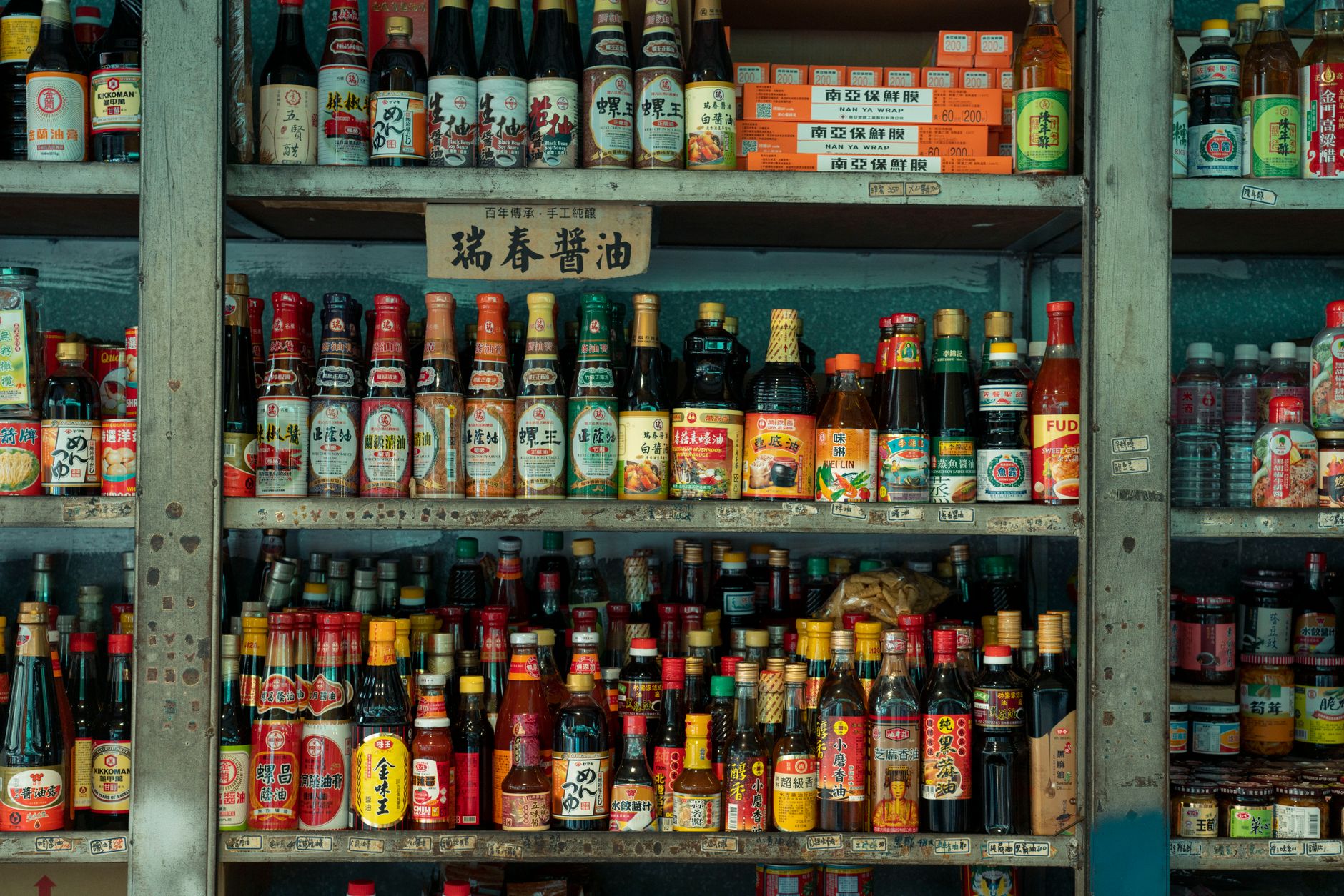
Soy sauce is a staple condiment in many kitchens, prized for its rich umami flavor and versatility in various cuisines. For those following a vegan diet, it’s essential to determine whether soy sauce aligns with their dietary choices.
In this article, we delve into the ingredients, production, and varieties of soy sauce to clarify whether it is vegan-friendly. We’ll also explore common uses and some variations you might consider for your meals.
Is Soy Sauce Vegan?
Yes, most soy sauces are considered vegan as their primary ingredients—soybeans, wheat, and salt—are plant-based. However, it is essential to check specific brands and varieties for any added ingredients that may not be vegan-friendly, such as fish sauce or certain flavor enhancers.
What Ingredients Are in Soy Sauce?
The traditional production of soy sauce involves a few basic ingredients:
- Soybeans
- Wheat
- Salt
- Water
- Optional: Koji mold (Aspergillus oryzae)
These ingredients contribute to the sauce’s dark color and savory depth. However, some brands may add preservatives, flavor enhancers, or colorings, so always read the labels for any non-vegan ingredients.
Types of Soy Sauce
Soy sauce comes in several varieties, and while many are vegan, there are important distinctions to note:
1. Regular Soy Sauce
Also known as all-purpose soy sauce, this is the most common variety found in grocery stores. Made from fermented soybeans and wheat, it is typically vegan-friendly.
2. Tamari
Tamari is a type of soy sauce that is often gluten-free and typically has a richer flavor than regular soy sauce. It is usually made without wheat, making it an excellent choice for those with gluten sensitivities. Most tamari is vegan but check labels to confirm!
3. Dark Soy Sauce
Dark soy sauce is thicker, darker, and slightly sweeter than regular soy sauce. It may contain molasses or caramel coloring. Most brands are vegan, but you should verify the ingredients.
4. Light Soy Sauce
Light soy sauce is thinner, saltier, and used primarily for seasoning. It usually does not have added sugar. Like regular soy sauce, it is typically vegan.
5. Sweet Soy Sauce
Commonly used in Asian cuisines, this sauce, also known as kecap manis, is sweeter due to added sugar or molasses. Always check the ingredients, as some brands might include animal-derived ingredients.
6. Mushroom Soy Sauce
This variation is flavored with mushrooms, lending a unique umami taste. Most mushroom soy sauces are vegan, but always review the ingredients for possible non-vegan additives.
How Is Soy Sauce Made?
The production of soy sauce involves fermentation, a process that transforms soybeans and wheat into a flavorful liquid. Below is a simplified overview of the process:
- Soaking and Steaming: Soybeans are soaked in water and then steamed until cooked.
- Koji Cultivation: The cooked soybeans are mixed with roasted wheat flour and inoculated with koji mold, which begins the fermentation process.
- Brine Fermentation: The koji mixture is then combined with a brine solution (water and salt) and allowed to ferment for several months or even years, developing its complex flavors.
- Pressing: After fermentation, the mixture is pressed to separate the liquid soy sauce from the solids.
- Pasteurization: The liquid is then pasteurized to kill any remaining microorganisms and enhance flavor.
- Bottling: Finally, the soy sauce is filtered and bottled for retail.
Each step plays a crucial role in developing the final flavor and aroma of soy sauce.
Potential Non-Vegan Ingredients to Watch For
While the primary ingredients of soy sauce are plant-based, it’s important to be mindful of potential non-vegan additives:
- Fish Sauce: Some varieties may use fish sauce for added flavor; this is rare in soy sauce but can occur in specialty products.
- Flavor Enhancers: Ingredients like monosodium glutamate (MSG) or other flavor enhancers may be derived from animal sources.
- Coloring Agents: Caramel color is often vegan, but verify with the manufacturer to be sure.
To be safe, always read labels carefully and research brands if you have concerns.
How to Use Soy Sauce in Cooking
Soy sauce enhances the flavor of various dishes. Here are some common uses:
- Stir-Fries: Soy sauce adds depth to stir-fried vegetables, tofu, or meats.
- Dips and Marinades: Use soy sauce as a base for marinades or dipping sauces, combining it with garlic, ginger, or sesame oil.
- Soups and Stocks: Incorporate soy sauce into broths for a savory kick.
- Salad Dressings: Combine soy sauce with vinegar, oil, and seasonings for an umami-rich dressing.
- Rice and Noodles: Drizzle soy sauce over steamed rice or noodles for extra flavor.
Substitutions for Soy Sauce
If you find yourself without soy sauce or need a soy-free option, consider these alternatives:
- Tamari: A gluten-free option that provides a similar flavor profile.
- Coconut Aminos: A soy-free alternative made from coconut sap, sweeter and less salty than soy sauce.
- Worcestershire Sauce: Use sparingly for a different flavor; verify that the brand is vegan.
- Homemade Soy Sauce Substitute: Combine 1 tablespoon of balsamic vinegar, ½ tablespoon of water, a pinch of garlic powder, and a touch of sugar to mimic soy sauce.
Be aware that substitutions may alter the final taste and saltiness of your dish.
Common Mistakes When Using Soy Sauce
Using soy sauce effectively can elevate your dishes, but some common pitfalls to avoid include:
- Overusing: Soy sauce is salty. Be mindful of how much you add to prevent overpowering your dish.
- Poor Storage: Store soy sauce in a cool, dark place; refrigerate after opening to maintain quality.
- Skipping Quality Brands: Not all soy sauces are created equal. Choose brands that use traditional fermentation for the best flavor.
Storage Tips for Soy Sauce
To preserve the flavor and extend the shelf life of soy sauce, follow these guidelines:
- Keep soy sauce in a cool, dark place, away from heat sources.
- After opening, refrigerated soy sauce can last for up to six months without a noticeable taste change.
- Unopened soy sauce can last indefinitely if stored properly.
Final Thoughts on Soy Sauce and Veganism
In summary, soy sauce is generally vegan, provided it does not contain fish or animal-derived flavor enhancers. Its rich flavor makes it a versatile ingredient in many cuisines, and understanding its production and various types can enhance your culinary experience.
To explore more about how soy sauce is made, visit this guide. If you’re looking for alternatives to soy sauce for your recipes, you can learn more about substitutes here.