
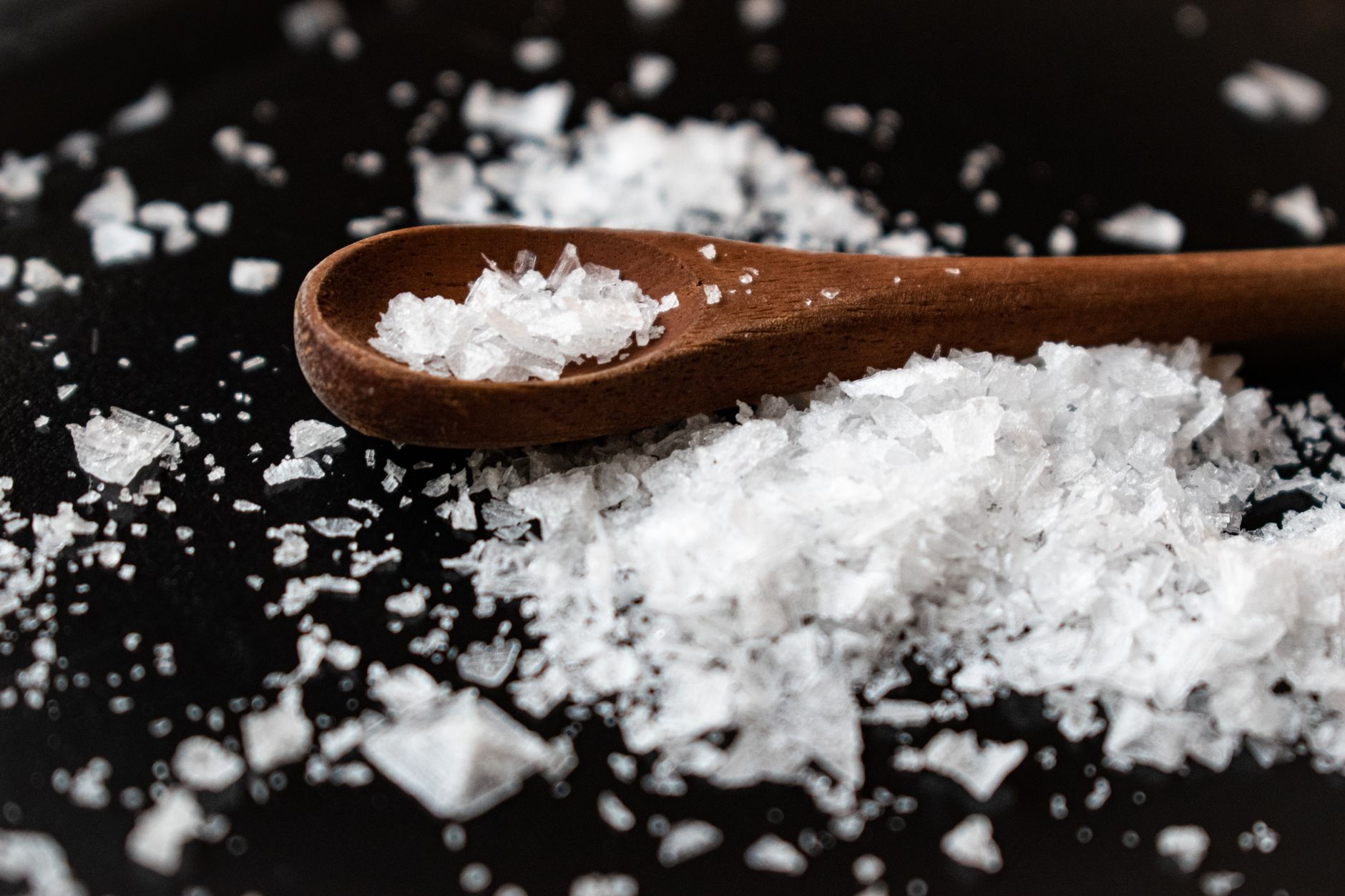
Kosher salt is a kitchen staple that lends flavor and texture to many dishes. While the name suggests a direct relationship to Jewish dietary laws, the term “kosher” in reference to salt actually highlights its unique qualities. Understanding what makes salt kosher can help you make better culinary choices and expand your cooking repertoire.
This article explores the characteristics of kosher salt, its uses, and why it’s preferred by many chefs and home cooks alike. We’ll dive into the nuances between kosher salt and other types of salt and address common questions surrounding kosher salt’s role in culinary practices.
What Makes Salt Kosher?
Kosher salt is defined by its texture and use in the koshering process rather than its source or content. It has larger, coarser crystals than table salt, which makes it effective for drawing blood out of meat, thus adhering to kosher laws. The name itself doesn’t indicate that the salt is produced through a special kosher process; rather, it’s the intended use that aligns with kosher practices.
The History and Cultural Significance of Kosher Salt
Kosher laws, derived from Jewish religious texts, dictate specific rules regarding food preparation and consumption. The use of kosher salt became prominent because of its efficiency in koshering meat. By removing blood, which is forbidden in Jewish dietary laws, kosher salt helps ensure compliance with these guidelines.
The salt’s roots stretch back centuries, and its coarser grains are particularly well-suited for the task, providing a tactile means to observe the koshering process. Though many may associate kosher salt with Jewish cooking, it is widely used across various cuisines for its unique properties and flavor-enhancing capabilities.
Characteristics of Kosher Salt
Texture and Size
The primary distinction of kosher salt is its texture. The larger crystals provide a more substantial mouthfeel and allow for easy handling during cooking and seasoning. This coarse grain size is why it’s effective in the koshering process, as it can easily draw out moisture from meat.
Flavor Profile
Kosher salt has a clean flavor with no additives, unlike table salt that often contains anti-caking agents or iodine. This pure taste enhances the natural flavors of food without overshadowing them, making it a favorite among chefs. It is less salty by volume due to its larger grains, which translates to a different measurement on a teaspoon compared to table salt.
Moisture Content
Kosher salt offers a unique range of moisture absorption compared to other salts. Its crystalline structure can hold onto moisture, aiding in effective seasoning while still allowing dishes to remain dry. This quality makes it highly versatile in both seasoning and cooking techniques.
Common Uses for Kosher Salt
Seasoning
Due to its size and texture, kosher salt is easier to pinch, control, and distribute evenly over food surfaces. Many cooks prefer it for seasoning meats, vegetables, and soups throughout the cooking process.
Brining
Kosher salt is a popular choice for brining due to its effective moisture retention and flavor enhancement properties. Use it in solution with water and various seasonings to ensure juicy, flavorful results in meats and poultry.
Pickling
The larger crystals make kosher salt a favored ingredient in pickling recipes, where the salt helps draw out moisture from vegetables, intensifying flavors and preserving freshness.
Finishing Touch
Sprinkling kosher salt over completed dishes offers both visual appeal and an added burst of flavor. The crystalline texture creates a satisfying crunch that enhances dishes like steak or roasted vegetables.
Kosher Salt vs. Table Salt vs. Sea Salt
Kosher Salt
- Coarse, flaky texture
- Effective for koshering meat due to larger grain size
- Pure flavor, often with no additives
Table Salt
- Finely granulated texture
- Often contains anti-caking agents and iodine
- Salty flavor may dominate dishes if used in excess
Sea Salt
- Derived from evaporated seawater, often considered more natural
- Can come in fine or coarse textures depending on processing
- May have trace minerals that can alter flavor
How to Measure Kosher Salt
When substituting kosher salt for table salt, keep in mind the difference in grain size. Kosher salt’s larger crystals mean that a teaspoon of kosher salt is less salty than a teaspoon of table salt. As a general rule, when substituting kosher salt for table salt, double the amount. For instance, if a recipe calls for 1 teaspoon of table salt, use about 2 teaspoons of kosher salt. Always taste and adjust seasonings to preference as finishing salt.
Practical Tips for Cooking with Kosher Salt
- Start with less salt and gradually add more; it’s easier to add salt than to take it away.
- Always taste as you cook; flavors intensify with slow cooking and can be different with different ingredients.
- When using recipes, ensure you confirm which type of salt is being referenced—particularly with older cookbooks, as they may not always specify.
Common Mistakes to Avoid
Even experienced cooks can stumble when using kosher salt. Here are common pitfalls to avoid:
- Using an incorrect measurement. As mentioned, kosher salt may require a different amount compared to table salt. Always adjust based on grain size.
- Assuming all kosher salts are the same. Brands can differ in grain size and texture. Taste and adjust based on your preferences.
- Neglecting to season early. For maximum flavor, season food at various stages of cooking rather than only at the end.
Storage and Shelf Life of Kosher Salt
Kosher salt does not go bad in the traditional sense as it is a mineral. However, it’s best stored in a dry, cool place to maintain its quality. A sealed container is ideal to prevent it from absorbing moisture or odors from the surrounding environment. When stored properly, kosher salt can last indefinitely, making it a worthy pantry staple.
Possible Substitutions for Kosher Salt
If you find yourself in a pinch and don’t have kosher salt on hand, here are some reliable substitutions:
- Table salt: Use about half the amount of kosher salt in recipes due to its finer grain size. Use 1/2 teaspoon of table salt for every teaspoon of kosher salt.
- Sea salt: Depending on the brand, you may use an equal measurement, but it’s best to start lower and adjust to taste.
- Fleur de sel or Maldon salt: These specialty finishing salts can be used in place of kosher salt, particularly for garnishing dishes.
Keep in mind that different salts have varying flavor profiles, so adjustments may be necessary to customize your dish.
Exploring Other Types of Salt
Understanding the unique properties of various salts can enhance your cooking skills and deepen your appreciation for flavor nuances. Here are some salts worth exploring:
Himalayan Pink Salt
A popular finishing salt, this salt is known for its light pink hue due to its mineral content. It offers a slightly sweet flavor and works wonderfully in various applications, from grilling to baking.
Smoked Sea Salt
Infused with the natural flavors of smoke, this salt adds depth to dishes. Use it as a finishing salt to elevate roasted vegetables, meats, or even popcorn.
Recipes Using Kosher Salt
Making the most of kosher salt can elevate your cooking. Here are two recipes where kosher salt plays a pivotal role:
Brined Chicken
- 1 whole chicken (about 4-5 pounds)
- 1/2 cup kosher salt
- 1/2 cup sugar (optional)
- Flavorings (herbs, spices, garlic, lemon – optional)
- Water (enough to submerge the chicken)
- In a large pot, combine kosher salt, sugar, and any additional flavorings with water. Heat until dissolved.
- Cool the brine completely and submerge the chicken, ensuring it is fully covered.
- Brine for 4 to 12 hours in the refrigerator before roasting.
Pickled Vegetables
- 4 cups mixed vegetables (cucumbers, carrots, radishes, etc.)
- 1/4 cup kosher salt
- 1 cup vinegar (white or apple cider)
- 1 cup water
- Spices (peppercorns, dill, garlic – optional)
- In a bowl, combine mixed vegetables and kosher salt, allowing them to rest for about 30 minutes to draw out moisture.
- Combine vinegar, water, and spices in a pot and bring to a boil to create the pickling brine.
- Pack vegetables into sterilized jars and pour hot brine over to submerge them fully.
- Seal the jars and refrigerate for at least 24 hours before enjoying.
Final Thoughts
The versatility and unique properties of kosher salt make it an indispensable ingredient in any modern kitchen. Whether brining meats, pickling vegetables, or simply seasoning dishes, understanding what makes kosher salt special can elevate your culinary skills. Experiment with different types of salt to find what works best for your cooking style, and remember to adjust measurements as needed for optimal flavor.
To get started, try brining chicken or creating delicious pickled vegetables! Explore more savory recipes like salt potatoes or discover techniques to use spices with pickling spice for enhanced flavor in your dishes.