
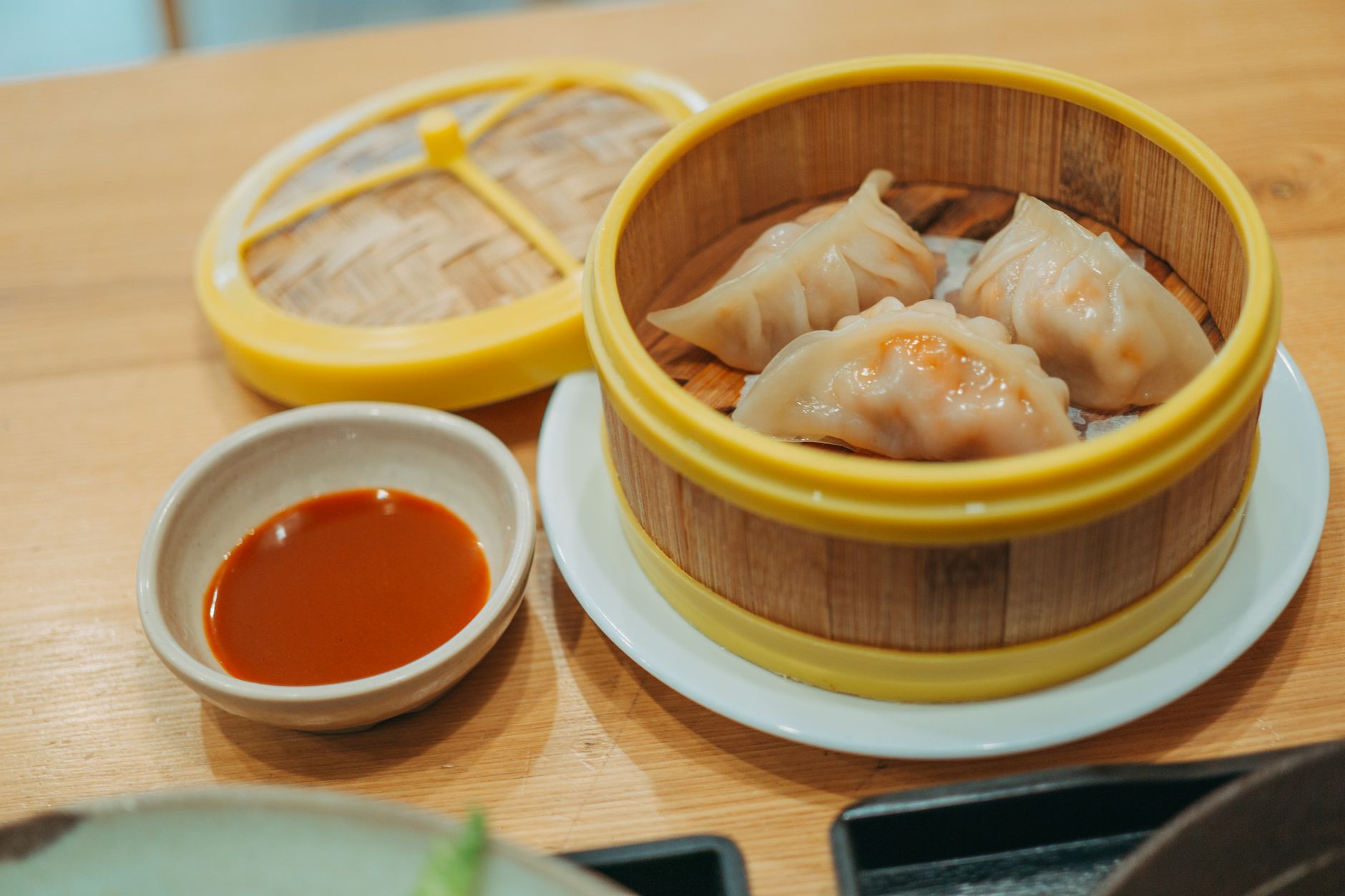
Dumplings are a diverse and versatile category of food that can be found in various cuisines around the world. They typically consist of small pieces of dough that can be filled with a variety of ingredients, from meats and vegetables to sweets, and are usually cooked by boiling, steaming, frying, or baking.
The diversity of dumpling types means there are countless variations in flavor, texture, and preparation methods, making them a favorite across many culinary traditions. This article will delve into what dumplings are, their history, methods of preparation, and some popular recipes. We will also explore different types of dumplings and how to incorporate them into your everyday meals.
What Are Dumplings?
Dumplings refer to a broad category of food items made up of a small amount of dough, often wrapped around filling or simply formed into a ball. Depending on the region, dumplings can be sweet or savory and may be served as appetizers, main dishes, or desserts. Their texture can range from soft and chewy to crispy and flaky.
The History of Dumplings
Dumplings have a long and rich history that can be traced back thousands of years. While the exact origin is difficult to pinpoint, it is believed that dumplings originated in China, likely as a means of preserving food and maximizing the use of ingredients.
Over time, dumplings spread throughout Asia and beyond, each culture adapting the concept to incorporate local flavors and ingredients. From Italian ravioli to Polish pierogi and Japanese gyoza, dumplings have evolved to reflect regional tastes, customs, and culinary techniques.
Types of Dumplings
The world of dumplings is extensive, with various types categorized by dough composition, cooking method, and filling. Here are just a few popular types:
- Asian Dumplings: Includes jiaozi, gyoza, dim sum, and bao. Typically filled with ground meats, vegetables, and seasonings, they can be steamed, boiled, or pan-fried.
- European Dumplings: Includes pierogi from Poland, gnocchi from Italy, and spaetzle from Germany. These dumplings may be filled or unfilled and are often made from potatoes, flour, or bread.
- Latin American Dumplings: Such as empanadas and arepas. These dumplings often feature savory fillings like meats and cheeses and can be baked or fried.
- African Dumplings: Includes injera, a sourdough flatbread that can act as a dumpling. Additionally, fried dumplings called “bunny chow” feature curried fillings in hollowed-out bread.
- Sweet Dumplings: Found in various cultures, such as Asian tangyuan or sweet potato dumplings, these often contain fruit or sweet sesame paste and are typically served in sweet syrup.
Cooking Techniques for Dumplings
Dumplings can be prepared through various cooking methods, each imparting different flavors and textures. Here are the most common techniques:
Boiling
Boiling is one of the simplest methods for cooking dumplings. This method ensures that the dumpling dough becomes tender and the filling is heated thoroughly.
- Bring a large pot of salted water to a gentle boil.
- Gently add dumplings, being careful not to overcrowd the pot.
- Cook until they float to the surface, usually about 4-7 minutes depending on size.
- Remove with a slotted spoon and serve with sauce or garnish.
Steaming
Steaming dumplings preserves moisture and yields a silky texture. It is commonly used for Asian dumplings.
- Arrange dumplings in a steamer basket lined with parchment paper to prevent sticking.
- Steam over simmering water for approximately 10-15 minutes, or until fully cooked.
- Serve immediately with dipping sauce.
Frying
Fried dumplings offer a crispy exterior and a soft filling, making this method particularly popular for gyoza and potstickers.
- Heat a skillet with oil over medium-high heat.
- Add dumplings in a single layer and fry until the bottom is golden brown, about 3-4 minutes.
- Add a splash of water to the pan and cover to steam for an additional 5 minutes.
- Remove the lid and allow excess moisture to evaporate, frying for another minute if necessary.
Baking
Baking is a less common method for dumplings, but it can yield a unique flavor and texture, especially with dough-based dumplings like empanadas.
- Preheat the oven to 375°F (190°C).
- Arrange dumplings on a baking sheet lined with parchment paper.
- Brush with an egg wash or sprinkle with melted butter to achieve a golden crust.
- Bake for 20-25 minutes, or until golden and cooked through.
Popular Dumpling Recipes
Here are a couple of simple dumpling recipes that you can try at home.
Classic Pork Dumplings
Yield: 30 dumplings
Preparation time: 30 minutes
Cooking time: 10 minutes
Total time: 40 minutes
Ingredients
- 1 lb ground pork
- 1 cup minced cabbage
- 1/4 cup finely chopped scallions
- 2 teaspoons minced ginger
- 2 cloves garlic, minced
- 2 tablespoons soy sauce
- 1 tablespoon sesame oil
- Dumpling wrappers (store-bought)
- Water for sealing
Instructions
- In a bowl, combine the ground pork, cabbage, scallions, ginger, garlic, soy sauce, and sesame oil. Mix until well combined.
- Place a dumpling wrapper in your hand and scoop about a tablespoon of filling onto the center.
- Dampen the edges with water, fold the wrapper in half, and pinch the edges to seal.
- Repeat with remaining wrappers and filling.
- Boil a large pot of water and gently add the dumplings. Cook until they float, about 4-5 minutes.
- Remove with a slotted spoon and serve with dipping sauce.
Vegetable Gyoza
Yield: 20 gyoza
Preparation time: 25 minutes
Cooking time: 10 minutes
Total time: 35 minutes
Ingredients
- 1 cup finely chopped mushrooms
- 1 cup shredded cabbage
- 1/2 cup grated carrot
- 2 teaspoons minced ginger
- 2 cloves garlic, minced
- 2 tablespoons soy sauce
- 1 tablespoon sesame oil
- Gyoza wrappers
- Oil for frying
Instructions
- In a pan, heat a little oil and sauté the mushrooms, cabbage, carrot, ginger, and garlic until softened, about 5-7 minutes.
- Add soy sauce and sesame oil; stir to combine and remove from heat.
- Prepare gyoza wrappers by placing about a tablespoon of filling in the center.
- Dampen the edges with water, fold in half, and pinch to seal.
- Heat a skillet over medium heat and add oil. Fry the gyoza until crispy and golden on the bottom.
- Add water to the pan and cover to steam for 5 minutes, then remove the lid to allow any remaining water to evaporate.
Substitutions and Variations
Customization is part of what makes dumplings delightful. Here are some substitutions and variations to consider:
- Meat Substitutions: Ground turkey or chicken can be used instead of pork in savory dumplings. For vegetarian options, replace meat with tofu or mushrooms.
- Gluten-Free Options: For a gluten-free option, use rice flour or chickpea flour to make dumpling wrappers.
- Flavor Additions: Experiment with spices and herbs such as cilantro, basil, or chili for added flavor in your filling.
- Cooking Methods: You can steam or pan-fry any dumpling recipe for different textures and flavors.
Common Mistakes and Troubleshooting
Making dumplings can sometimes be tricky. Here are some pitfalls to avoid and tips for a successful outcome:
- Sealing: Ensure that the edges of your dumpling are sealed properly. Applying water helps the dough to adhere, preventing leaks during cooking.
- Overfilling: Using too much filling can cause the dumplings to burst while cooking. Aim for about a tablespoon of filling per dumpling.
- Cooking Times: Overcooking dumplings can result in a mushy texture while undercooking can lead to raw filling. Always keep an eye on cooking times.
- Storage: If you’ve made a large batch of dumplings, they can be frozen. Place uncooked dumplings on a parchment-lined baking sheet, freeze until solid, and then transfer to a freezer bag.
Serving Suggestions for Dumplings
Dumplings can be enjoyed in a variety of ways. Here are some ideas for serving:
- Pair dumplings with dipping sauces such as soy sauce, chili oil, or vinegar sauce for added flavor.
- Serve dumplings alongside steamed rice or noodles for a complete meal.
- Incorporate dumplings into soups for a hearty and comforting dish.
- Garnish with fresh herbs, green onions, or sesame seeds to enhance presentation.
How to Store and Reheat Dumplings
Proper storage will help maintain the quality of your dumplings:
- Refrigeration: Store cooked dumplings in an airtight container in the refrigerator for up to 3 days.
- Freezing: Uncooked dumplings can be frozen for up to 3 months. For cooked dumplings, freeze for 1-2 months for the best texture.
- Reheating: To reheat, steam or pan-fry dumplings directly from the freezer without thawing, adding a few extra minutes to the cooking time.
Dumplings are a timeless food that provides a wonderful canvas for creativity and flavors. They are perfect for casual gatherings, dinners, and even special occasions. Whether you’re enjoying them boiled, fried, or steamed, dumplings can be a satisfying addition to any meal.
Next time you’re in the kitchen, consider experimenting with dumpling recipes or incorporating them into your meal planning. For a delightful accompaniment, try making dumpling dipping sauce or indulge in a cozy chicken and dumplings recipe.